Introduction
Dried cherries are the tart red cherry of the Indian dry fruit shelf, the small dark fruit that turns a trail mix ruby red and studs a muffin. They taste sweet and sour at once and carry the sugar to match, so the honest question is whether they earn their price as a health food. This guide covers the dried cherries benefits that matter most, the potassium and vitamin A numbers told honestly, the sleep and gout stories with both views, and the five best dishes.
In this article
- The short answer
- What dried cherries actually are
- Dried cherries in numbers
- 10 benefits worth knowing
- The sleep story, honestly
- Tart versus sweet versus karonda
- Five everyday ways to use them
- Buying and storing dried cherries
- 5 expert tips
- Common mistakes to avoid
- Frequently asked questions
- Conclusion
The Short Answer
The dried cherries benefits that matter most are potassium, vitamin A and anthocyanins, in a dried fruit that needs no cooking at all. A 100 g portion of sweetened dried tart cherries gives about 376 mg of potassium and 141 mcg of vitamin A for about 333 kcal, and a small handful of 30 g gives about 100 kcal and 113 mg of potassium. Dried cherries are sugar dense, about 67.2 g of sugars per 100 g, so a small handful a day is the portion.
What Dried Cherries Actually Are
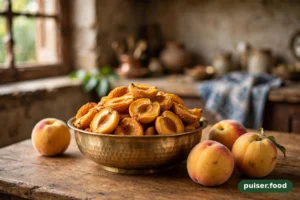
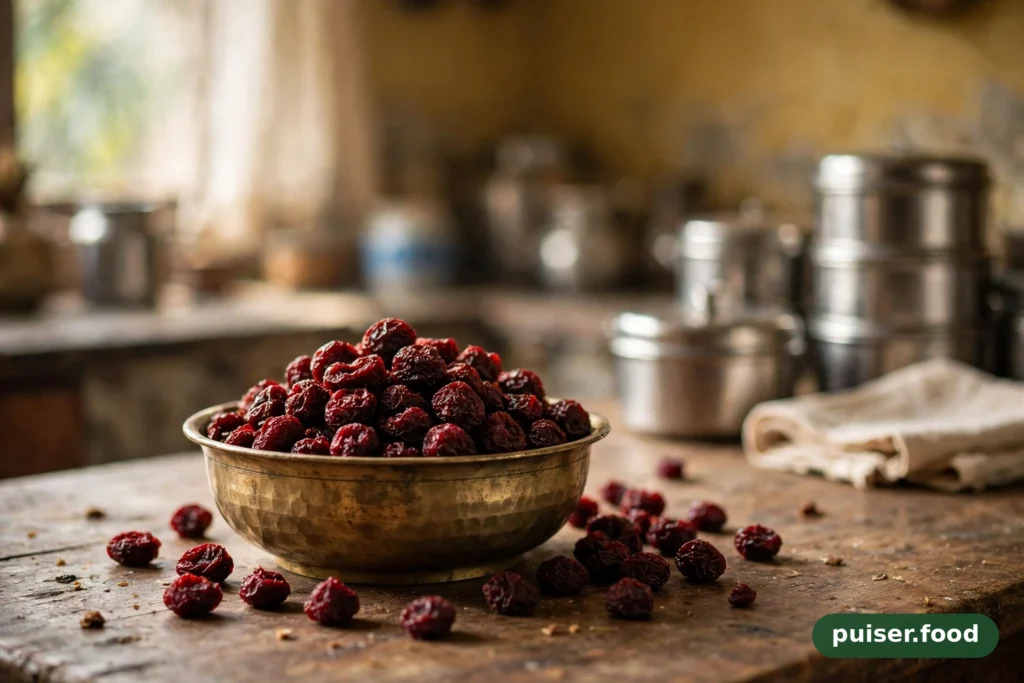
Dried cherries are the dried fruit of Prunus cerasus, the tart cherry, of which Montmorency is the best known variety, or of Prunus avium, the sweet cherry, of which Bing and Rainier are the best known. The two are different species, and the difference matters, because the tart cherry is the one used in the sleep, gout and recovery trials, while the sweet cherry is the one sold most often as a snack. Most dried cherries sold in India are sweetened, dried in a sugar solution until they turn soft, dark red and chewy, and they keep for months without a fridge. India imports nearly all its dried cherries, and the fruit holds a growing place in Indian kitchens, in trail mixes, in oats and in baking.
That dried cherries carry potassium and vitamin A with their sugar is the first thing to understand, because it is what separates a cherry from a sweet, and it is where the dried cherries benefits start. A cherry gives natural sugars with potassium, vitamin A and anthocyanins attached, and the potassium supports a healthy diet, the vitamin A supports eyes and immunity, and the fruit still tastes like a sweet and sour candy, so dried cherries work as a snack and a garnish at once.
Dried cherries are also the fruit of the trail mix and the baking tray, in the oats of a winter morning and in the muffin of a Sunday bake. Our dried cranberries benefits guide covers the tart red berry of the same shelf, the one to reach for when the question is cranberry rather than cherry. Our dried blueberries benefits guide covers the small blue berry with the most fibre of the series, the one to reach for when the question is blueberry rather than cherry.
Dried Cherries in Numbers
The table below sets out the dried cherries benefits in numbers, and it uses one basis throughout. The figures are from USDA FoodData Central, FDC #171708, for cherries, tart, dried, sweetened, per 100 g. The potassium figure, 376 mg per 100 g, is the one that matters most, and it puts dried cherries ahead of cranberries on potassium.
| Nutrient (per 100 g) | Amount |
|---|---|
| Energy | 333 kcal |
| Protein | 1.25 g |
| Fat | 0.73 g |
| Carbohydrates | 80.45 g |
| Fibre | 2.5 g |
| Sugars | 67.15 g |
| Sodium | 13 mg |
| Calcium | 38 mg |
| Iron | 0.68 mg |
| Magnesium | 22 mg |
| Potassium | 376 mg |
| Vitamin C | 19.3 mg |
| Vitamin A (RAE) | 141 mcg |
| Beta-carotene | 1,700 mcg |
| Lutein + zeaxanthin | 173 mcg |
| Folate | 11 mcg |
| Vitamin B6 | 0.101 mg |
| Thiamin | 0.058 mg |
| Riboflavin | 0.101 mg |
| Niacin | 0.867 mg |
| Zinc | 0.25 mg |
| Choline | 14.7 mg |
The portion table below turns those 100 g figures into handfuls people actually eat. A 30 g handful is about two tablespoons, and it is the portion this guide uses everywhere, because a whole 100 g pack is a lot of sugar for one sitting. The USDA serving is a quarter cup, 40 g, which gives 133 kcal and 1.0 g of fibre.
| Portion | Energy | Fibre | Sugars | Potassium |
|---|---|---|---|---|
| 30 g handful (2 tbsp) | 100 kcal | 0.75 g | 20.1 g | 113 mg |
| 40 g, 1/4 cup (USDA serving) | 133 kcal | 1.0 g | 26.9 g | 150 mg |
| 100 g | 333 kcal | 2.5 g | 67.15 g | 376 mg |
The comparison table below puts dried cherries beside cranberries and raisins, on the four numbers that matter most. Cherries carry the most potassium after raisins and the middle fibre figure, while raisins carry far more potassium and iron, and cranberries carry the most sugar.
| Per 100 g | Dried cherries | Dried cranberries | Raisins |
|---|---|---|---|
| Fibre | 2.5 g | 5.3 g | 3.7 g |
| Sugars | 67.15 g | 72.6 g | 59.2 g |
| Potassium | 376 mg | 49 mg | 749 mg |
| Iron | 0.68 mg | 0.39 mg | 1.88 mg |
10 Benefits Worth Knowing
Here are the ten dried cherries benefits worth knowing, in the order a home cook would care about them. Each one is tied to a number from the tables above or to a study named in the text.
1. Potassium that counts
The first of the dried cherries benefits is the potassium, 376 mg per 100 g, which is far more than cranberries at 49 mg and about half of raisins at 749 mg. A 30 g handful gives 113 mg of potassium, a useful share in a food that needs no cooking, and potassium helps the body balance fluids and supports healthy blood pressure as part of a whole diet.
2. Vitamin A and beta-carotene
Dried tart cherries carry 141 mcg of vitamin A per 100 g, with 1,700 mcg of beta-carotene behind it, which is a real vitamin A figure for a dried fruit. Vitamin A supports eyesight and the immune system, and beta-carotene is the plant form the body turns into vitamin A as it needs it. A 30 g handful gives about 42 mcg of vitamin A, a small but real share of the day.
3. Melatonin and the sleep story
Montmorency tart cherries contain melatonin, the hormone that signals the body it is time to sleep, at about 13.46 ng per gram, a tiny dose next to a sleep tablet, and the trials behind the sleep story used juice or concentrate, not dried berries. The full story, with the trial sizes and the trials that found nothing, is in the sleep section below, and the short version is that the story is promising, small and mixed. A handful of dried cherries in the evening is a pleasant snack, not a sleep medicine.
4. The gout finding with real numbers
In 2012, researchers at Boston University followed 633 people with gout and found that cherry intake over a two day period was linked with a 35 percent lower risk of a gout attack, and the risk fell by 75 percent when cherries were eaten along with the gout drug allopurinol. The study used fresh cherries and cherry extract, not dried cherries, and it was observational, so it shows a link rather than proof. Dried cherries are the same fruit, but the trial dose was fresh, so the honest version is that cherries may help gout.
5. Faster recovery after hard exercise
A 2021 review of 14 trials found that tart cherry juice, concentrate or powder helped muscle strength recover faster after hard exercise, in runners, cyclists and team sports players. The trials used juice, concentrate or powder, not dried whole cherries, and the doses were larger than a handful, so the dried cherry is not the trial food, but a small handful after a workout is a reasonable snack.
6. Anthocyanins, the red pigment
Anthocyanins are the pigments that make a tart cherry dark red, and they are the compounds behind most of the research on this fruit. They are antioxidants, which help the body deal with the oxidative stress of everyday life, and they are the reason tart cherries are studied for inflammation. Drying keeps the anthocyanins largely intact, so a dried cherry keeps the pigment that makes the fresh fruit worth eating.
7. Vitamin C for the day
Dried cherries carry 19.3 mg of vitamin C per 100 g, about half of the Indian recommended intake of 40 mg a day. A 30 g handful gives 5.8 mg, about a seventh of the day’s need, and that vitamin C does real work, supporting the immune system and helping the body make collagen for skin and gums. It also helps the body absorb iron from dal and greens, which matters in a mostly vegetarian Indian kitchen.
8. Lutein and zeaxanthin for the eyes
Dried tart cherries carry 173 mcg of lutein and zeaxanthin per 100 g, the two pigments that gather in the retina and help protect the eyes from bright light. The amount is small next to spinach or kale, but it is a real figure for a dried fruit. A small handful a day adds a little of both to a diet that already has greens, and the effect is slow, the kind that shows over years rather than days.
9. A sweet with almost no fat and little salt
Dried cherries carry only 0.73 g of fat and 13 mg of sodium per 100 g, which is almost nothing of either, and that makes them a rare sweet that adds no fat and little salt to the day. Most packaged sweets carry fat and salt along with their sugar, so a sweet that is nearly free of both is a small but real advantage for people watching either. The fruit is still sugar dense, so the portion has to stay small.
10. A small handful that satisfies a sweet and sour craving
A 30 g handful gives about 100 kcal and 0.75 g of fibre, and the tartness means the eating is slower than with a sweet fruit, because the sour edge asks for a pause between berries. The chew and the sweet and sour flavour satisfy a craving for longer than a biscuit of the same calories, and the portion is easy to measure, two tablespoons in a small bowl.
The Sleep Story, Honestly
The sleep story is the part of the dried cherries benefits that makes the cherries cost what they do, so it deserves a straight telling. In 2012, researchers at Northumbria University gave 30 mL of Montmorency cherry concentrate twice a day for seven days to 20 healthy adults. Their total sleep rose by about 34 minutes, their sleep efficiency improved, and the melatonin in their urine rose by about 17 percent. The study was small, 20 people, and it used concentrate, not dried berries.
Two other small trials point the same way. In 2010, 15 older adults with insomnia drank tart cherry juice for two weeks, and they spent less time awake after falling asleep, though the authors called the effects modest, much smaller than sleeping tablets or talking therapy. In 2018, eight older adults with insomnia drank tart cherry juice for two weeks, and their sleep rose by 84 minutes on lab recording, though the trial was part funded by a cherry industry body. Two larger and longer trials found no effect at all, one with 44 adults over 30 days and one with 34 adults over 14 days, and a 2025 review of seven trials found only three reported better sleep.
The melatonin dose is the weak point. Tart cherries contain about 13.46 ng of melatonin per gram, about 1.3 mcg in a 100 g pack, a tiny dose next to the 0.5 to 5 mg in a sleep tablet, and the researchers themselves point to tryptophan availability as the likelier mechanism, because cherries also carry tryptophan, the building block the body uses to make its own melatonin. No sleep trial has tested dried whole cherries, and none has shown that a handful a day cures insomnia. The honest version is that tart cherry juice may help some people sleep a little better, the evidence is small and mixed, and dried cherries are a pleasant evening snack.
Tart Versus Sweet Versus Karonda
The dried cherries benefits do not change much between whole and chopped cherries, because the fruit is the same, but they change a lot between tart and sweet, and between cherry and karonda. Tart cherries, Montmorency above all, are the researched kind, the ones in the sleep, gout and recovery trials, and they are sour enough that they are almost always sweetened. Sweet cherries, Bing and Rainier above all, are the snacking kind, sweeter and softer, and they are the ones most Indian packs hold, so check the label for tart or Montmorency.
Karonda is the trap on the Indian shelf. Karonda, Carissa carandas, is a small sour Indian fruit that is often candied and sold as cherry, and it is a different fruit entirely, with none of the cherry research behind it. A pack that says cherry but lists karonda is not a cherry pack, and a pack of bright red candied balls is usually karonda, not cherry. Dried cherries are dark red and soft.
Juice sweetened packs sit in the middle. They are sweetened with apple or grape juice concentrate instead of cane sugar, and the label can look kinder, but their sugars are nearly the same as the sugar sweetened kind, about 67 g per 100 g. Freeze dried cherries are a different product again. They are light, crisp and keep most of their vitamin C, because freeze drying uses cold instead of heat, but they cost far more per 100 g and crush easily, so they suit a smoothie or a garnish better than a trail mix. Check for pits too, because some dried cherries are sold unpitted, and a pit in a muffin is a broken tooth waiting to happen.
Five Everyday Ways to Use Them
The dried cherries benefits show up best in five everyday dishes, each one using a small handful rather than a bowlful, and each portion below is for one serving, with the cherries at 30 g or less.
1. Trail mix with walnuts and dark chocolate
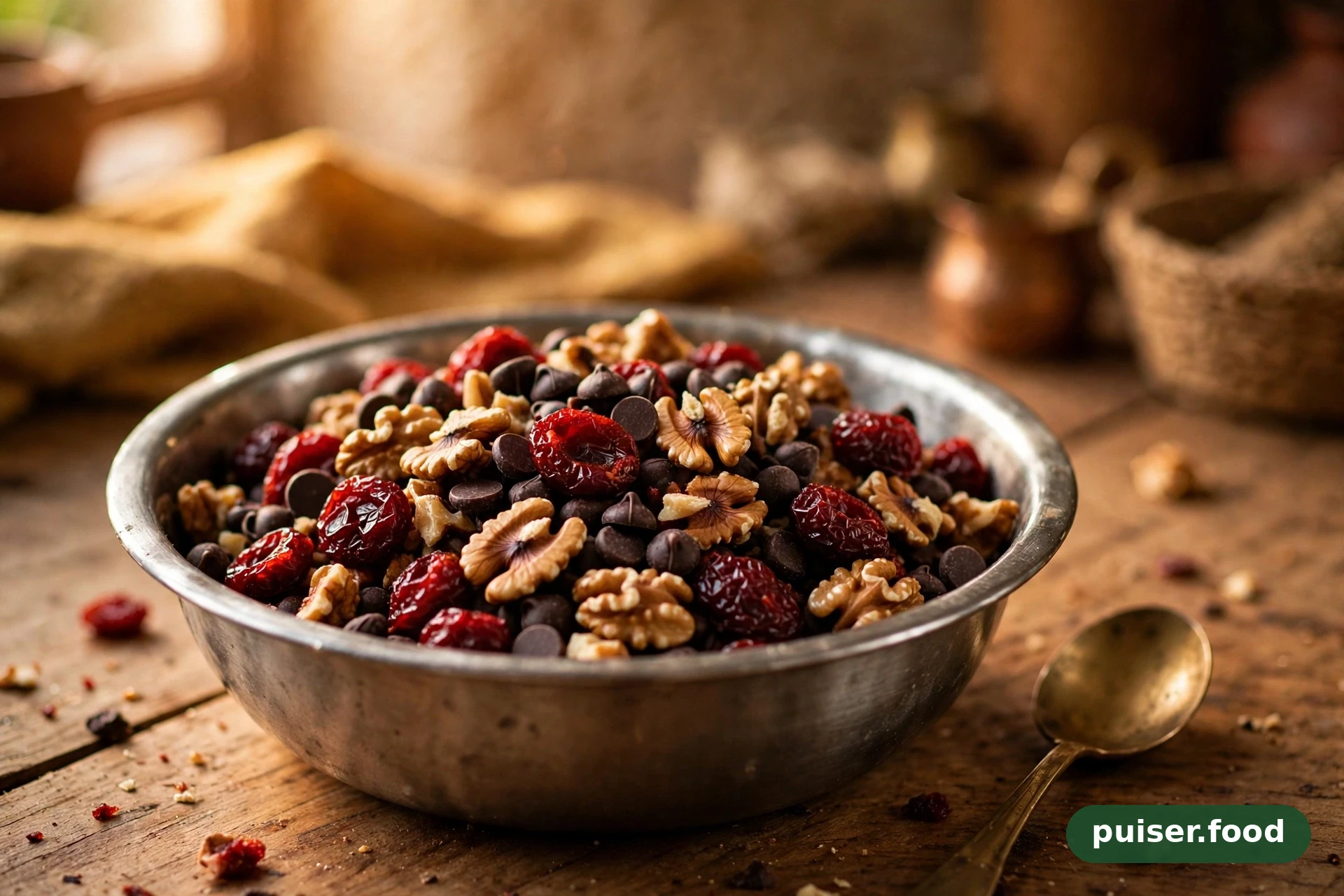
Mix 30 g of dried cherries with a handful of walnuts and a few dark chocolate chips, and the mix travels well in a small box. The cherries give the sweet and sour note, the walnuts give the crunch and the fats, and the chocolate gives the treat, so the mix feels like a dessert and eats like a snack. Our walnuts benefits guide covers the nut that makes this snack filling rather than just sweet.
2. Oats porridge
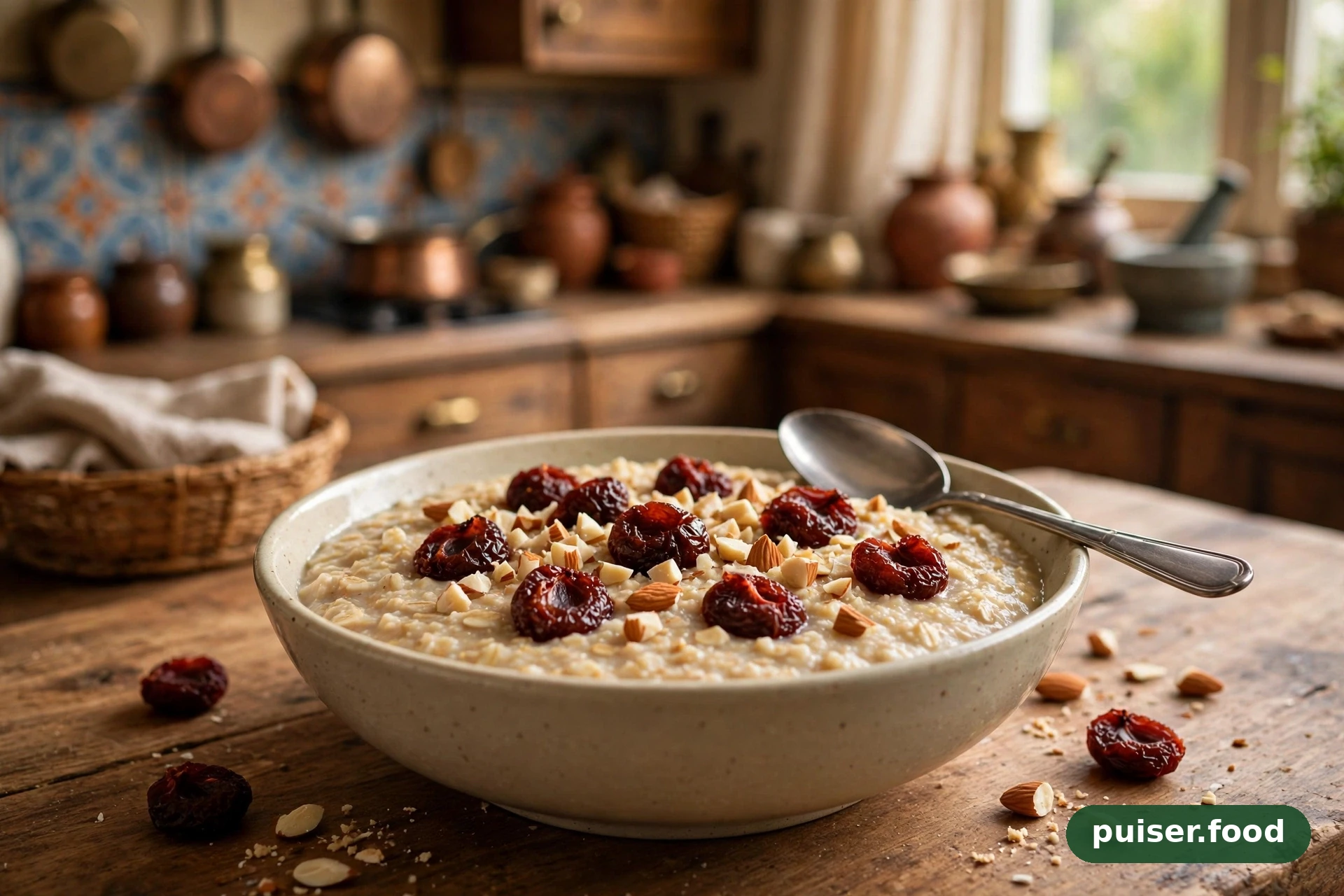
Stir 30 g of dried cherries into a bowl of oats cooked in milk, with a pinch of cinnamon and no extra sugar, and the cherries soften in the heat and turn the oats a soft pink. The fibre of the oats makes up for the low fibre of the cherries, and the bowl needs no jaggery or honey. This is the breakfast where dried cherries earn their keep.
3. Curd bowl with honey
Spoon 30 g of dried cherries over a bowl of thick curd with a teaspoon of honey and a few chopped almonds. The curd gives the protein, the cherries give the sweetness and the vitamin C, and the almonds give the crunch. The vitamin C in the cherries helps the body absorb iron from the rest of the day’s dal, and the bowl works as a light lunch or an evening snack.
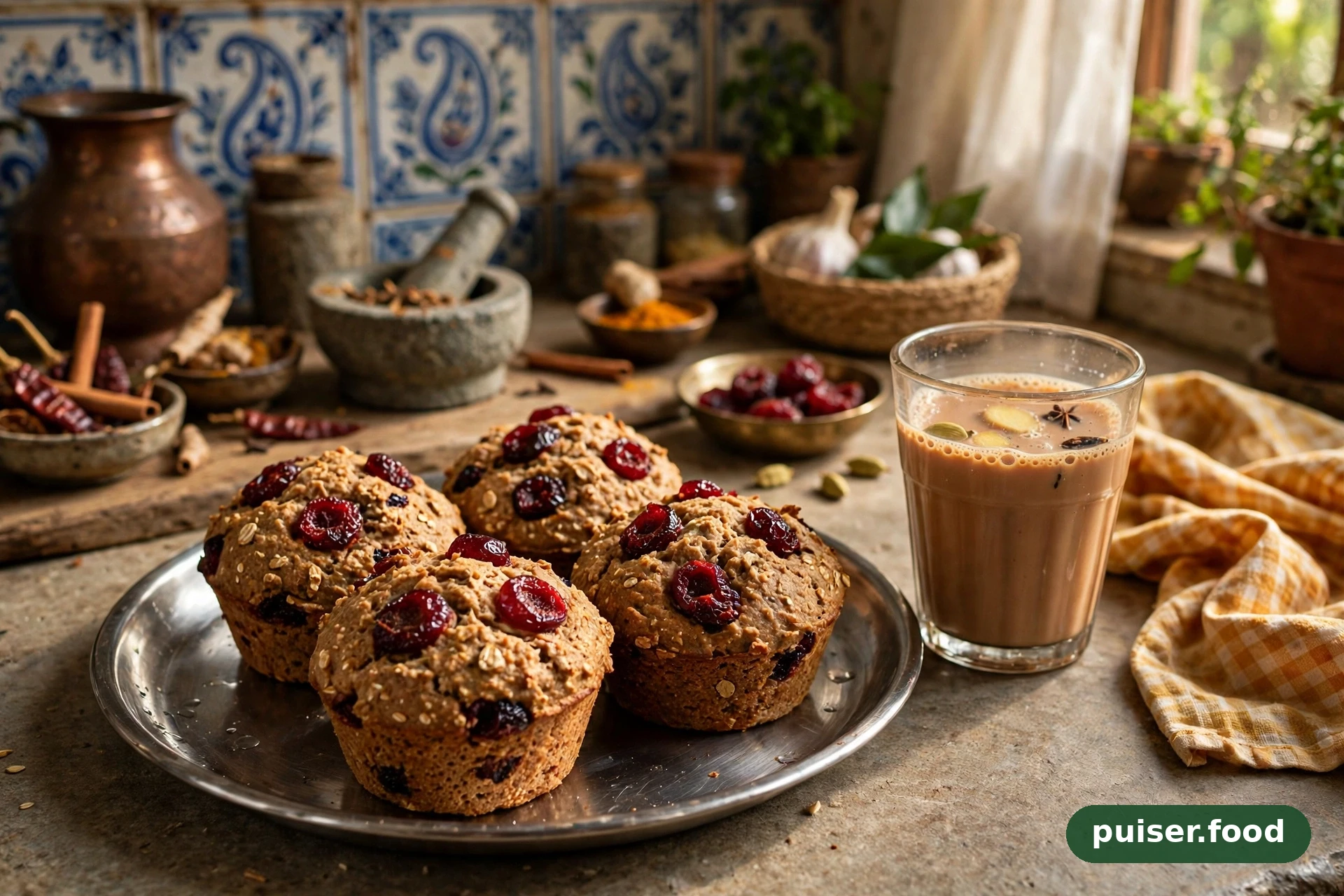
4. Whole wheat cherry muffins
Fold 60 g of dried cherries, chopped small, into a batch of six whole wheat muffins, with the cherries tossed in a spoon of flour first so they do not sink, and bake as usual. The cherries soften in the oven and give each muffin a burst of sweet and sour flavour without extra sugar in the batter, and a muffin made this way beats a bakery muffin. Soak the cherries in warm water for ten minutes first if they are very dry, so they plump up before baking.
5. Green salad with paneer and walnuts
Toss 30 g of dried cherries into a salad of greens, cucumber, crumbled paneer and chopped walnuts, with a lemon and olive oil dressing. The cherries give the salad a sweet and sour note against the salt of the paneer. The fruit works in a salad the way cranberries do, as a small sweet contrast.
Buying and Storing Dried Cherries
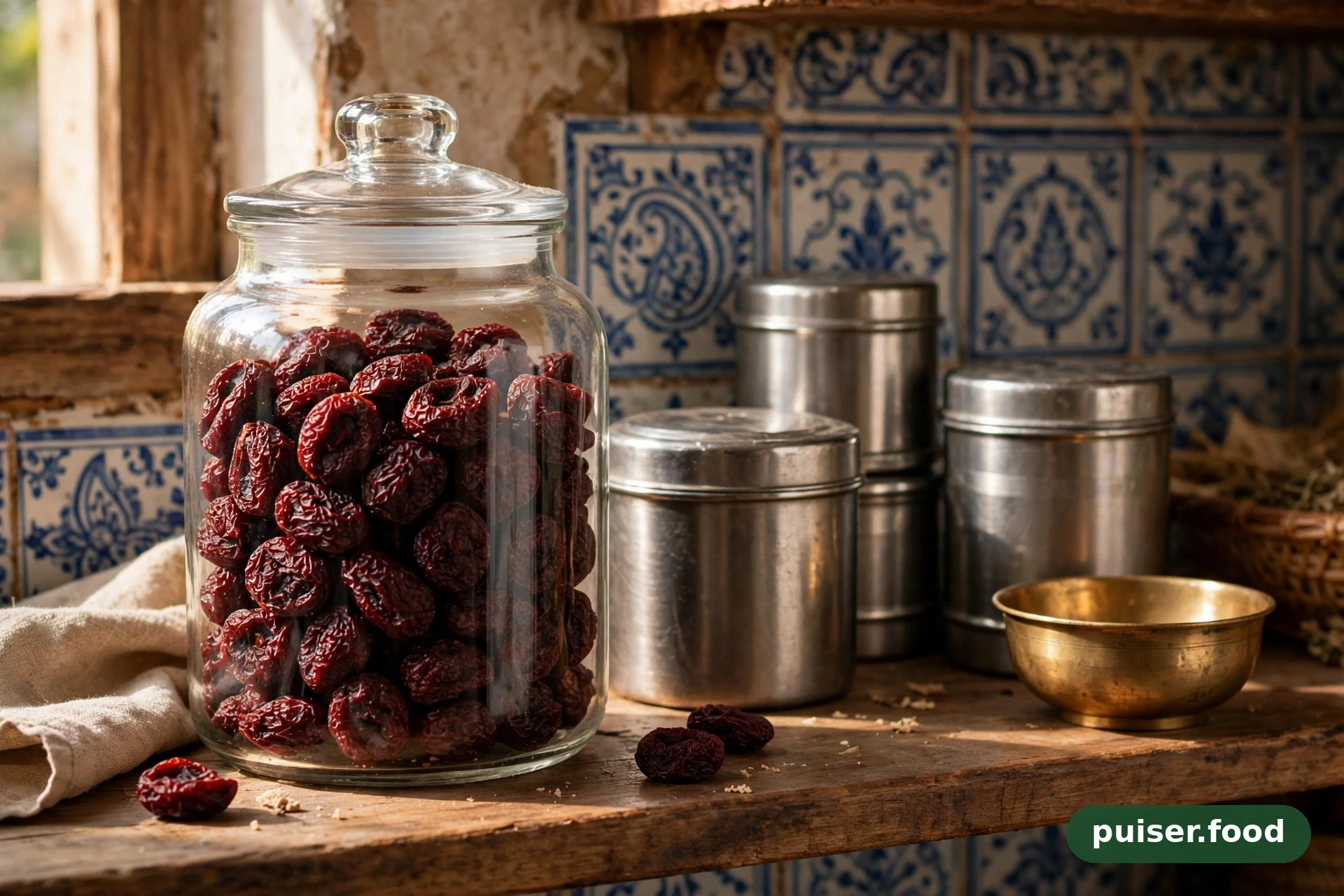
The dried cherries benefits survive or die on the label, so buy by the label, not by the price alone. The ingredients list should read cherries and sugar, in that order, and a pack that lists karonda is not a cherry pack at all. Tart or Montmorency on the label means the researched kind, and a deep dark red colour means the cherries were dried well. The market range for a 250 g pack runs from about ₹250 to about ₹400, so a pack at ₹295 sits in the honest middle of the range.
Store dried cherries in an airtight jar in a cool, dark place, where they keep for about six months, or in the fridge, where they keep for about a year. Their sugars attract moisture, so a pack left open in a humid kitchen will turn sticky and clump, and in summer the fridge is safer once the pack is opened. Throw the cherries away if they smell sour, taste fermented or show mould. A 250 g pack at ₹295 works out to about ₹35 for a 30 g handful, less than a cutting chai, and it is worth measuring rather than eating from the pack.
5 Expert Tips
1. Soak before baking. Soak dried cherries in warm water for ten minutes before folding them into a batter, so they plump up instead of drying the cake out.
2. Chop before folding in. Chop dried cherries small before adding them to a muffin or cake batter, so every bite gets cherry and the fruit does not sink.
3. Pair with walnuts in the evening. Eat dried cherries with walnuts in the evening, because walnuts carry tryptophan too, and the pair fits the sleep story better than cherries alone.
4. Buy tart for the research, sweet for snacking. Buy tart or Montmorency cherries when the research is what you are after, and sweet cherries when the snack is what you are after.
5. Measure the handful. Measure two tablespoons into a small bowl and put the pack away, because a handful eaten from the pack is usually two, and the sugar adds up fast.
Common Mistakes to Avoid
Expecting sleep from a handful. The commonest mistake is eating a handful of dried cherries and expecting to sleep like a baby, when the trials used juice or concentrate for one to two weeks. Dried cherries are a pleasant evening snack.
Buying karonda as cherry. Some packs labelled cherry hold karonda, a different fruit with none of the cherry research behind it. Check the ingredients list, and if it reads karonda, put it back.
Eating by the bowlful. A whole bowl of dried cherries is about 100 g and 67 g of sugars, more sugar than a soft drink, and the low fibre means the sugars arrive fast.
Storing in the open pack. A pack left open in a humid kitchen turns sticky, clumps and can ferment. Move the cherries to an airtight jar on the day the pack is opened.
Forgetting the pits. Some dried cherries are sold unpitted, and a pit in a muffin or a salad is a broken tooth waiting to happen. Check the pack for the word pitted.
Frequently Asked Questions
What are the main dried cherries benefits?
The main dried cherries benefits are potassium, vitamin A and anthocyanins, with a melatonin sleep story that is promising but small. A 100 g portion gives about 376 mg of potassium and 141 mcg of vitamin A for about 333 kcal. A small handful gives about 113 mg of potassium.
How many dried cherries should I eat in a day?
A small handful of dried cherries a day, about 30 g or two tablespoons, is a sensible portion for most adults. That gives about 100 kcal and 113 mg of potassium. Eat them in a trail mix, salad or oats, rather than by the bowlful.
Do dried cherries help you sleep?
Dried cherries may help you sleep, because tart cherries contain melatonin and small trials of cherry juice found better sleep. The trials used juice or concentrate, not dried cherries, and two larger trials found no effect. They are promising, not proven.
Do dried cherries help with gout?
Dried cherries may help with gout, because a 2012 study of 633 gout patients found cherry intake over two days linked with a 35 percent lower risk of attacks. The study used fresh cherries and extract, not dried. They do not replace gout medicine, so ask your own doctor.
Are dried cherries good for diabetes?
Dried cherries are sugar dense, about 67.2 g of sugars per 100 g, so a small handful has a real effect on blood sugar. The fibre is low, only 2.5 g per 100 g, so the sugars arrive fast. People with diabetes should count cherries as the sweet of the meal and ask their own doctor.
Are dried cherries good for the heart?
Dried cherries may help the heart, because their potassium and anthocyanins support a healthy diet, and potassium helps the body balance fluids. The benefit comes from the whole diet, not from one fruit. Dried cherries do not treat heart disease, so keep the portion small.
Do dried cherries help with constipation?
Dried cherries help only a little with constipation, because their fibre is low, only 2.5 g per 100 g, and a small handful gives just 0.75 g. They add some bulk to the stool, but prunes and dates are far better for this. Eat cherries for their potassium and flavour, not for fibre.
Are dried cherries better than raisins?
Dried cherries carry more potassium than cranberries but less than raisins, about 376 mg against 749 mg per 100 g, and they carry vitamin A that raisins barely have. Raisins carry more fibre and iron, about 3.7 g and 1.88 mg against 2.5 g and 0.68 mg. Cherries carry more sugar, so the choice depends on what the meal needs.
What is the difference between tart and sweet dried cherries?
Tart cherries, Montmorency above all, are the sour kind used in the sleep, gout and recovery trials, while sweet cherries, Bing and Rainier above all, are the snacking kind. Tart cherries are almost always sweetened when dried. Check the label for the word tart or Montmorency if the research matters to you.
How do I store dried cherries?
Dried cherries keep for about six months in an airtight jar in a cool, dark place, or about a year in the fridge, because their sugars attract moisture and the fruit can ferment in heat. Store them in the fridge once opened in summer. Throw the cherries away if they smell sour or show mould.
Conclusion
The dried cherries benefits are real, and they are simple: potassium that counts, vitamin A that most dried fruits lack, and anthocyanins that make the cherry worth studying, with a sleep and gout story that is promising but small. The catch is just as simple, 67.2 g of sugars per 100 g, so the portion is a small handful, not a bowlful. Buy a tart cherry pack, check the label for karonda, measure two tablespoons, and the cherries earn their place in the jar.
Disclaimer: This article is for general information only and is not medical advice. If you have gout, insomnia, diabetes, or any health condition, talk to your doctor before changing your diet.