Introduction
Dried cranberries are the tart red berry of the Indian trail mix, the small, sweet-sour fruit that brightens a salad, studs a cookie and sits in the oats of a winter morning. They taste like candy and carry the sugar to match, so the honest question is whether they earn their place as a health food or only as a sweet. This guide covers the dried cranberries benefits that matter most, the fibre and PAC numbers told honestly, the UTI question with both views, and the five dishes where dried cranberries work best.
In this article
- The short answer
- What dried cranberries actually are
- Dried cranberries in numbers
- 10 benefits worth knowing
- The UTI story, honestly
- Whole versus sliced versus unsweetened
- Five everyday ways to use them
- Buying and storing dried cranberries
- 5 expert tips
- Common mistakes to avoid
- Frequently asked questions
- Conclusion
The Short Answer
The dried cranberries benefits that matter most are fibre, antioxidants and a unique compound called proanthocyanidin, or PAC, in a dried fruit that needs no cooking at all. A 100 g portion of sweetened dried cranberries gives about 5.3 g of fibre for about 308 kcal, and a small handful of 30 g gives about 92 kcal and 1.6 g of fibre. Dried cranberries are sugar dense, about 73 g of sugars per 100 g, so a small handful a day is the portion, and they suit the trail mix, the salad and the cookie best.
What Dried Cranberries Actually Are
Dried cranberries, called karonda in some Indian markets though the true karonda is a different fruit, are the dried berries of Vaccinium macrocarpon, the North American cranberry, a small red fruit grown in bogs across the northern United States and Canada. The fresh berry is so tart that almost no one eats it raw, so the berries are dried in a sugar solution until they turn soft, dark red and chewy, and they keep for months without a fridge. India imports nearly all its dried cranberries from the United States, and the fruit holds a growing place in Indian kitchens, in trail mixes, in salads, in oats and in the baking of Christmas cakes.
That dried cranberries carry fibre and PACs with their sugar is the first thing to understand, because it is what separates a cranberry from a sweet, and it is where the dried cranberries benefits start. A cranberry gives natural sugars with fibre, antioxidants and PACs attached, and the fibre slows the digestion a little, the PACs are the compounds behind the urinary tract story, and the fruit still tastes like candy, which is why dried cranberries work as a snack and a garnish at once.
Dried cranberries are also the fruit of the salad bowl and the cookie jar, in the green salad of a lunch, in the trail mix of a train journey, in the oats of a winter morning, and in the plum cake of December. Our raisins benefits guide covers the small sweet fruit of the kheer, the one to reach for when the question is kishmish rather than cranberry. Our dates benefits guide covers the other sweet dried fruit of the same shelf, the one to reach for when the question is khajur rather than cranberry.
Dried Cranberries in Numbers
The table below sets out the dried cranberries benefits in numbers, and it uses one basis throughout. The figures are from USDA FoodData Central, FDC #171723, for cranberries, dried, sweetened, per 100 g, and they are the figures this guide uses throughout. The sugar figure, 72.6 g per 100 g, is the one that matters most, and it is the figure that separates dried cranberries from every other dried fruit in this series, so it can be checked two ways.
| Nutrient (per 100 g sweetened dried cranberries) | Dried Cranberries |
|---|---|
| Energy | 308 kcal |
| Protein | 0.2 g |
| Fat | 1.1 g |
| Carbohydrates | 82.8 g |
| Dietary fibre | 5.3 g |
| Sugars | 72.6 g |
| Calcium | 9 mg |
| Iron | 0.39 mg |
| Magnesium | 4 mg |
| Phosphorus | 8 mg |
| Potassium | 49 mg |
| Sodium | 5 mg |
| Vitamin C | 0.2 mg |
| Vitamin A, RAE | 2 mcg |
| Vitamin B6 | 0.038 mg |
| Lutein + zeaxanthin | 138 mcg |
Figures per USDA FoodData Central FDC #171723, cranberries, dried, sweetened, per 100 g. The fibre, 5.3 g per 100 g, is a useful amount for a dried fruit, and a portion of 30 g gives about 1.6 g, which is a small share of the 30 g of fibre a day that adults are advised to eat. The vitamin C, 0.2 mg per 100 g, is effectively zero, and this guide says so plainly below, because dried cranberries are often sold as a vitamin C food and the number does not support the claim.
The second table shows what a real portion gives you. A small handful, about 30 g or two tablespoons, gives about 92 kcal and 21.8 g of sugars, which is a sensible daily portion. A 40 g portion, a quarter cup and the USDA serving size, gives about 123 kcal and 29 g of sugars, which is about 7 teaspoons of sugar, and that is why the handful is the portion and the bowl is not.
| Portion | Energy | Sugars | Fibre | Price, at 295 rupees per 250 g |
|---|---|---|---|---|
| 100 g dried cranberries | 308 kcal | 72.6 g | 5.3 g | About 118 rupees |
| 1 small handful, about 30 g | About 92 kcal | About 21.8 g | About 1.6 g | About 35 rupees |
| 1/4 cup, about 40 g | About 123 kcal | About 29.0 g | About 2.1 g | About 47 rupees |
| 1 tbsp, about 15 g | About 46 kcal | About 10.9 g | About 0.8 g | About 18 rupees |
Figures per USDA FDC #171723, scaled to the portion. Prices are worked out from dried cranberries at 295 rupees for 250 g, about 118 rupees per 100 g, so a small handful costs about 35 rupees and a 250 g pack gives about eight handfuls. Fresh cranberries, by contrast, give only about 46 kcal and 4.0 g of sugars per 100 g, with 4.6 g of fibre and 13.3 mg of vitamin C, which shows how much the sweetening changes the fruit.
The third table compares dried cranberries with the other sweet dried fruits of the Indian kitchen. Cranberries carry the most sugar and the least potassium of the table, and no other dried fruit in it is as sweet. Raisins carry more potassium and iron, dates carry more fibre and potassium, and prunes carry more fibre and far less sugar.
| Food, per 100 g | Energy | Sugars | Fibre | Potassium | Best use |
|---|---|---|---|---|---|
| Dried cranberries, sweetened | 308 kcal | 72.6 g | 5.3 g | 49 mg | Trail mix, salad, baking |
| Raisins, dark seedless | 299 kcal | 59.2 g | 3.7 g | 749 mg | Kheer, poha, trail mix |
| Dates, Medjool | 277 kcal | 66.5 g | 6.7 g | 696 mg | Handful, laddoo, sweetener |
| Prunes | 240 kcal | 38.1 g | 7.1 g | 732 mg | Digestion, stewed fruit |
Comparison per USDA FoodData Central, on the same basis: dried cranberries FDC #171723, raisins FDC #168165, dates FDC #169655, prunes from the USDA entry. The sugar gap is the story of the table: dried cranberries carry about 72.6 g of sugars per 100 g, more than raisins, dates or prunes, which is why the portion must stay small even though the fibre is respectable.
10 Benefits Worth Knowing
These are the ten dried cranberries benefits worth knowing, in the order that matters for an Indian kitchen. The first three are the nutrition facts. The rest are what those facts mean in practice, including the honest limits.
1. Fibre that keeps digestion moving
At 5.3 g of fibre per 100 g, dried cranberries give a useful amount of fibre for a dried fruit, and that is the first of the dried cranberries benefits, because a small handful gives about 1.6 g and the fibre adds bulk to the stool. The fibre feeds the good bacteria in the gut, and it is the reason dried cranberries help with constipation when they are eaten daily with enough water. The fibre also slows the sugars down a little, so a cranberry is digested more slowly than the same weight of sugar.
2. PACs, the compounds behind the UTI story
Dried cranberries carry proanthocyanidins, or PACs, a kind of flavonoid found in very few foods, and the PACs in cranberries have an unusual shape that stops certain bacteria from sticking to the walls of the urinary tract. That anti-stick effect is the reason cranberries are linked with fewer repeat urinary infections, and the UTI section below covers what the trials actually show. No other dried fruit on the Indian shelf carries PACs in this form, which is the one thing cranberries genuinely own.
3. Antioxidants that give the berry its colour
Dried cranberries carry anthocyanins, the red pigments that give the berry its colour, along with other flavonoids that act as antioxidants in the body. The antioxidants protect cells from the damage of free radicals, and dried cranberries rank well among dried fruits for total antioxidant content, though drying and sweetening lower it below the fresh berry. Antioxidants are not a reason to eat cranberries by the bowlful, but they are a real extra on top of the fibre and PACs.
4. Heart support, through flavonoids and fibre
At 5.3 g of fibre per 100 g, dried cranberries support heart health in the ordinary way fibre does, by helping keep cholesterol and blood pressure in check as part of a whole diet. The flavonoids may also help protect LDL cholesterol, the bad kind, from being oxidised, which is one step in the build-up of artery damage. Dried cranberries do not treat heart disease, and the benefit comes from the whole diet, not from one fruit, but the fibre and flavonoids together are a genuine plus.
5. Gum and stomach protection, from the same anti-stick effect
The PACs that stop bacteria sticking in the urinary tract may do the same work in the mouth and the stomach, where they can help stop the bacteria linked with gum disease and stomach ulcers from holding on. The evidence here is thinner than for urinary infections, and it comes mostly from laboratory studies rather than trials in people, so this guide presents it as possible, not proven. Rinsing the mouth after eating dried cranberries still matters, because the sugars cling to the teeth.
6. A sweetener that replaces sugar in baking
Dried cranberries work as a whole fruit sweetener, stirred into cookies, muffins, cakes and oats in place of some of the sugar, and the swap brings fibre and antioxidants where sugar brings nothing. The berries sweeten as they bake, and a handful in the cookie dough means a spoon less of sugar in the bowl. That is a real advantage, and it is also a limit, because a cranberry cookie is still a sweet dish, and the portion still matters.
7. Vitamin C, honestly almost none
Dried cranberries are often sold as a vitamin C food, and the number does not support the story: at 0.2 mg of vitamin C per 100 g, a handful gives about 0.06 mg, which is nothing beside the 40 mg a day that adults need. Fresh cranberries carry about 13.3 mg per 100 g, but the drying and sweetening destroys almost all of it. Dried cranberries still belong in a vitamin rich diet, because the fruit they sweeten often carries vitamin C of its own, but the berry itself is not the vitamin C source.
8. Gut health, through fibre and a gentle effect
At 5.3 g of fibre per 100 g, dried cranberries feed the good bacteria in the gut, and the soluble part of that fibre acts as a prebiotic, food for the microbes that help digestion. The fibre supports regular digestion, and the tartness of the berry suits people who find raisins too sweet. The gut story is a supporting role, not the headline, and this guide keeps it there.
9. A snack that travels and keeps
Dried cranberries need no fridge, no cooking and no packet to open, and they keep for months in an airtight jar, which makes them one of the most practical snacks in the Indian kitchen. A small box of cranberries goes into a lunchbox, a handbag, a desk drawer or a train journey, and the fruit is ready to eat at any of them. That ease is part of why cranberries stay in the jar long after the baking is done, and it is a benefit worth having for a busy household.
10. A fruit that works in sweet and savoury cooking
Dried cranberries work in more dishes than any other berry, in trail mix, in salads, in oats, in cookies, in rice and in chutneys. The tart sweetness suits both sweet and savoury dishes, and the fruit plumps up in cooking, which is why a handful in hot oats or warm rice tastes so much better than a handful from the jar. That range is part of why the price is worth paying, because the fruit does more than sit in the jar.
The UTI Story, Honestly
The dried cranberries benefits for urinary health are the ones people ask about most, and they are worth separating from the stories told about them. Cranberries carry type-A proanthocyanidins, PACs, which stop E. coli, the bacterium behind most urinary infections, from sticking to the walls of the urinary tract. The bacteria are then flushed out in the urine instead of holding on and multiplying, which is a real mechanism, and it is the reason cranberry products are studied for urinary infections at all.
The trials give a modest answer. A 2023 Cochrane review of 50 trials found that cranberry products cut the chance of repeat urinary infections by about a third in women who get them often, and the effect was smaller in other groups. The trials mostly used cranberry juice or capsules with a measured dose of PACs, about 36 mg a day, and the PAC content of dried cranberries varies by brand and is rarely printed on the packet, so a handful of dried berries is not the same as the trial dose. Cranberries may help prevent a repeat infection, and they do not treat an infection that has already started, so burning urine or a fever still needs a doctor and antibiotics.
The warfarin catch belongs here too, because it is the one interaction with real reports behind it. Case reports link large amounts of cranberry with higher bleeding risk in people taking warfarin, the blood thinner, and the evidence is thin but the warning is real, so people on warfarin should ask their doctor before starting a daily cranberry habit. People with a history of kidney stones should ask their doctor too, because cranberries carry oxalates, and the evidence on stones is mixed.
Whole Versus Sliced Versus Unsweetened
Whole sweetened cranberries are the everyday kind of India, plump, dark red and soft, sold by brands like Farmley, Happilo and Vedaka at about 196 to 299 rupees for 250 g. Sliced cranberries are the cheaper kind, cut into pieces for baking, and they cost less per kilo because they are often made from smaller or broken berries. Juice sweetened cranberries are sweetened with apple or grape juice instead of sugar, which sounds healthier, but the sugars are nearly the same, so the label is a small comfort, not a real difference.
Unsweetened dried cranberries are the honest kind, very tart and hard to eat plain, and they suit baking and cooking where sugar is added anyway. The dried cranberries benefits do not change much between whole and sliced, because the fruit is the same and only the cut differs, so the choice is mostly one of price and use. For daily eating, the whole sweetened berry is the right buy, because it is soft and ready to eat. For baking, the sliced kind is the right buy, because it mixes through the dough and costs less.
Five Everyday Ways to Use Them
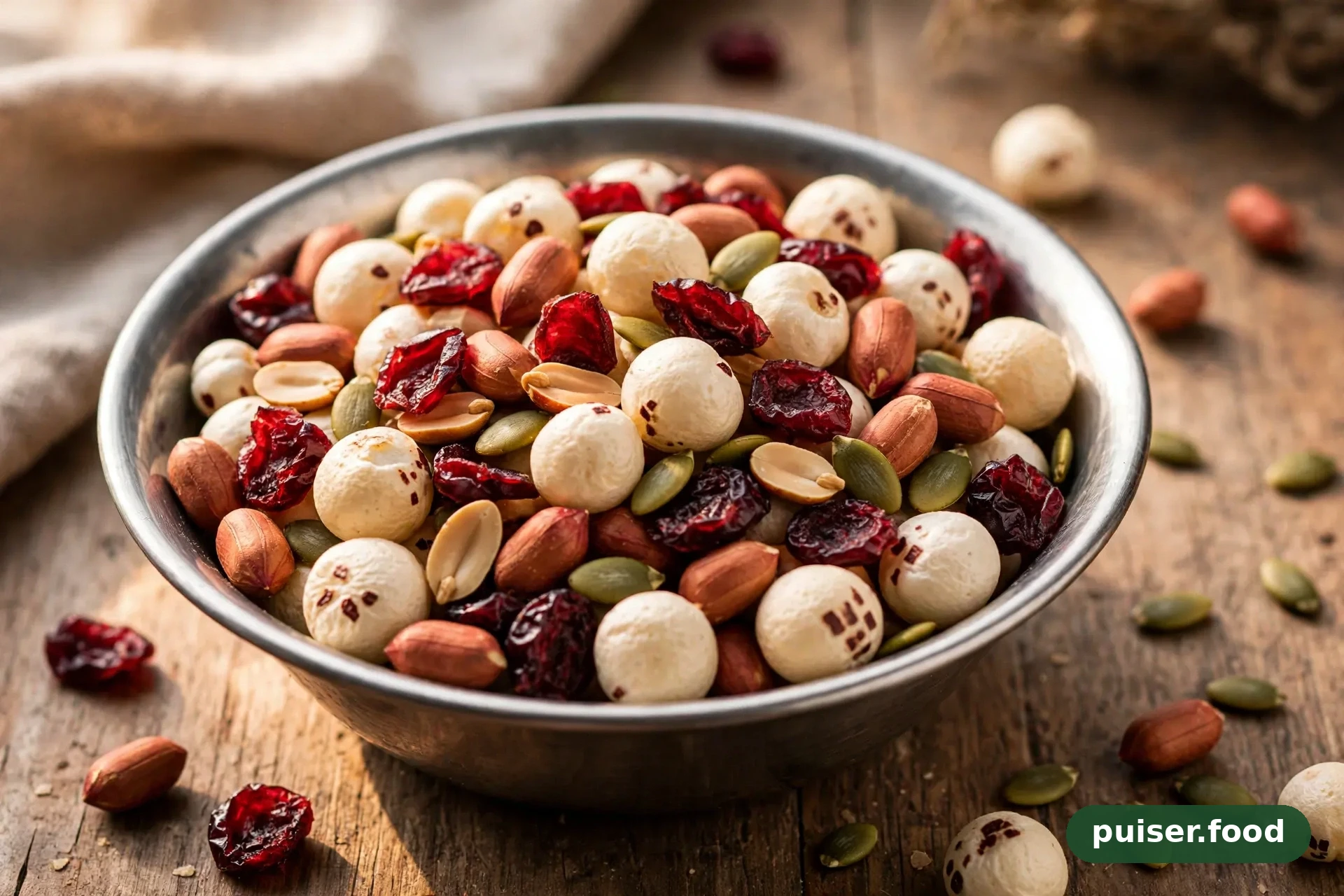
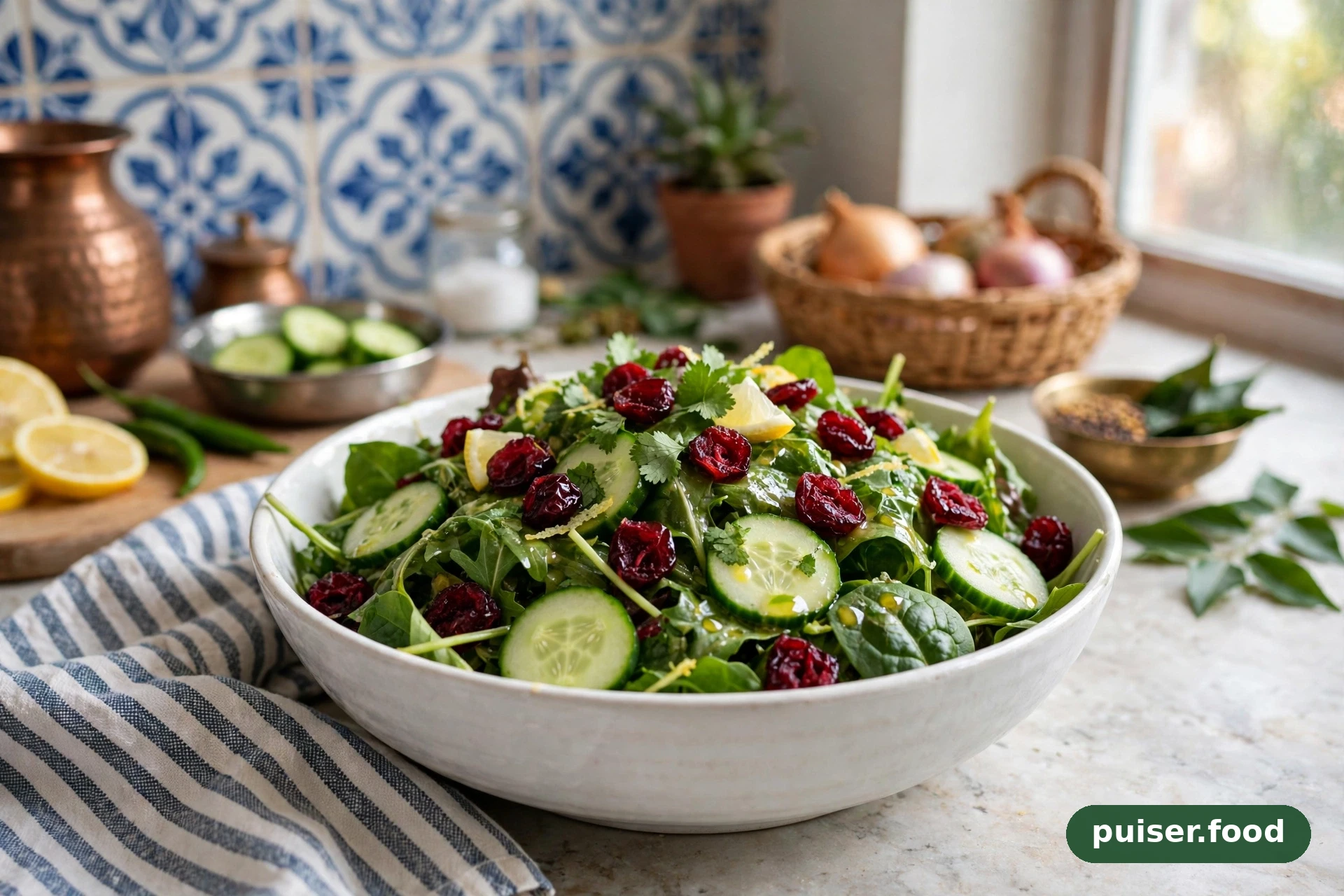
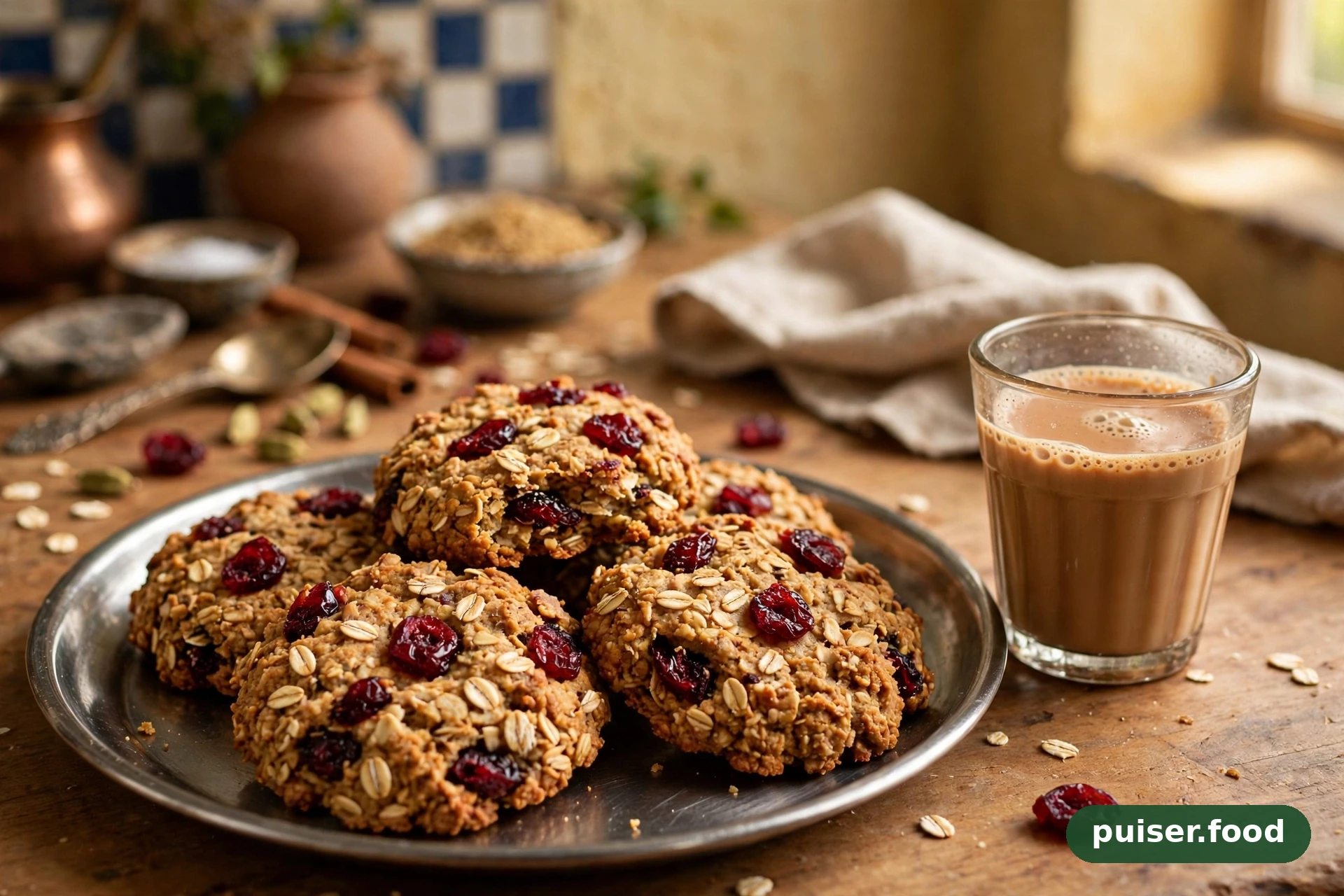
The dried cranberries benefits show up in five everyday dishes. First, trail mix, cranberries with peanuts, makhana and seeds, the snack that travels in a pocket. Second, a green salad, where a spoon of cranberries sweetens the leaves and the curd dressing. Third, oats and curd, the breakfast bowl where a spoon of cranberries sweetens the plain base. Fourth, cookies and muffins, the baking where cranberries replace some of the sugar. Fifth, pulao garnish, cranberries stirred into rice with nuts, the sweet note in a savoury dish.
The fruit also works chopped into chutney, where it adds tartness, and in kheer, where it plumps up in the hot milk. Our goji berries benefits guide covers the red berry of the same trail mix, the one to reach for when the mix needs protein and iron. Our dried mango benefits guide covers the chewy tropical fruit of the same shelf, the one to reach for when the snack needs to be sweet rather than tart.
Buying and Storing Dried Cranberries
The dried cranberries benefits survive or die on whether the berries are fresh, because old cranberries dry out, turn hard and lose their soft chew. Good cranberries are plump, soft and glossy, with unbroken skin and a deep red colour, and they should smell sweet and fruity, not sour or fermented. Most dried cranberries in India are sweetened, so check the label for added sugar and pick the pack with the shortest ingredient list.
Price is the honest catch. Dried cranberries sell for about 196 to 299 rupees per 250 g, and a 250 g pack gives about eight handfuls, so a small handful costs about 35 rupees. The cheapest packs are sliced berries, and the dearest are whole imported berries, which is why the sliced kind suits baking and the whole kind suits the trail mix. Puiser’s new Organic Dried Cranberries, 250 g at 295 rupees, sits at the premium end of the market, and it is the product this article pairs with.
Store cranberries in an airtight jar in a cool, dark place, and in the fridge once opened in summer, because the sugars attract moisture and the fruit can ferment in heat. They keep for about six months in a cool place, or about a year in the fridge. If the cranberries smell sour, taste fermented or show mould, throw them away, because spoiled berries are not worth eating. Dried cranberries are also a choking risk for small children, so chop them fine for toddlers.

5 Expert Tips
Five habits protect the fibre and PACs in dried cranberries. First, buy a small pack at a time, and taste a berry before you buy a kilo. Second, eat a small handful a day, not a bowlful, because the fruit is the sweetest dried fruit on the shelf and the portion is the whole story. Third, mix cranberries with nuts and seeds, because the fat and protein slow the sugars down and keep the snack filling. Fourth, rinse the mouth with water after eating cranberries, because the sticky sugars cling to the teeth. Fifth, buy whole berries for snacking and sliced berries for baking, because the sliced kind costs less and mixes better.
Common Mistakes to Avoid
The most common mistake is eating a bowlful and calling it a health food, when the portion is a small handful and a bowlful carries about 308 kcal and 73 g of sugars. The second is buying juice sweetened cranberries and counting them as unsweetened, when the sugars are nearly the same. The third is quoting cranberries as a vitamin C food, when a handful gives about 0.06 mg of vitamin C, far too little to matter. The fourth is drinking cranberry juice for an infection that has already started, when cranberries may help prevent a repeat infection and do not treat one. The fifth is storing cranberries on a warm shelf for months, when the fruit ferments and turns sour.
Frequently Asked Questions
What are the main dried cranberries benefits?
The main dried cranberries benefits are fibre, antioxidants and PACs, the compounds behind the urinary tract story. A 100 g portion gives about 5.3 g of fibre for about 308 kcal. A small handful gives about 1.6 g of fibre, which is a useful share of the daily target.
How many dried cranberries should I eat in a day?
A small handful of dried cranberries a day, about 30 g or two tablespoons, is a sensible portion for most adults. That gives about 92 kcal and 1.6 g of fibre. Eat them in a trail mix, salad or oats, rather than by the bowlful, because the fruit is sugar dense.
Do dried cranberries help with UTIs?
Dried cranberries may help prevent repeat urinary infections, because their PACs stop E. coli from sticking to the urinary tract walls. A 2023 Cochrane review found the chance of repeat infections fell by about a third in women who get them often. They do not treat an infection that has started.
Are dried cranberries good for diabetes?
Dried cranberries are sugar dense, about 73 g of sugars per 100 g, so a small handful has a real effect on blood sugar. The fibre slows the sugars down a little, but the portion must stay small. People with diabetes should count cranberries as the sweet of the meal and ask their own doctor.
Are dried cranberries good for the heart?
Dried cranberries may help the heart, because their fibre and flavonoids support a healthy diet, and the flavonoids may help protect LDL cholesterol from being oxidised. The benefit comes from the whole diet, not from one fruit. Dried cranberries do not treat heart disease.
Do dried cranberries help with constipation?
Dried cranberries can help with constipation, because their fibre adds bulk to the stool and feeds the good bacteria in the gut. A small handful gives about 1.6 g of fibre, and eating them daily with enough water helps most people. Cranberries are not a laxative, and persistent constipation deserves a doctor.
Are dried cranberries better than raisins?
Dried cranberries carry more fibre than raisins, about 5.3 g against 3.7 g per 100 g, and they carry PACs that raisins do not. Raisins carry far more potassium and iron, about 749 mg and 1.88 mg against 49 mg and 0.39 mg. Cranberries also carry far more sugar, so the choice depends on what the meal needs.
Are unsweetened dried cranberries better?
Unsweetened dried cranberries carry no added sugar, so they are the better buy for blood sugar, but they are very tart and hard to eat plain. They suit baking and cooking, where sugar is added anyway. Juice sweetened cranberries are sweetened with apple or grape juice, and their sugars are nearly the same as sugar sweetened ones.
Can dried cranberries interact with warfarin?
Case reports link large amounts of cranberry with higher bleeding risk in people taking warfarin, the blood thinner. The evidence is thin, but the warning is real, so people on warfarin should ask their doctor before starting a daily cranberry habit. A small occasional handful is a different matter from a daily habit.
How do I store dried cranberries?
Dried cranberries keep for about six months in an airtight jar in a cool, dark place, or about a year in the fridge, because their sugars attract moisture and the fruit can ferment in heat. Store them in the fridge once opened in summer. Throw the berries away if they smell sour or show mould.
Conclusion
Dried cranberries are the small red berry that asks for nothing but a handful a day, and gives back a trail mix, a salad, a cookie and a pulao garnish, all for about 35 rupees a portion. A small handful gives useful fibre and PACs, and a sugar story that is honest about the sweetness, and the fruit keeps well in a cool jar for months. The dried cranberries benefits are real, but they are ordinary benefits, the kind that show up in a better everyday kitchen rather than in a miracle. Buy them fresh, store them cool, eat a handful a day, and keep them on the daily rotation.
Disclaimer: This article is for general information only and is not medical advice. If you have a medical condition, are pregnant or breastfeeding, or take regular medication, talk to your doctor before changing your diet.