Introduction
Pecans are the buttery American nut that shows up in a pie at Christmas, in a praline at a sweet shop, and, more recently, in a salad bowl in an Indian kitchen. They cost far more than walnuts or cashews on an Indian shelf, and the price is the first thing most buyers notice. This guide covers the pecans benefits that matter most, the honest price of a handful, the antioxidant claim that needs correcting, and five everyday Indian ways to eat them.
In this article
- The short answer
- What pecans actually are
- Pecans in numbers
- 10 pecans benefits worth knowing
- The antioxidant claim and the small trials, honestly
- Halves, pieces, meal and butter
- Five everyday ways to use it
- Buying and storing pecans
- 5 expert tips
- Common mistakes to avoid
- Frequently asked questions
- Conclusion
The Short Answer
The pecans benefits that matter most are healthy fats, fibre and minerals, in a nut that is naturally gluten free and easy to eat raw. Pecans give 691 kcal, 9.17 g of protein, 71.97 g of fat and 9.6 g of fibre per 100 g, and a 28 g handful, about 19 halves, gives 196 kcal, 2.6 g of protein and 2.7 g of fibre. The fat is mostly monounsaturated, the portion is small, and the price per handful is the real question to settle before buying.
What Pecans Actually Are
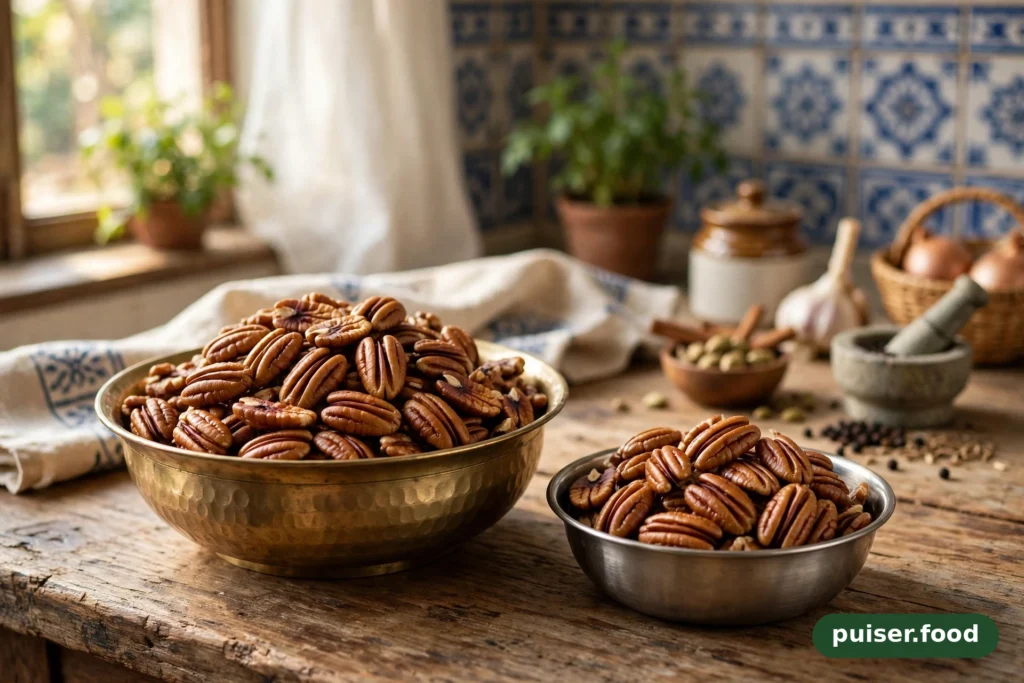
Pecans are the nuts of a hickory tree that grows wild along the rivers of the southern United States, named from a Native American word for a nut that needs a stone to crack. The nut sits inside a smooth brown shell, and the kernel inside is a pale golden half with a soft, almost creamy bite. Most pecans sold in India arrive shelled, graded as halves or pieces, and packed in sealed pouches, because the tree does not grow in Indian orchards.
That fat is where the pecans benefits start, because most of it is monounsaturated, the same kind of fat that olive oil is known for, and it is what gives the nut its soft texture and its mild, sweet flavour. A pecan does not crunch the way an almond does, and it does not carry the sharp bitterness of walnut skin. It melts a little on the tongue, which is why it suits baking so well and why a handful on its own feels richer than the same weight of cashews.
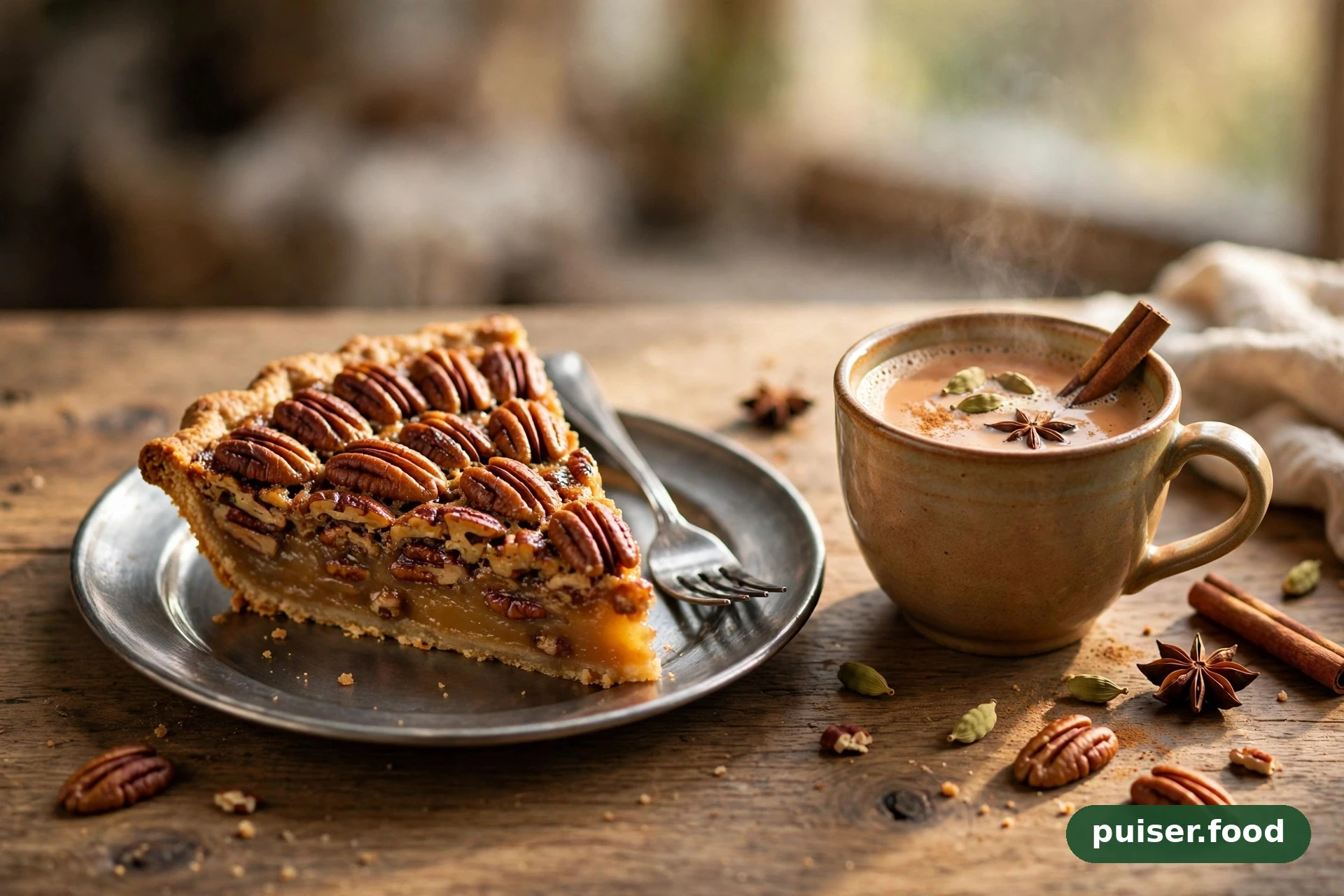
Pecans are also the American pie nut, the one that fills the pecan pie of Thanksgiving tables, and that is how most Indians first meet them, in a bakery or a gift hamper rather than a sabzi. In an Indian kitchen the nut works best where a soft, buttery crunch is wanted, over a salad, folded into a halwa, or scattered over kheer.
Pecans in Numbers
The numbers behind the pecans benefits need a straight telling, because the record is clean and the portion is small. USDA FoodData Central holds a record for pecans, FDC ID 170186, “Nuts, pecans”, from the SR Legacy dataset. This guide uses that record only, with all figures per 100 g unless a portion is named. A different record, “Pecans, unroasted” from the FNDDS dataset, gives different figures, and it is not used here.
| Nutrient, pecans (per 100 g, FDC 170186) | Amount |
|---|---|
| Energy | 691 kcal |
| Protein | 9.17 g |
| Fat | 71.97 g |
| Monounsaturated fat | 40.8 g |
| Polyunsaturated fat | 21.6 g |
| Saturated fat | 6.18 g |
| Carbohydrates | 13.86 g |
| Fibre | 9.6 g |
Three figures in that table do most of the work. Fat at 71.97 g per 100 g is the headline, and more than half of it, 40.8 g, is monounsaturated. Fibre at 9.6 g per 100 g is the second, high for a nut, and it is why a small handful feels filling. Protein at 9.17 g per 100 g is the third, modest beside dals, so pecans are a fat food with some fibre.
| Portion of pecans | Energy | Protein | Fat | Fibre |
|---|---|---|---|---|
| 28 g, one ounce, about 19 halves | 196 kcal | 2.6 g | 20.2 g | 2.7 g |
| 50 g, a small katori | 346 kcal | 4.6 g | 36.0 g | 4.8 g |
| 100 g, a full katori | 691 kcal | 9.17 g | 71.97 g | 9.6 g |
The portion table is the one to keep in mind at the shelf, because the per 100 g figures look rich and the handful figures look fair. One ounce, 19 halves, gives 196 kcal, which is a reasonable snack, and a full katori of 100 g gives 691 kcal, which is a third of a day’s energy for many adults.
| Mineral or vitamin (per 100 g) | Amount | Amount in 28 g |
|---|---|---|
| Manganese | 4.5 mg | 1.26 mg |
| Copper | 1.2 mg | 0.34 mg |
| Zinc | 4.5 mg | 1.26 mg |
| Magnesium | 121 mg | 33.9 mg |
| Potassium | 410 mg | 114.8 mg |
| Iron | 2.53 mg | 0.71 mg |
| Thiamin (vitamin B1) | 0.66 mg | 0.18 mg |
The minerals are the quiet part of the nut. Manganese and zinc, both 4.5 mg per 100 g, are high for a food eaten in small amounts, and a 28 g handful still gives 1.26 mg of each. Magnesium at 121 mg and potassium at 410 mg per 100 g add to the plate, though a handful gives only a share of a day’s need. Copper at 1.2 mg, iron at 2.53 mg and thiamin at 0.66 mg per 100 g round out the table.
| Form of pecan | What it is | Best Indian use | Watch out |
|---|---|---|---|
| Halves | Whole kernels, unbroken | Salads, garnish, snacking | Costliest form, eat by count |
| Pieces | Broken halves | Halwa, kheer, baking | Same nutrition, lower price |
| Chopped | Finely cut kernels | Stuffing, laddoo, crumble | Goes stale faster once cut |
| Meal | Ground kernels | Flour mixes, crusts, cheela | Turns rancid fast, buy small |
| Butter | Ground paste, no added oil | Toast, paratha filling, dip | Check the label for added sugar |
The form changes the price and the cooking, not the nutrition. Halves cost the most because they look best on a plate, and pieces carry the same figures for less money, so buy pieces when the nut will be chopped anyway. Meal and butter go stale fastest, because grinding exposes the fat to air, so buy them in small packs and keep them in the fridge. Read the butter label, because a sweetened jar is a different food from plain ground pecans.
10 Pecans Benefits Worth Knowing
Here are the ten pecans benefits worth knowing, in the order a home cook would care about them. Each one is tied to a number from the tables above or to a caution named in the text, and each one belongs to the handful, not the full katori.
1. Mostly monounsaturated fat
The first benefit is the fat itself. Pecans give 40.8 g of monounsaturated fat per 100 g, more than half of their total fat, and that is the kind of fat found in olive oil. A 28 g handful gives about 11.4 g of it. The fat is what makes the nut soft and filling, and why it beats a fried namkeen of the same calories as a snack.
2. Fibre that fills a small handful
Pecans give 9.6 g of fibre per 100 g, and a 28 g handful gives 2.7 g. Fibre slows digestion and keeps you full, which is why a counted handful satisfies more than a bowl of chips of the same calories. The fibre sits beside the fat, so the nut digests slowly and the hunger stays away for a while.
3. Manganese and zinc in a small portion
A 28 g handful gives 1.26 mg of manganese and the same of zinc, which is a useful share of a day’s need from a food eaten in small amounts. Manganese helps the body use food for energy, and zinc supports immunity. Few snacks carry this much of either mineral in a single handful, and the pecan does it without a supplement.
4. Naturally gluten free
Pecans are naturally gluten free, because they are a tree nut and not a grain, and that makes them a safe snack for a person with coeliac disease. They also suit kitchens that cook without wheat for other reasons. Check the pack for a gluten free label if the nuts are packed in a shared facility, because cross contact is possible there.
5. A snack that needs no cooking
Pecans need no cooking at all, which makes them the easiest nut on this list to eat well. Open the pack, count 19 halves, and the snack is ready, with no soaking, no roasting and no recipe to follow. That is why they suit a tiffin box, a desk drawer and a train journey
6. Good fat for the heart, in a small portion
The fat in pecans is mostly unsaturated, 40.8 g monounsaturated and 21.6 g polyunsaturated per 100 g, with only 6.18 g saturated, and diets rich in unsaturated fat in place of saturated fat are linked with better heart health. Small human trials, covered honestly below, found better blood cholesterol markers after a few weeks. The portion is what keeps the benefit honest, because a handful helps and a katori adds 691 kcal.
7. Steady energy without sugar
Pecans give 13.86 g of carbohydrates per 100 g, which is low for a food with this much energy, and the fibre beside them slows digestion further. A handful gives steady energy without a sugar rush, which is why it beats a biscuit as a mid-morning snack. The nut carries no added sugar when bought plain, so the label should read pecans and nothing else.
8. Carries flavour without fighting it
Pecans taste mild, sweet and buttery, which is why they take on other flavours so well. Cinnamon, cardamom, jaggery and vanilla all sit comfortably on them, and the nut carries them without turning the dish into something else. That is what lets it stand in for walnuts in a halwa or a cake, and why it works in sweet and savoury dishes alike.
9. One nut, many dishes
Pecans eat raw, toast in a dry kadhai, grind into a meal, and press into a butter, and the four forms cover snacking, salads, baking and spreads. Halves garnish a kheer, pieces fold into a halwa, meal thickens a crust, and butter spreads on toast. Few nuts stretch that far, and the shelled halves keep for months in a jar, so a single pack covers many meals.
10. Suits a weight loss plate, counted
A 28 g handful, about 196 kcal with 2.7 g of fibre, suits a weight loss diet better than a fried snack of the same calories, because the fibre and fat make it filling. The catch is the count. Pecans are easy to eat by the bowlful, and a second handful adds another 196 kcal without feeling like much more food. Count 19 halves, close the jar, and the nut works for the diet instead of against it.
The Antioxidant Claim and the Small Trials, Honestly
The pecans benefits story has a part that gets told wrong, so it deserves a straight telling, along with the vitamin E detail and the size of the human trials. None of the three is a reason to skip pecans, only to buy them for the right reasons and count them right.
The “most antioxidant-rich nut” claim
Pecans are often called the most antioxidant-rich nut, and the claim rests on the USDA ORAC database, a ranking of foods by their antioxidant capacity in a lab test. The USDA withdrew that database in 2012, because lab capacity does not show what happens in the human body, and the ranking is no longer published or maintained. This guide does not repeat the claim as fact, because the source behind it no longer stands.
The vitamin E detail
Pecans do carry vitamin E, but most of it is gamma-tocopherol, a different form from the alpha-tocopherol that appears on nutrition labels and in most supplements. The label figure and the pecan figure are therefore not the same thing, and the two forms behave differently in the body. That does not make it worthless, only different from what the label suggests, so do not buy pecans as a vitamin E supplement.
The human trials are small
The human trials behind the heart claims are small, with 19 to 204 people, and they ran for 4 to 12 weeks, which is a short time for a food study. They measured blood markers, such as cholesterol levels, and they found improvements, but no trial has counted heart attacks, strokes or deaths, which are the outcomes that would prove a nut protects the heart. The markers point in a good direction and prove no more than that, so treat pecans as a good fat food, not a heart medicine.
The allergy and the calories
Pecans are a tree nut, and a tree nut allergy can be serious, so anyone with a nut allergy should avoid them and ask a doctor before trying them. A kitchen cooking for guests should say when a dish has pecans in it, because the nut hides easily in a halwa or a cake. The calories need the same honesty, because 691 kcal per 100 g makes portion size the whole story, and a nut this easy to eat is also easy to overeat.
Halves, Pieces, Meal and Butter
The pecans benefits do not change much between the forms on the shelf, because the nut is the same, but they change between the ways it is eaten. Halves are the whole kernels, and they suit salads and snacking. Pieces are broken halves, and they suit halwa, kheer and baking, where the nut will be chopped anyway. Chopped pecans suit stuffings and laddoo, and meal suits crusts and flour mixes, though ground nut goes stale fastest.
Pecan butter is the ground paste, and it spreads on toast or fills a paratha, though the jar should list pecans and nothing else, because a sweetened jar is a different food. Pecan oil exists too, but it is costly and rare on Indian shelves, so this guide does not price it. Buy halves for the plate, pieces for the pot, and butter only when the dish needs a spread, and our walnuts benefits guide covers the nut most Indian kitchens buy instead. Our Brazil nuts benefits guide, our almonds benefits guide and our cashews benefits guide cover the other nuts on the same shelf.
Five Everyday Ways to Use It
The pecans benefits show up best in five everyday dishes, each one using a small handful rather than a bowlful, with the nut at 28 g or less per serving.
1. Pecan pie with jaggery
Line a pie dish with shortcrust pastry, fill it with a mix of jaggery, eggs, butter and vanilla, then lay pecan halves over the top in a neat pattern and bake until the filling sets and the nuts turn glossy. The pie is rich, so a small slice is enough for a festival table or a Sunday dessert. Serve it warm with a scoop of vanilla ice cream or a cup of masala chai.
2. Toasted pecan salad with paneer
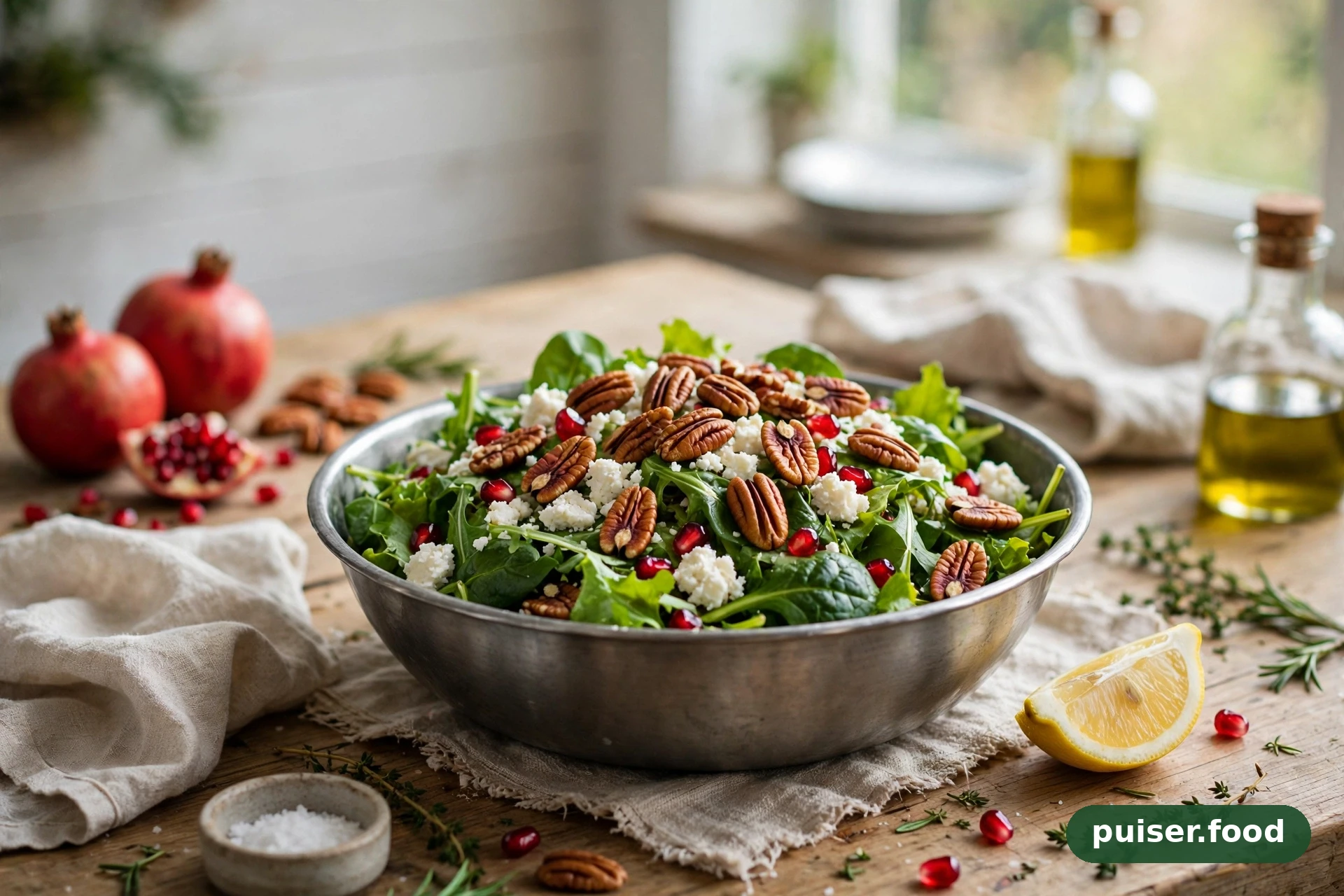
Toast a handful of pecan halves in a dry kadhai until they smell nutty, then toss them over a salad of greens, cucumber, tomato and pomegranate seeds with crumbled paneer. Dress with lemon juice, salt and a little olive oil, and serve at once, while the nuts are still warm. The warm nuts against the cool salad is the whole dish.
3. Pecan praline with jaggery
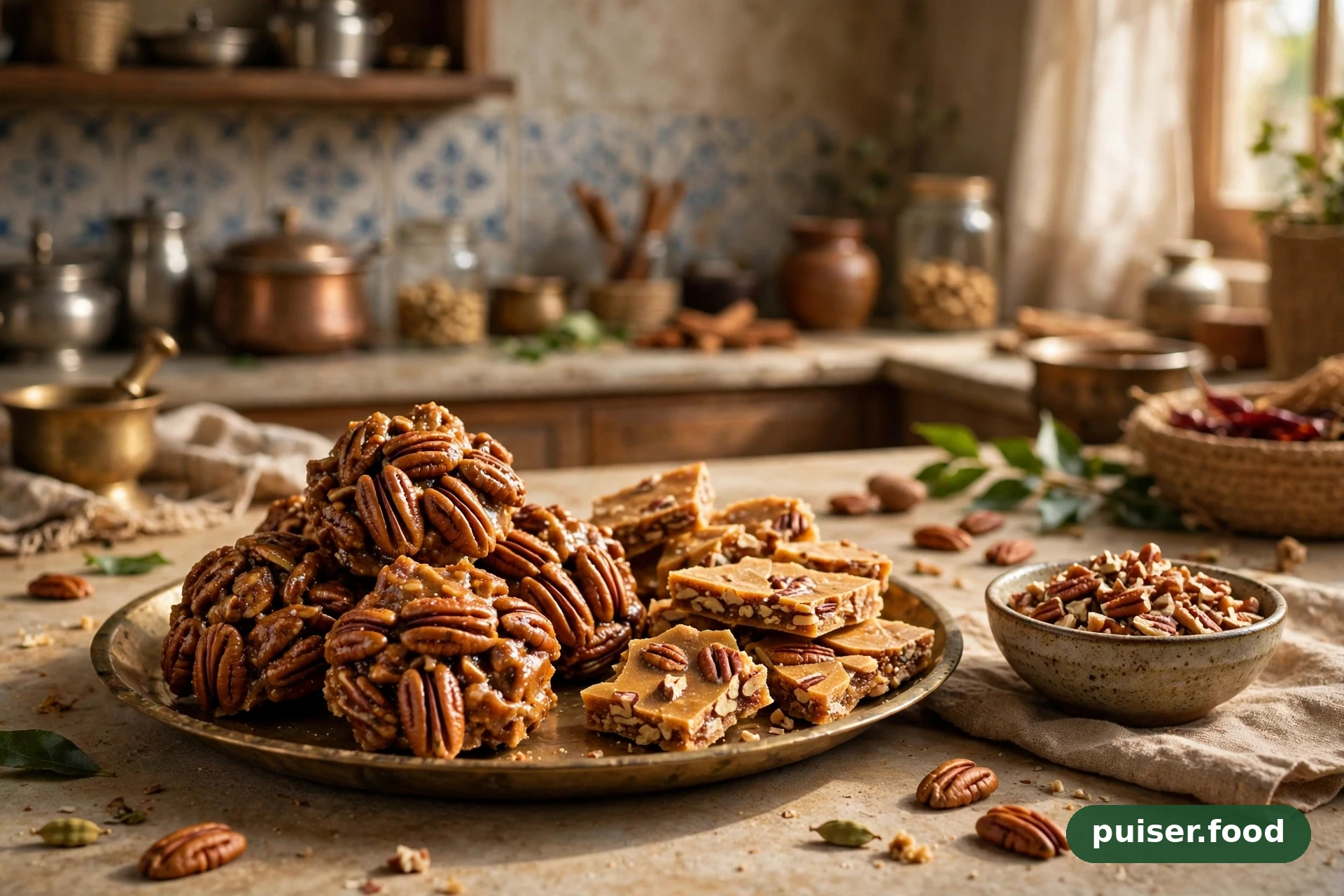
Melt jaggery in a kadhai with a spoon of water, stir in pecan halves until they are coated, then spread the mix on a greased plate and leave it to set before breaking it into clusters. The praline keeps in a steel dabba for days, and a small piece after lunch is enough. It is the cheapest way to make a costly nut stretch.
4. Pecan kheer with cardamom
Simmer a small katori of chopped pecans in milk on a low flame, stirring often, until the milk thickens, then add cardamom and a little jaggery and finish with a few whole halves on top. The nuts give the kheer its body, so it needs less sugar than a rice kheer. Serve warm, or chill it for a summer dessert.
5. Pecan and date laddoo
Grind toasted pecans with soft dates and a pinch of cardamom, roll the mix into small laddoos, and dust them with a little chopped pecan. The dates hold the laddoo together without sugar, so one laddoo with chai is a full snack. The laddoos keep in a steel dabba for days, and they travel well in a tiffin box.
Buying and Storing Pecans
The pecans benefits survive or die on the label, so buy by the label, not by the price alone. The ingredients list should read pecans, and a pack that lists anything else is a mix or a sweetened snack. Halves cost the most and pieces cost less for the same nutrition, so buy pieces when the nut will be chopped. A pack that smells stale or bitter before eating will taste worse after it, and a pack with broken shells mixed in is a packing fault worth returning.
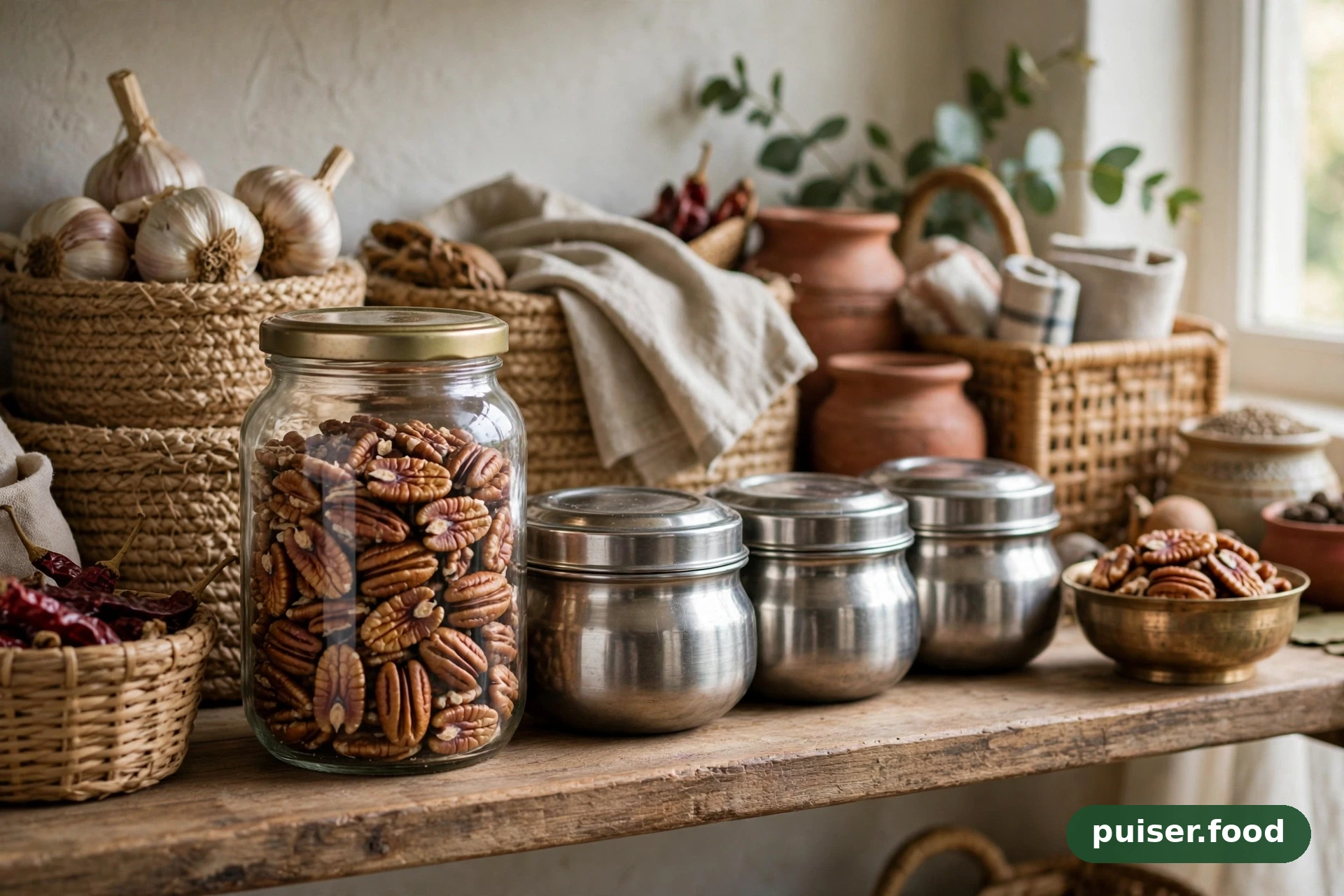
Pecans are the priciest nut on most Indian shelves, so price the handful rather than the pack. A 250 g pack holds about nine handfuls of 28 g, and the per-handful price is the figure that tells you whether the nut fits your budget. For the pantry, our Organic Pecans are the plain shelled halves in the Puiser shop, made for the salad, the pie and the praline. Store the nuts in an airtight jar in a cool, dark place, and keep them in the fridge once opened in summer, because the fat turns rancid in heat. Throw them away if they smell stale or paint-like, or if they show mould.
5 Expert Tips
Five small habits keep the pecans benefits on the plate and the calories under control.
1. Count 19 halves. Count 19 halves into a small bowl and put the pack away, because the nut is easy to eat by the bowlful.
2. Toast them dry. Toast the halves in a dry kadhai on a low flame until they smell nutty, because the heat brings out the flavour and keeps the nuts crisp in a salad.
3. Buy pieces for cooking. Buy pieces instead of halves when the nut will be chopped or folded into a dish, because the nutrition is the same and the price is lower.
4. Keep them cold in summer. Keep the jar in the fridge once opened in summer, because the fat in pecans turns rancid in heat and a stale nut will spoil a whole dish.
5. Pair them with dal or curd. Pair pecans with dal, curd or milk when they are the snack beside a meal, because the nut gives only 2.6 g of protein per handful and the meal needs more than that.
Common Mistakes to Avoid
Eating by the bowlful. Pecans give 691 kcal per 100 g, so a bowlful is a meal of calories without a meal of food. Count 19 halves into a small bowl, and put the pack away before eating.
Buying sweetened pecans by mistake. Candied and honey-roasted pecans carry added sugar, and the label should read pecans and nothing else. Check the ingredients list, and buy plain nuts for everyday eating.
Storing them warm. Pecans turn rancid in heat, because they carry 71.97 g of fat per 100 g. Keep the jar in a cool, dark place, and move it to the fridge in summer once opened.
Treating them as a protein food. Pecans give 9.17 g of protein per 100 g, while dals give far more by weight. Pair them with dal or curd, and do not let them carry the meal’s protein alone.
Skipping the allergy warning. Pecans are a tree nut, and the nut hides easily in a halwa, a cake or a salad. Tell guests when a dish has pecans in it, and keep the jar away from other nuts if anyone in the house is allergic.
Frequently Asked Questions
What are the main benefits of pecans?
Pecans benefits centre on healthy fats, fibre and minerals, with 40.8 g of monounsaturated fat, 9.6 g of fibre and 691 kcal per 100 g. A 28 g handful gives 196 kcal, 2.6 g of protein and 2.7 g of fibre. The portion is 19 halves a day, and the nut is naturally gluten free.
Are pecans good for daily eating?
Yes, pecans suit daily eating in a small portion, because they are a whole nut with healthy fats, fibre and minerals, and they need no cooking. Count 19 halves, about 28 g, and eat them raw or toasted. Eating a full katori a day would add 691 kcal, so the handful is the daily portion.
Are pecans good for the heart?
Small human trials, with 19 to 204 people over 4 to 12 weeks, found better blood cholesterol markers after eating pecans, but no trial has counted heart attacks, strokes or deaths. The fat is mostly unsaturated, which suits heart health in a small portion. People with heart disease should ask their own doctor about portions.
Are pecans good for diabetes?
Pecans give only 13.86 g of carbohydrates per 100 g, with 9.6 g of fibre alongside, so a handful affects blood sugar less than a biscuit or a sweet snack. The fibre slows digestion, and the nut carries no added sugar when bought plain. People with diabetes should ask their own doctor about portions before eating them daily.
How many pecans should I eat in a day?
About 28 g a day, one ounce or 19 halves, is the daily portion this guide uses, with about 196 kcal, 2.6 g of protein and 2.7 g of fibre. The nuts are easy to overeat, so count the halves into a small bowl and put the pack away. Eating more on some days is fine, but count the handful.
Are pecans better than walnuts?
Pecans are softer, sweeter and milder than walnuts, with more monounsaturated fat and less bitterness from the skin, while walnuts carry more of the plant omega-3 fat. Our walnuts benefits guide covers the cheaper Indian pantry nut in the same detail. Buy pecans for baking and salads, and walnuts for everyday eating.
Are pecans good for weight loss?
A 28 g handful, about 196 kcal with 2.7 g of fibre, suits a weight loss diet better than a fried snack of the same calories, because the fibre and fat make it filling. The catch is the count. A second handful adds another 196 kcal, and a pecan pie slice is a different food from plain pecans.
Do pecans need to be soaked?
No, pecans need no soaking, because they are eaten raw and their skin is thin and mild, unlike the bitter skin of a walnut. Rinse them only if they look dusty, and dry them well before eating. Toasting in a dry kadhai improves the flavour, and roasting is optional rather than needed.
Are pecans safe for children?
Children can eat pecans in small servings, and the chopped nuts suit kheer and laddoo well, because they cook soft and carry healthy fats and fibre. Whole halves are a choking risk for small children, so chop them fine for young ones. Keep the portion small, and check for a nut allergy first.
Do pecans have side effects?
The main caution is a tree nut allergy, which can be serious, so anyone with a nut allergy should avoid pecans and ask a doctor before trying them. The other caution is the calories, at 691 kcal per 100 g, so a large serving adds up fast. Stale pecans taste bitter and should be thrown away.
Conclusion
Pecans earn their price when the handful is counted, the pack is plain, and the antioxidant claim is kept honest. The pecans benefits, healthy fats, fibre and minerals in a nut that needs no cooking, make them a fine snack for a salad, a pie or a praline, and the 19 halves a day keep the calories fair. Try a small handful toasted over a salad, in a kheer or in a praline, and see if the buttery nut earns its place on your shelf.
Disclaimer: This article is for general information only and is not medical advice. If you have a tree nut allergy, diabetes, or heart disease, talk to your doctor before making pecans a daily habit.