Introduction
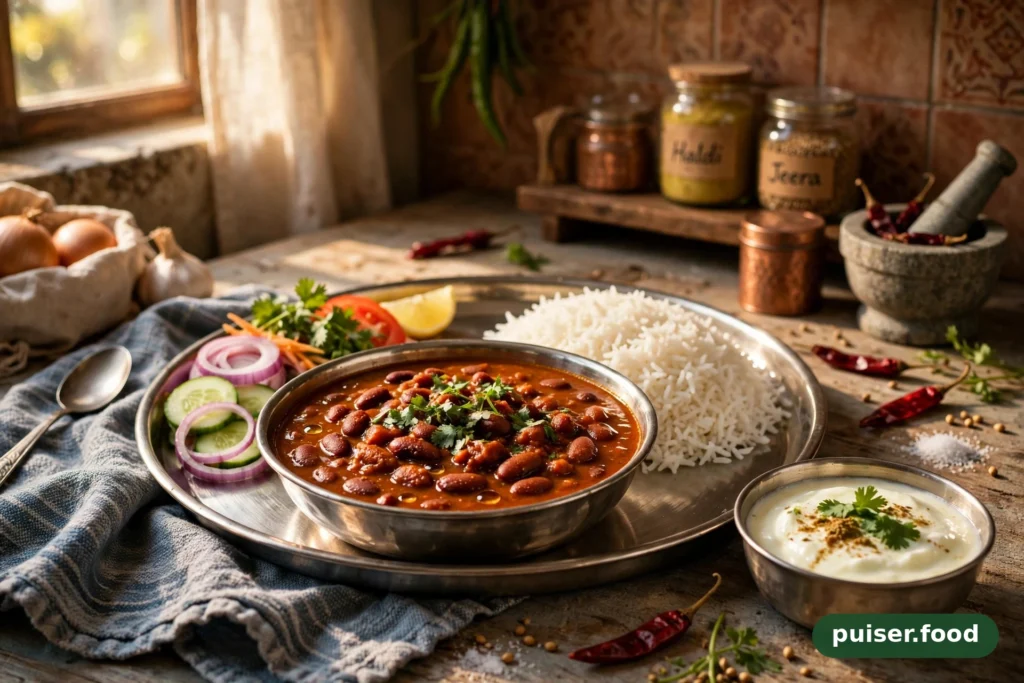
Rajma is the Sunday lunch of North India. The pot goes on in the morning, the house fills with the smell of tomato, ginger and garam masala, and by lunch there is a bowl of deep red beans in thick gravy next to steamed rice. Under the gravy is a bean with solid protein, good fibre, useful iron and folate, and a low glycaemic index. This guide covers the rajma benefits that matter most, the nutrition with dry and cooked numbers kept apart, the lectin rule that makes soaking non-negotiable, and the five dishes where rajma works best.
In this article
- The short answer
- What rajma actually is
- Rajma in numbers
- 10 benefits worth knowing
- Protein and the rice pairing
- Iron, folate and the anaemia question
- The lectin rule: soak and boil properly
- Blood sugar and the low GI
- How to cook rajma
- Five everyday ways to use it
- Buying and storing rajma
- 5 expert tips
- Common mistakes to avoid
- Frequently asked questions
- Conclusion
The Short Answer
The rajma benefits that matter most are the protein, fibre and iron in a cheap, filling bean. A 100 g portion of cooked rajma gives about 8.7 g of protein, 6.4 g of fibre and 2.9 mg of iron for about 127 kcal. The bean is also a good source of folate, at about 130 mcg per 100 g cooked, and it has a low glycaemic index. The one rule is the cooking: soak the beans for at least 6 to 8 hours and boil them properly, because raw and undercooked kidney beans carry a natural compound that causes stomach upset.
What Rajma Actually Is
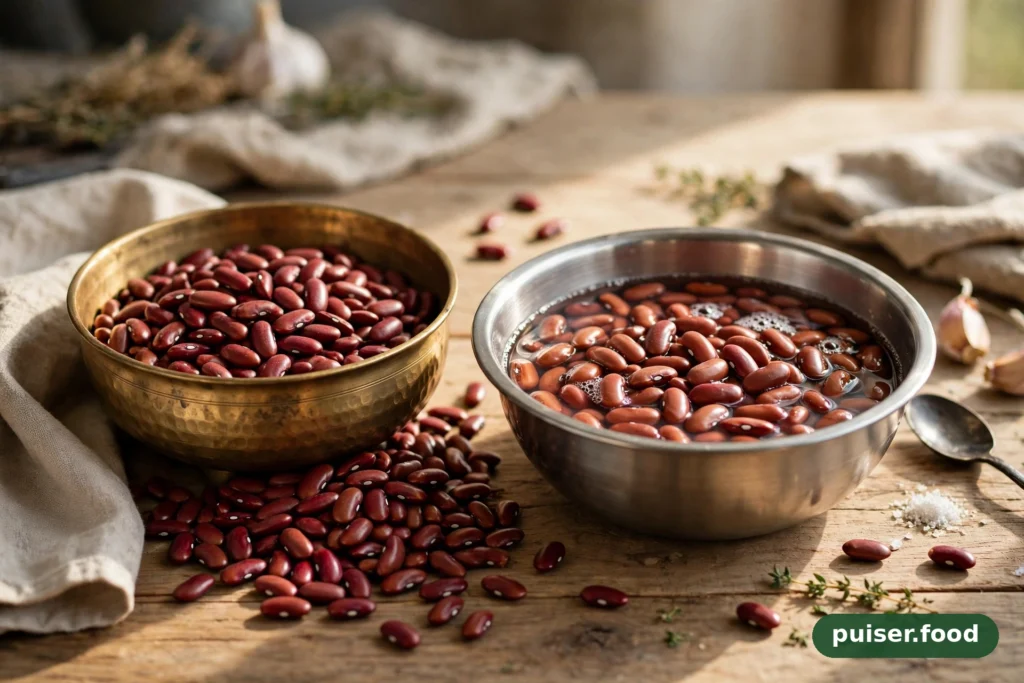
Rajma is the red kidney bean, Phaseolus vulgaris, a bean native to the Americas that has been grown in India for centuries and is now a staple of the North Indian kitchen. Kashmiri rajma is small, deep red and thin skinned, and it turns creamy when cooked. Chitra rajma is light red and speckled, with a thinner skin that cooks faster. Jammu rajma, the premium red kidney bean from Jammu and Kashmir, is larger and darker, and it holds its shape in the gravy. The nutrition figures in this guide are for cooked red kidney beans, the form you actually eat, not for the dry bean.
That distinction matters. Dry rajma carries about 22 to 24 g of protein per 100 g, but nobody eats it dry. Cooked rajma carries about 8.7 g per 100 g, because the beans absorb water as they cook. Most blogs quote the dry figure next to a serving suggestion, which makes the protein look far higher than the meal delivers. This guide gives cooked figures throughout, and says so each time.
Rajma is also the bean of the rajma chawal plate, and the pairing is nutritionally smart. Beans are short of one amino acid, methionine, and rice is short of another, lysine, so the two together give a complete protein. That is why the combination has survived for generations, and why it works as the main protein of a vegetarian lunch. Our moong dal benefits guide covers the lightest dal in the same kitchen, the one to reach for when rajma feels too heavy.
Rajma in Numbers
The table below sets out the rajma benefits in numbers, using the USDA figures for cooked red kidney beans, boiled without salt, which the House of Veda guide and other Indian sources reproduce. The numbers are modest rather than spectacular, and that is the point: rajma is an everyday food, and its value is in the combination of protein, fibre and minerals at a low cost, not in any single standout figure.
| Nutrient | Per 100 g, cooked |
|---|---|
| Energy | 127 kcal |
| Protein | 8.7 g |
| Carbohydrates | 22.8 g |
| Dietary fibre | 6.4 g |
| Fat | 0.5 g |
| Iron | 2.9 mg |
| Folate | About 130 mcg |
| Potassium | 405 mg |
| Magnesium | 45 mg |
| Calcium | 28 mg |
Figures per USDA FoodData Central for kidney beans, red, cooked, boiled, without salt, as reproduced by the House of Veda rajma guide. Folate is approximate and varies by variety and cooking time.
The second table shows what a real portion gives you. A katori of cooked rajma is about 150 g, and a cup is about 177 g. The protein per katori is about 13 g, which is a serious share of a vegetarian lunch, and the fibre is about 9.6 g, which is why a rajma meal keeps you full for hours.
| Portion of cooked rajma | Energy | Protein | Fibre | Iron |
|---|---|---|---|---|
| 100 g | 127 kcal | 8.7 g | 6.4 g | 2.9 mg |
| 1 katori, about 150 g | About 190 kcal | About 13 g | About 9.6 g | About 4.4 mg |
| 1 cup, about 177 g | About 225 kcal | About 15.4 g | About 11.3 g | About 5.1 mg |
Portion figures are scaled from the 100 g cooked values above. A katori is the small steel bowl used for dal at an Indian meal.
The third table compares the three main varieties. The differences are in cooking time and texture, not in nutrition, and the choice is a matter of taste and what your shop stocks.
| Variety | Look | Texture when cooked | Best for |
|---|---|---|---|
| Kashmiri rajma | Small, deep red, thin skin | Creamy, breaks down easily | Everyday rajma masala |
| Chitra rajma | Light red, speckled, thin skin | Soft, cooks fastest | Quick weeknight rajma |
| Jammu rajma | Larger, darker red | Firm, holds its shape | Festive rajma, salads |
All three varieties need the same treatment: soak for at least 6 to 8 hours, then boil properly. The variety changes the texture, not the safety rule.
10 Benefits Worth Knowing
These are the ten rajma benefits worth knowing, in the order that matters for an Indian kitchen. The first three are the nutrition facts. The rest are what those facts mean in practice, including the honest limits.
1. Solid plant protein at a low price
A katori of cooked rajma gives about 13 g of protein, which is a serious share of a vegetarian meal, and the bean costs a fraction of paneer or eggs per gram of protein. The protein is not complete on its own, so it works best with rice, which is exactly how it is eaten. For a vegetarian household, rajma is one of the cheapest reliable proteins in the kitchen.
2. Fibre that keeps you full
With 6.4 g of fibre per 100 g cooked, a katori gives about 9.6 g, which is a large share of the daily fibre most Indians eat. The mix of soluble and insoluble fibre slows digestion, which helps with blood sugar and keeps you full for hours after lunch. That is why a rajma chawal meal does not leave you hungry again by four in the afternoon.
3. Iron for energy and haemoglobin
At 2.9 mg of iron per 100 g cooked, a katori gives about 4.4 mg, which is a useful share of the daily need. Iron is needed to make haemoglobin, the molecule that carries oxygen in the blood, and iron deficiency is a leading cause of fatigue, especially in menstruating women, children and vegetarians. Plant iron absorbs poorly on its own, so it counts for more with vitamin C in the meal.
4. Folate for cell repair and pregnancy
At about 130 mcg per 100 g cooked, a katori gives about 195 mcg of folate, which is a substantial share of the daily requirement. Folate is needed to make new cells, which is why it matters in pregnancy and in growing children. Rajma is not the richest folate food, leafy greens carry far more, but it is a useful everyday source.
5. Low glycaemic index for steadier blood sugar
Kidney beans have a low glycaemic index, around 24 on the international tables, which means they release sugar into the blood slowly. The fibre and the structure of the bean both slow digestion. That makes rajma a sensible choice for blood sugar, not a treatment for it, and the gravy and the rice on the plate still matter.
6. Potassium and magnesium for blood pressure
A 100 g portion carries 405 mg of potassium and 45 mg of magnesium, giving about 608 mg of potassium per katori. Potassium helps the body balance sodium, and magnesium supports muscle and nerve function. The bean is no substitute for blood pressure medicine, but as part of a diet rich in pulses and vegetables, it sits on the right side of the evidence.
7. Low fat, no cholesterol
Cooked rajma carries only 0.5 g of fat per 100 g and no cholesterol, which is why it works as a protein that does not bring saturated fat with it. The fat in the meal comes from the tadka, not the bean, so the cook controls it. A spoon of ghee in the tempering is flavour, not a property of the bean.
8. Weight management through fullness
The combination of protein and fibre is what makes rajma useful for weight management. A katori with rice and salad keeps you full for hours, which reduces the urge to snack. The bean itself is only 127 kcal per 100 g, so the calories in the meal come mostly from the rice and the oil. Portion size still matters, and a second helping of rice is where the meal gets heavy.
9. Gut health from fibre and resistant starch
The fibre in rajma feeds the good bacteria in the gut, and the beans also carry resistant starch, which behaves like fibre in the colon. Together they support regular bowel movements and gut health. The same fibre is also the reason rajma causes gas in some people, so the portion and the soaking matter, as the cooking section explains.
10. A complete meal with rice
The practical benefit is the plate itself. Rajma with rice, salad and curd is a complete meal, with protein, fibre, carbohydrate and minerals, and it needs no meat, no paneer and no special skill. It is the Sunday lunch that doubles as a sensible weekday dinner, and it costs very little.
Protein and the Rice Pairing
That combination is the first of the rajma benefits, and it is the one that explains the plate. Beans are short of the amino acid methionine, and rice is short of lysine, so the two together supply the full set of essential amino acids. Eaten alone, rajma gives good protein but not complete protein. Eaten with rice, it gives complete protein, which is the standard the body actually needs. The pairing is not an accident of taste, it is the reason the combination has lasted for generations.
The numbers make it concrete. A katori of cooked rajma gives about 13 g of protein, and a katori of cooked rice gives about 4 to 5 g, so the plate gives about 17 to 18 g before the curd and salad are counted. For an adult needing roughly 50 to 60 g of protein a day, one rajma chawal lunch covers about a third of it. That is a serious contribution from a single cheap meal.
The honest limit is the dry figure trap. This guide uses cooked figures throughout, because the cooked figure is the meal.
Iron, Folate and the Anaemia Question
Iron is the second of the rajma benefits that deserves a closer look, because anaemia is common in India and the bean is often recommended for it. At 2.9 mg per 100 g cooked, a katori gives about 4.4 mg of iron, which is a useful share of the daily need. Iron is needed to make haemoglobin, and low haemoglobin is a leading cause of fatigue. The bean also gives about 195 mcg of folate per katori, and folate is involved in healthy red blood cell production, so the two nutrients work together.
The catch is absorption. Plant iron, the non-haem kind, absorbs poorly on its own, at roughly 2 to 20% depending on the meal, against 15 to 35% for iron from meat. Vitamin C in the same meal helps a lot, which is why the tomato in the gravy and a squeeze of lemon on the salad are not just flavour. Tea and coffee with the meal reduce absorption, so keep them an hour away from lunch. Our amla benefits guide explains why amla is the best vitamin C partner for plant iron.
The honest limit is that food alone does not fix anaemia. If haemoglobin is low, the cause needs a doctor, and iron tablets may be needed alongside the diet. Rajma is a useful part of an iron aware diet, not a treatment, and that distinction matters.
The Lectin Rule: Soak and Boil Properly
The cooking rule is the part of the rajma benefits story that most blogs skip, and it is the most important part of this guide. Raw and undercooked kidney beans contain a natural compound called phytohaemagglutinin, which can cause stomach upset, nausea and vomiting if the beans are not cooked properly. Kidney beans carry more of it than other beans, which is why the rule is strictest for rajma.
The rule is simple. Soak the dried beans for at least 6 to 8 hours, or overnight, then throw the soaking water away and boil the beans in fresh water at a full rolling boil for at least 10 minutes. A pressure cooker for 15 to 20 minutes after soaking works well. Never cook raw kidney beans in a slow cooker, because a slow cooker may not reach a full boil, and beans cooked below boiling point can keep most of the compound. Canned rajma is already cooked, so it is safe to use straight from the tin after rinsing.
Soaking also helps in a second way. It reduces the gas forming oligosaccharides that cause bloating, and it shortens the cooking time. Discard the soaking water, rinse the beans, and cook them in fresh water. That one habit makes rajma easier on the stomach and safer to eat.
Blood Sugar and the Low GI
Kidney beans test at a glycaemic index of about 24, which puts them firmly in the low category, well below the 55 boundary. White rice sits at about 72, so the bean pulls the meal’s overall glycaemic load down, even though the rice is the larger part of the plate. The soluble fibre slows digestion and glucose absorption, so the rise in blood sugar after a rajma meal is gentler than after a plain rice meal.
That makes rajma a sensible choice for people managing blood sugar, including those with type 2 diabetes, as part of an overall diet. It is not a treatment, and the rest of the plate still matters: a large mound of white rice with a small spoon of rajma is still a high glycaemic meal. Keep the rice to one katori, load the plate with salad and vegetables, and let the bean do its share of the work.
How to Cook Rajma
Getting the rajma benefits is mostly a matter of soaking and boiling, and the method is simple once it becomes a habit. Rinse one cup of dry rajma, soak it in plenty of water for 8 hours or overnight, then discard the soaking water and rinse again. Pressure cook with fresh water and a little salt for 15 to 20 minutes after the first whistle, or boil in an open pot at a full rolling boil for at least 10 minutes, then simmer until soft, which takes about 45 minutes to an hour.
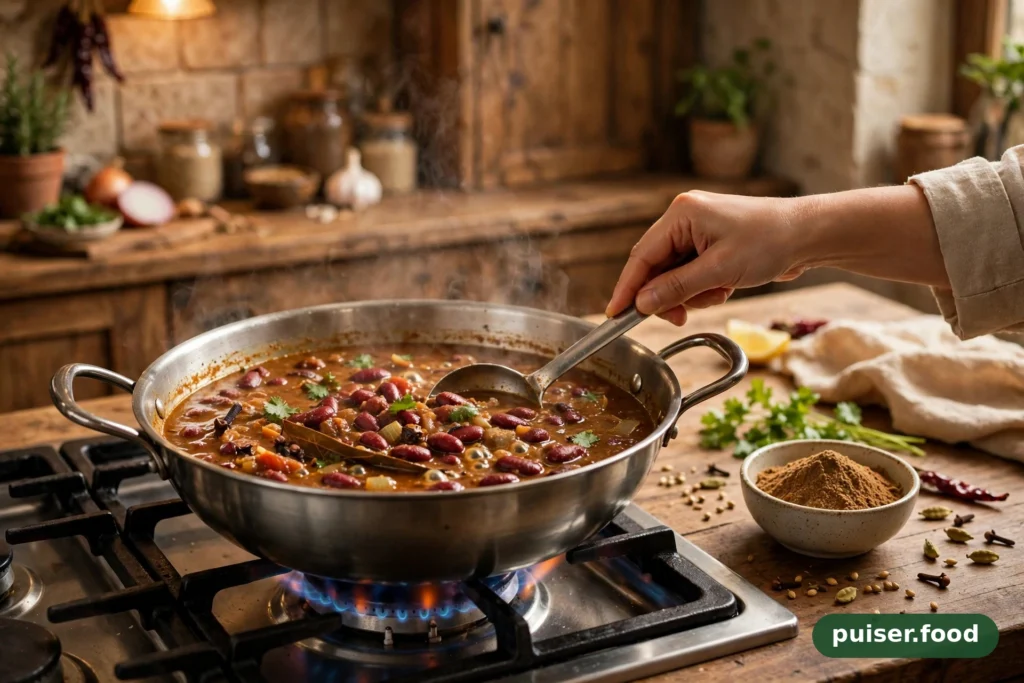
For the gravy, heat ghee or oil, add cumin, then onion, ginger, garlic and green chilli, and cook until the onion turns golden. Add tomato and cook until the oil separates, then add garam masala, coriander powder, red chilli and turmeric, and cook for a few more minutes. Add the cooked beans with their cooking liquid, simmer for 15 minutes so the flavours come together, and finish with kasuri methi and fresh coriander. The gravy should coat the beans, not drown them.
Two details make the difference. First, add salt to the beans only after they have softened, because salt added early can keep the skins tough. Second, mash a spoonful of the cooked beans against the side of the pot before adding the gravy, because that thickens the gravy without cream or extra oil.
Five Everyday Ways to Use It
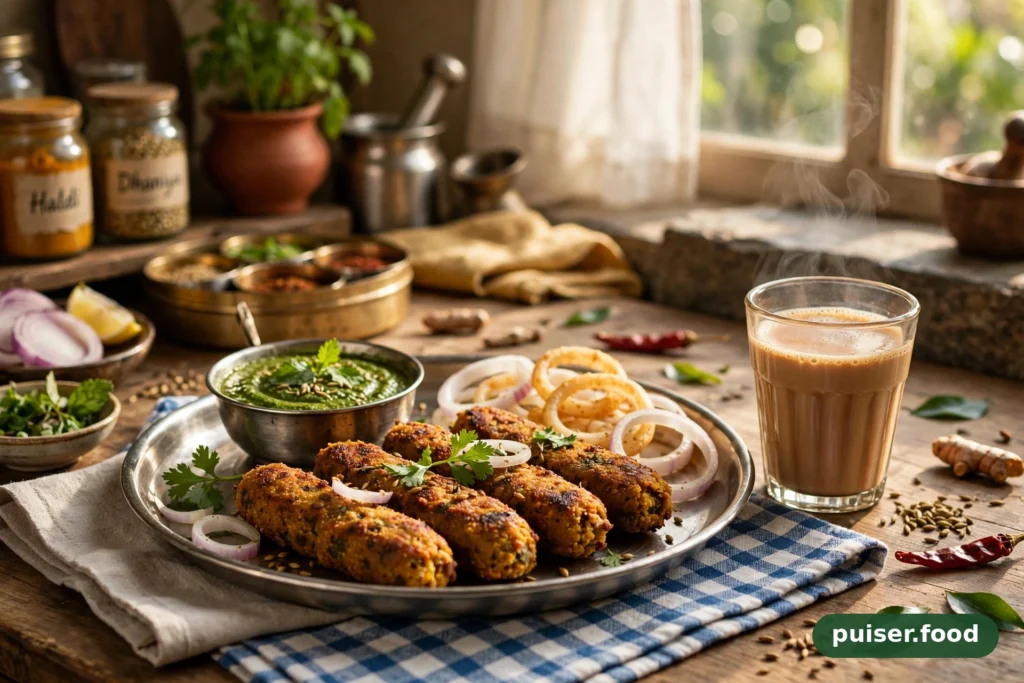
Rajma is more than the Sunday masala, and the bean works in five everyday dishes. First, the classic rajma masala with steamed rice, the plate this guide is built around. Second, rajma kebabs, made from mashed cooked beans with onion, green chilli and breadcrumbs, shallow fried and served with chutney. Third, rajma salad, with cooked beans, chopped onion, tomato, cucumber, lemon and chaat masala, a light lunch on its own. Fourth, rajma wraps, with the masala rolled in a roti with onion and curd, a good tiffin. Fifth, rajma soup, with cooked beans blended with tomato and cumin, a warming dinner for a cold evening.
The bean also works in chilli, in baked beans on toast, and in a Mexican style bowl with rice, corn and salsa. Plan it the night before, and it is no harder than any other bean. Our moong dal benefits guide covers the dal to cook when there was no time to soak.
Buying and Storing Rajma
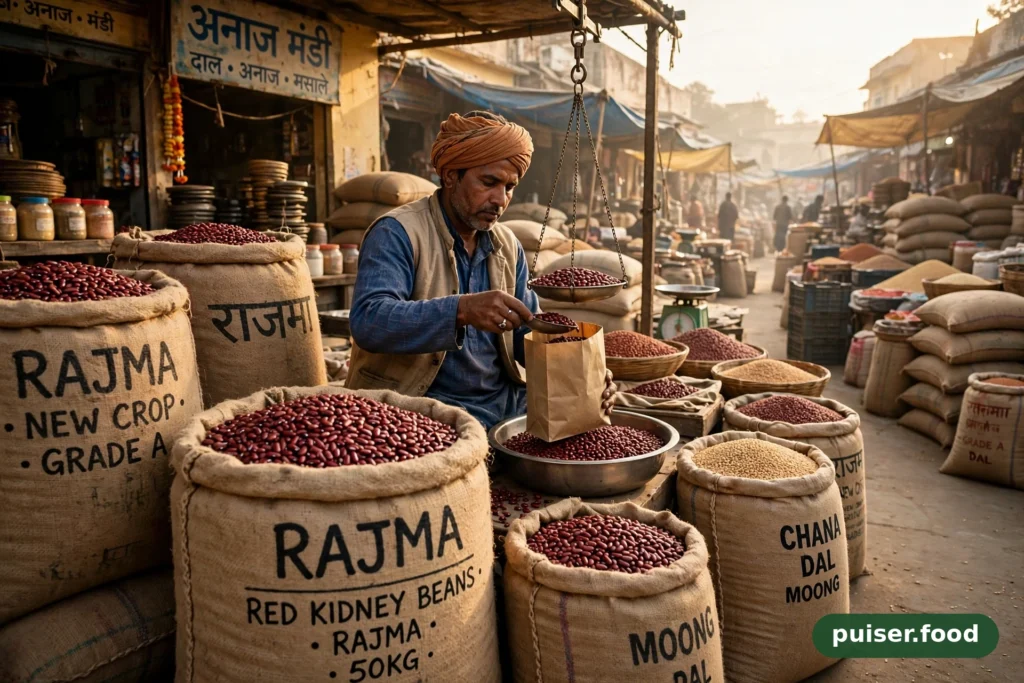
The rajma benefits survive or die on the age of the bean, so buy with your eyes open. Old rajma takes far longer to cook and never quite turns soft, no matter how long it boils. The beans should be whole and unbroken, with a deep even colour and no white patches, holes or dust. Check for weevils in hot weather, and prefer a shop that turns its stock over quickly.
Price is reasonable. Red kidney beans sell for about 120 to 200 rupees per kilo in India, with Kashmiri and Jammu varieties at the higher end. A kilo gives about 15 katoris of cooked rajma, so the cost is roughly 8 to 13 rupees a portion. Buy a kilo at a time and store it well, rather than small packets that cost more per kilo.
Store dry rajma in an airtight jar in a cool, dark place for six to eight months. Cooked rajma keeps for two days in the fridge, covered, and it freezes well for a month, though the texture softens a little on reheating. Soaked rajma keeps for a day in the fridge in a covered box. If the beans smell musty or look discoloured, throw them away.
5 Expert Tips
These five habits protect the rajma benefits and keep the pot worth waiting for. First, soak overnight, every time, and throw the soaking water away. Second, boil at a full rolling boil for at least 10 minutes, even in a pressure cooker, before turning the heat down. Third, add salt only after the beans have softened. Fourth, mash a spoonful of beans into the gravy to thicken it without cream. Fifth, eat it with rice and a vitamin C food, a tomato gravy or a lemon salad, so the protein is complete and the iron absorbs better.
Common Mistakes to Avoid
The most common mistake is skipping the soak, which leaves the beans hard, gassy and unsafe, because the lectin needs the soak and the full boil. The second is cooking raw beans in a slow cooker, which may never reach a full boil. The third is adding salt too early, which keeps the skins tough. The fourth is drowning the beans in a thin, watery gravy, which is fixed by mashing a spoonful of beans and simmering longer. The fifth is eating a huge portion of rice with a small spoon of rajma and calling it a rajma meal, when the bean should be at least a third of the plate.
Frequently Asked Questions
What are the main rajma benefits?
The main benefits are protein, fibre, iron and folate. A 100 g portion of cooked rajma gives about 8.7 g of protein, 6.4 g of fibre, 2.9 mg of iron and 130 mcg of folate for 127 kcal. With rice it gives complete protein, and it has a low glycaemic index of about 24.
How much rajma should I eat in a day?
One katori of cooked rajma, about 150 g, is a sensible portion for most adults. That gives about 13 g of protein, 9.6 g of fibre and 4.4 mg of iron. Eat it as the main protein of one meal, with rice, salad and curd, rather than at every meal of the day.
Do I need to soak rajma overnight?
Yes, soak dried rajma for at least 6 to 8 hours, or overnight, then throw the soaking water away and cook in fresh water. Soaking shortens the cooking time, reduces the gas forming compounds, and is part of making the beans safe. Without a soak, the beans stay hard and take far longer to cook.
Is rajma safe to cook in a slow cooker?
No, not from raw. Raw kidney beans contain phytohaemagglutinin, which needs a full rolling boil for at least 10 minutes to break down. A slow cooker may never reach a full boil, so the compound can survive. Boil the soaked beans properly first, then finish them in the slow cooker if you like.
Is rajma good for diabetes?
Rajma is a sensible choice for blood sugar, because its glycaemic index is about 24 and its fibre slows digestion. But it is not a treatment, and the rest of the plate matters. Keep the rice to one katori, load the plate with salad and vegetables, and check your blood sugar as your doctor advises.
Is rajma good for weight loss?
Rajma can help, because the protein and fibre keep you full for hours, so a katori with rice and salad works as a satisfying meal. It carries only 127 kcal per 100 g cooked, so the calories come mostly from the rice and the oil. Weight loss still comes from the whole diet and activity, not from one bean.
Does rajma cause gas?
Rajma can cause gas, because it contains oligosaccharides that gut bacteria ferment. Soaking overnight and throwing the soaking water away helps, as does cooking the beans until fully soft. Add hing and ginger to the tempering, start with a small katori, and increase the portion slowly over a few weeks.
Is rajma good for anaemia?
Rajma is a useful part of an iron aware diet, with about 2.9 mg of iron and 130 mcg of folate per 100 g cooked. But plant iron absorbs poorly, so eat it with vitamin C, like tomato or lemon, and keep tea away from the meal. Low haemoglobin needs a doctor, and food alone does not fix anaemia.
Is rajma better than other dals?
Rajma is not better, it is different. It gives more fibre per katori than most dals and a low glycaemic index, but masoor gives more protein and moong is far easier to digest. A good vegetarian diet rotates them through the week, using rajma once or twice and lighter dals on the other days.
How do I store cooked rajma?
Cooked rajma keeps for two days in the fridge in a covered container, and it freezes well for about a month, though the texture softens a little on reheating. Soaked rajma keeps for a day in the fridge. Dry rajma keeps for six to eight months in an airtight jar in a cool, dark place.
Conclusion
Rajma is the Sunday lunch that earns its place on the table twice over, once for the flavour and once for the nutrition. A katori gives solid protein, good fibre, useful iron and folate, all for a few rupees, and the rice on the plate completes the protein. The rajma benefits are real, but they are ordinary benefits, the kind that show up in a better lunch rather than in a miracle. Soak it overnight, boil it properly, and keep it on the weekly rotation.
Disclaimer: This article is for general information only and is not medical advice. If you have a medical condition, are pregnant or breastfeeding, or take regular medication, talk to your doctor before changing your diet.