Introduction
Amaranth is the tiny fasting grain that turns up as rajgira roti on a Navratri thali, as kheer at a family dinner, and as popped chikki in a tiffin box. Rajgira, also called ramdana, is not a true grain at all, and its seeds are smaller than a mustard seed, yet they carry more protein and iron than most grains on the Indian shelf. This guide covers the amaranth benefits that matter most, the protein story told honestly, the calcium figure kept in proportion, and the five best Indian ways to cook it.
In this article
- The short answer
- What amaranth actually is
- Amaranth in numbers
- 10 amaranth benefits worth knowing
- The complete protein claim, honestly
- Grain, flour and popped, red and pale
- Five everyday ways to use it
- Buying and storing amaranth
- 5 expert tips
- Common mistakes to avoid
- Frequently asked questions
- Conclusion
The Short Answer
The amaranth benefits that matter most are protein quality, iron and calcium, in a grain that is naturally gluten free and allowed on fasting days. Raw amaranth gives 13.6 g of protein, 7.6 mg of iron and 159 mg of calcium per 100 g, with 371 kcal and 6.7 g of fibre in the same weight. A 50 g serving, about a small katori of dry grain, gives 186 kcal, 6.8 g of protein and 3.8 mg of iron. The seeds must be cooked, the protein claim needs its honest half, and the calcium is a help, not a day’s worth.
What Amaranth Actually Is
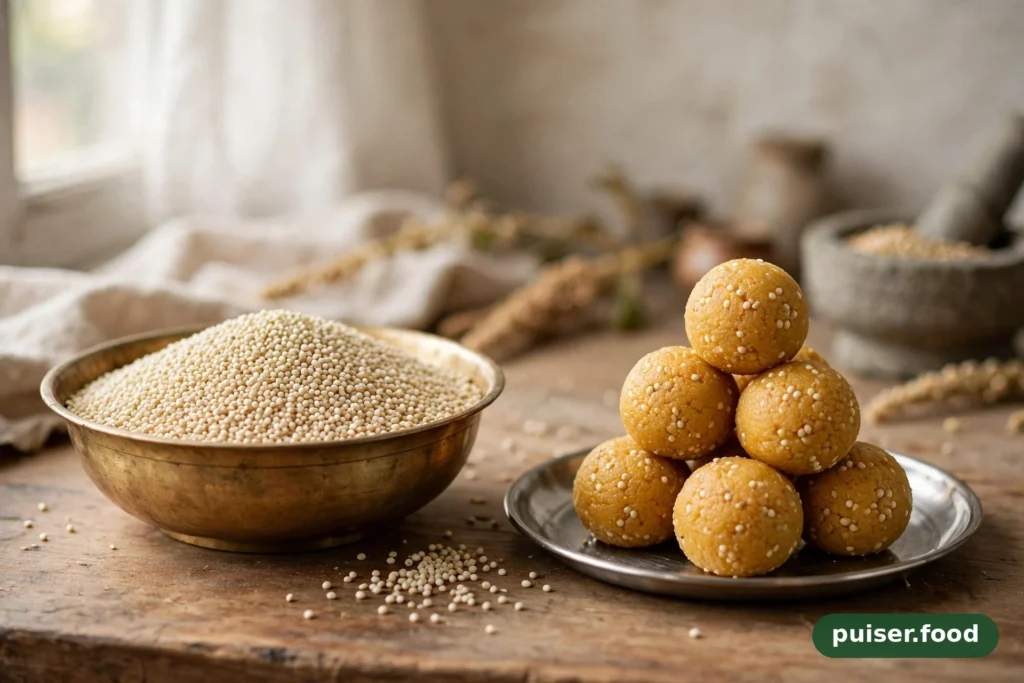
Amaranth is the seed of a leafy plant, not a cereal grass, which is why it is called a pseudocereal. Rajgira is the grain form, ramdana the popped seed, and the leaves are a separate food altogether, the chaulai saag sold in green bundles. The grain is tiny, pale gold or deep red, and it cooks into a soft, porridge-like grain that clings together. It grows in the hills of Uttarakhand and Himachal Pradesh, and it has been a fasting food for generations, because it is a seed, not a grain, and fasting rules allow it.
That a seed this small carries complete protein is the first thing to understand, because it is what separates amaranth from wheat and rice, and it is where the amaranth benefits start. The protein carries all nine essential amino acids, including lysine, the one most cereals lack. The grain also carries iron and calcium in amounts most grains cannot match, and it carries them with fibre and folate attached, so it works as a food and a fasting food at once.
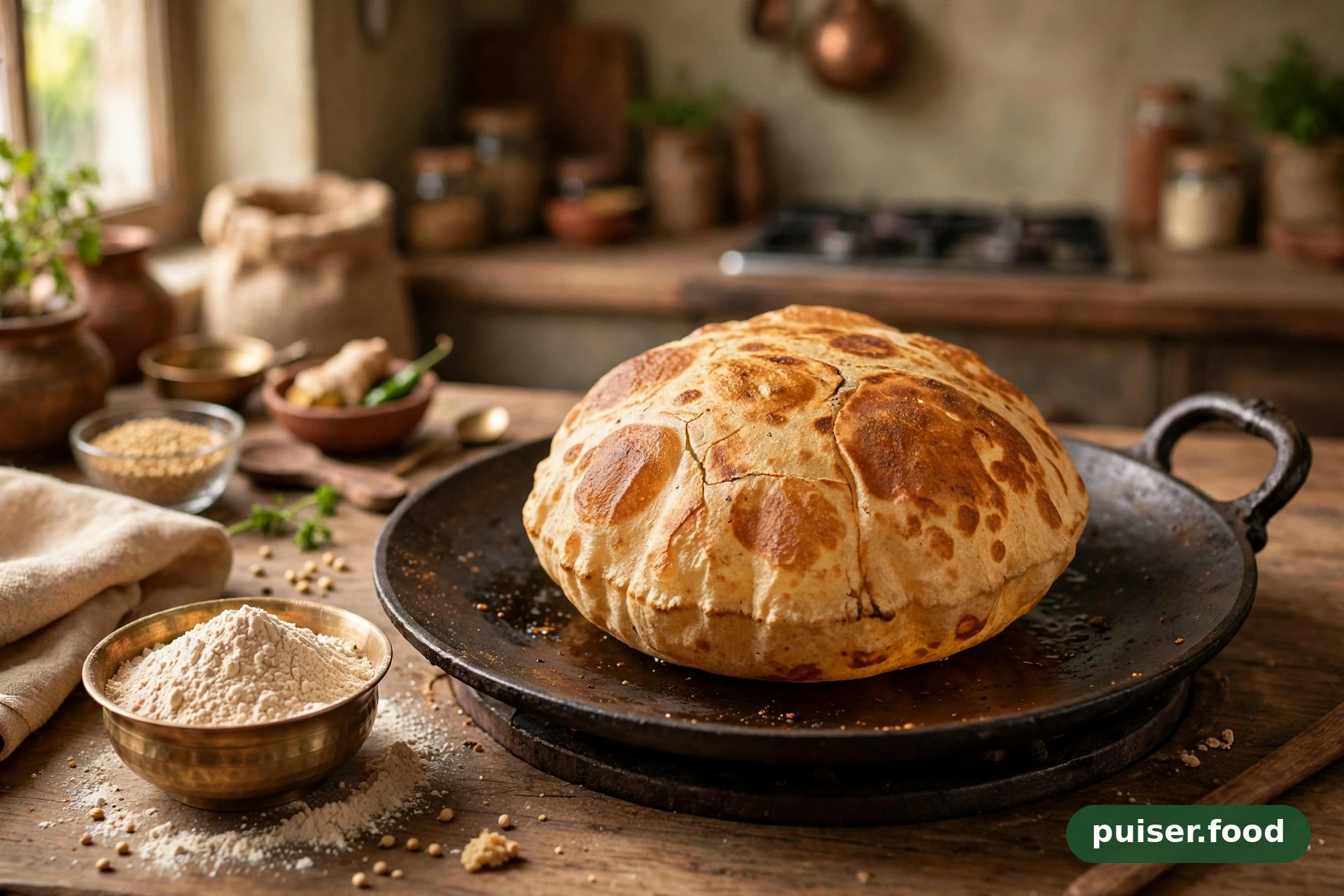
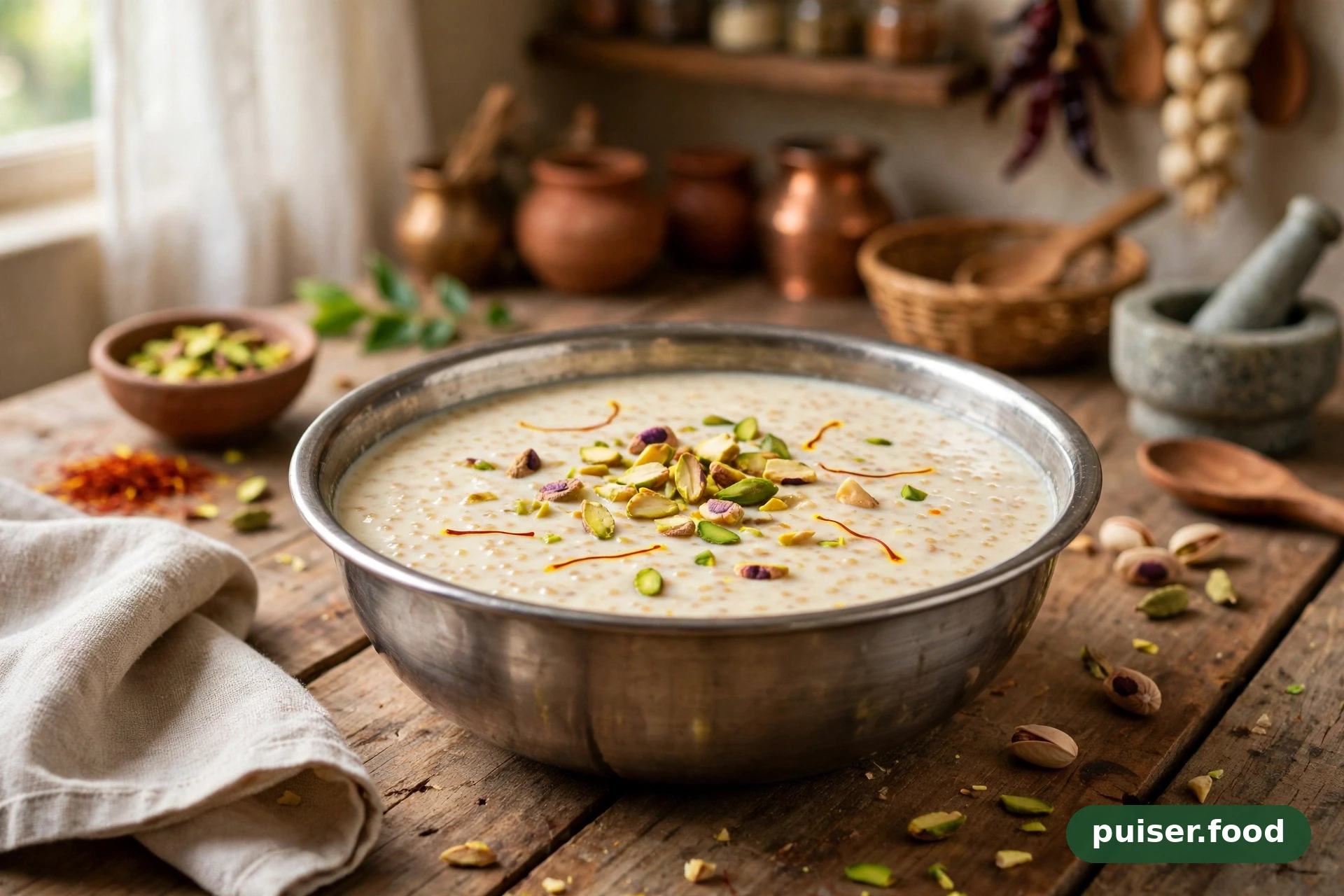
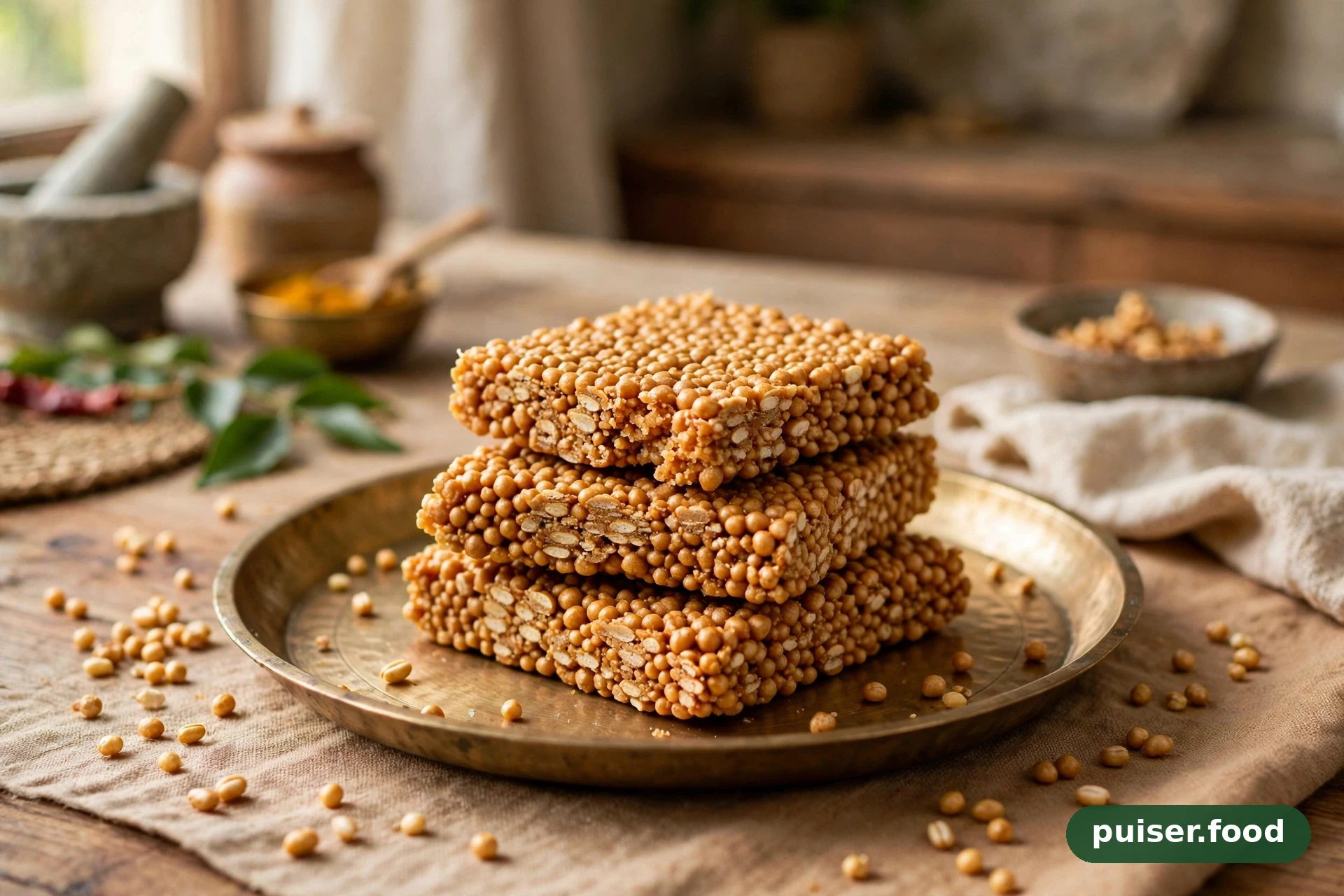
Amaranth is also the grain of the Indian fasting thali, in the rajgira roti of Navratri, in the kheer of a vrat dinner, in the chikki of a train journey and in the porridge of a winter morning. A bowl of rajgira kheer shows the grain at its best, soft and creamy and sweet without much sugar. The flour makes rotis and puris for fast days, and the popped grain makes laddoos and chikki that keep for weeks in a dabba.
Amaranth in Numbers
The numbers behind the amaranth benefits need a straight telling, because this time the USDA record is unusually clean. USDA FoodData Central holds a record for amaranth grain, FDC ID 170682, “Amaranth grain, uncooked”, from the SR Legacy dataset, and a cooked record, FDC ID 170683. The leaves are a separate record, FDC ID 168385 for raw leaves, and this guide uses grain figures only, with all figures per 100 g unless a portion is named.
| Nutrient, amaranth grain raw (per 100 g) | Amount |
|---|---|
| Energy | 371 kcal |
| Protein | 13.6 g |
| Fat | 7.0 g |
| Carbohydrates | 65.3 g |
| Fibre | 6.7 g |
| Calcium | 159 mg |
| Iron | 7.6 mg |
| Magnesium | 248 mg |
| Potassium | 508 mg |
| Folate | 82 mcg |
Three figures in that table do most of the work. Protein at 13.6 g per 100 g is the headline, higher than most grains, and iron at 7.6 mg per 100 g is the second. Calcium at 159 mg per 100 g is the third, high for a grain, though a serving gives only about 80 mg. Folate at 82 mcg per 100 g is the quiet figure, and magnesium at 248 mg per 100 g is the one most guides skip.
| Nutrient (per 100 g) | Raw grain (FDC 170682) | Cooked grain (FDC 170683) |
|---|---|---|
| Energy | 371 kcal | 102 kcal |
| Protein | 13.6 g | 3.8 g |
Cooking adds water, and water carries no nutrients, so every figure per 100 g falls. Raw grain gives 371 kcal per 100 g and cooked grain gives 102 kcal, and protein falls from 13.6 g to 3.8 g in the same weight. That is not a loss of nutrients, only dilution. A katori of cooked amaranth still carries the protein of the dry grain that went into the pot.
The portion table below turns the per 100 g figures into katoris. One cup of dry grain weighs 193 g, far more than a serving, and carries 716 kcal and 26.2 g of protein. The 50 g serving is the portion this guide uses everywhere, a small katori of dry grain that cooks into a full bowl.
| Portion of amaranth, dry grain | Energy | Protein | Fibre | Calcium | Iron |
|---|---|---|---|---|---|
| 50 g, a small katori | 186 kcal | 6.8 g | 3.4 g | 80 mg | 3.8 mg |
| 100 g | 371 kcal | 13.6 g | 6.7 g | 159 mg | 7.6 mg |
| 193 g, one cup dry | 716 kcal | 26.2 g | 12.9 g | 307 mg | 14.7 mg |
The form changes the cooking, not the nutrition. Grain, flour and popped seed from the same plain pack carry the same figures per 100 g of dry grain. Popping adds nothing and takes nothing away, and only a chikki or laddoo moves the figures, with jaggery pushing the sugars up. Read the ingredients, not the colour.
| Grain (per 100 g raw) | Energy | Protein | Fibre | Calcium | Iron |
|---|---|---|---|---|---|
| Amaranth (USDA FDC 170682) | 371 kcal | 13.6 g | 6.7 g | 159 mg | 7.6 mg |
| Foxtail millet (IFCT 2017) | 351 kcal | 12.3 g | 8.0 g | 31 mg | 2.8 mg |
| Ragi, finger millet (IFCT 2017) | 321 kcal | 7.2 g | 11.2 g | 364 mg | 4.6 mg |
| Brown rice (USDA) | 362 kcal | 7.5 g | 3.4 g | 33 mg | 1.8 mg |
Amaranth leads on protein and iron, ragi leads on calcium, and foxtail millet leads on fibre, so no single grain wins every row. Our foxtail millet benefits guide covers the millet with the highest protein of the common millets, and our ragi benefits guide covers the calcium leader of the Indian shelf. Our brown rice vs white rice guide compares the two rices in the same way, and our millets for daily diet guide shows how to rotate these grains through the week.
10 Amaranth Benefits Worth Knowing
Here are the ten amaranth benefits worth knowing, in the order a home cook would care about them. Each one is tied to a number from the tables above or to a caution named in the text, and each one belongs to the cooked grain, not the raw seed.
1. Protein quality that stands out
The first of the amaranth benefits is the protein quality. Amaranth gives 13.6 g of protein per 100 g of raw grain, and the protein carries all nine essential amino acids, including lysine, which wheat and rice lack. A 50 g serving gives 6.8 g of protein, a useful share of a vegetarian meal. The quantity is still smaller than a dal, and the honest half of the claim is told below.
2. Iron, more than most grains
Amaranth gives 7.6 mg of iron per 100 g of raw grain, more than most grains and millets, and a 50 g serving gives 3.8 mg. Iron helps the body make red blood cells and carry oxygen. Plant iron absorbs slowly, so eat amaranth with a vitamin C food in the same meal, a lemon squeezed over khichdi or a tomato in the tempering, and the body takes up more of it.
3. Calcium, high for a grain
Amaranth gives 159 mg of calcium per 100 g of raw grain, high for a grain, and a 50 g serving gives about 80 mg. Calcium supports bones and teeth. The honest half is the portion. An adult needs about 1,000 mg of calcium a day, so one serving gives less than a tenth of it, and amaranth is a help to the day’s calcium, not the day’s calcium.
4. Fibre that keeps you full
Amaranth gives 6.7 g of fibre per 100 g of raw grain, and a 50 g serving gives about 3.4 g. Fibre slows digestion, keeps you full for longer, and supports gut health. The grain’s fibre is the quiet reason a small katori of porridge satisfies more than a plate of white rice of the same calories, and it is why amaranth suits a light dinner.
5. Magnesium in a small serving
Amaranth gives 248 mg of magnesium per 100 g of raw grain, and a 50 g serving gives 124 mg. Magnesium helps muscles relax, supports steady energy, and plays a part in hundreds of reactions in the body. Most Indian diets run short of it, and a grain that carries this much in a small serving is an easy way to close the gap.
6. Potassium that balances the meal
Amaranth gives 508 mg of potassium per 100 g of raw grain, and a 50 g serving gives 254 mg. Potassium helps the body balance fluids and supports healthy blood pressure. The figure sits beside very little sodium in the grain itself, and that balance is the useful part, because most processed food gives the opposite.
7. Folate, the quiet contributor
Amaranth gives 82 mcg of folate per 100 g of raw grain, and a 50 g serving gives 41 mcg. Folate helps the body make new cells and supports healthy blood, and it matters most in pregnancy. The grain is not a folate food on its own, only a steady contributor, and leafy vegetables in the same meal add far more.
8. Gluten free and fasting friendly
Amaranth is naturally gluten free, because it is a seed, not a wheat, and it is allowed on fasting days for the same reason. That makes it one of the few grains a person with coeliac disease can eat without worry, and one of the few flours a fasting kitchen can use for rotis, puris and cheelas. Check the pack for a gluten free label if the flour is milled in a shared mill.
9. Slow, steady energy
Amaranth gives 65.3 g of carbohydrates per 100 g of raw grain, with 6.7 g of fibre alongside, and a 50 g serving gives 186 kcal. The fibre slows the carbohydrates down, so the energy lasts longer than the same calories from white rice. That is why a katori of amaranth porridge suits a morning that runs long, and why it works as a light dinner.
10. One grain, three forms
Amaranth cooks as a grain, grinds into a flour, and pops into a light seed, and the three forms cover breakfast, lunch and snacks. The grain makes porridge and khichdi, the flour makes rotis and cheelas, and the popped seed makes chikki and laddoos. Few grains stretch that far, and the grain keeps for months in a jar, so a single pack covers many meals.
The Complete Protein Claim, Honestly
The complete protein story is the part of the amaranth benefits that most often gets told wrong, so it deserves a straight telling, along with the calcium and raw seed stories beside it. None of the three is a reason to skip amaranth, only to cook it right and count it right.
The complete protein claim
Amaranth is called a complete protein because its protein carries all nine essential amino acids, the ones the body cannot make. Most cereals lack lysine, and amaranth has it, which is a real difference. The claim is about quality, not quantity. Amaranth gives 13.6 g of protein per 100 g of dry grain, while dals give far more protein by the same weight, so a katori of amaranth is not a substitute for a katori of dal. Treat amaranth as a grain with better protein, and pair it with dal, curd or milk for the quantity.
The calcium figure, kept in proportion
Calcium at 159 mg per 100 g looks like a lot, and for a grain it is. A 50 g serving gives about 80 mg, and an adult needs about 1,000 mg a day, so one serving gives less than a tenth of the day. Amaranth helps the day’s calcium, and it does not carry it. Ragi gives more than twice the calcium per 100 g, and curd and milk give far more per serving, so count amaranth as one contributor among several.
The raw seed caution
Raw amaranth seeds carry oxalates and nitrates, compounds that sit in the seed and fall with cooking. Eat the grain cooked, never raw, and never eat the flour raw either, in a dough or a batter tasted before cooking. Cooking also softens the tiny seeds, which are hard and gritty when raw. Rinse the grain, cook it until soft, and the caution is done.
Grain, Flour and Popped, Red and Pale
The amaranth benefits do not change much between the forms on the shelf, because the grain is the same, but they change between the ways it is cooked. The grain, the flour and the popped seed are the three forms, and each suits a different dish. Pale gold grain is the commonest, and the deep red grain, sometimes sold as red amaranth, cooks the same and colours the water a little. The red is a variety, not a better grain.
The grain is the whole seed, and it makes porridge, khichdi and kheer. The flour is the grain ground fine, and it makes rotis, puris and cheelas, though it has no gluten, so the dough needs hot water and a gentle hand. The popped seed is the grain heated in a dry kadhai until it puffs, and it makes chikki, laddoos and a crunchy topping for curd. Buy the grain for cooking, the flour for fasting rotis, and the popped seed only when the dish needs it.
Five Everyday Ways to Use It
The amaranth benefits show up best in five everyday dishes, each one using a small serving rather than a bowlful, with the grain at 50 g or less per serving.
1. Rajgira roti with curd
Knead rajgira flour with hot water and a pinch of salt into a soft dough, rest it for ten minutes, then pat small rotis on a greased plastic sheet and roast them on a hot tawa with a little ghee until both sides turn golden. The flour has no gluten, so the rotis stay small and thick, and they tear easily if rolled thin. Serve hot with curd and a sabzi, on a fasting day or any day.
2. Rajgira kheer with cardamom
Simmer a small katori of amaranth grain in milk on a low flame, stirring often, until the grains turn soft and the milk thickens, then add cardamom and a little jaggery and finish with chopped pistachios. The grain gives the kheer its body, so it needs less sugar than a rice kheer. Serve warm in a steel bowl, or chill it for a summer dessert.
3. Popped amaranth chikki
Heat a heavy kadhai and pop the grain a spoonful at a time, then boil jaggery with a little water into a syrup, mix in the popped grain, and press the mix flat on a greased plate before it sets. Cut into squares while warm, and the chikki keeps for weeks in a dabba. The jaggery is the sugar in the dish, so a small square is the portion.
4. Amaranth porridge with banana
Simmer the grain in milk or water on a low flame until it turns soft and creamy, then add a pinch of salt and a spoon of jaggery or chopped dates, and serve with sliced banana or a few nuts. The porridge needs no soaking and cooks in one pot, which makes it an easy breakfast. A small bowl is enough, because the grain swells as it cooks.
5. Amaranth khichdi with moong dal
Cook the grain with moong dal and chopped vegetables in a pressure cooker or a pot, then temper with cumin, ginger and ghee, and finish with lemon and coriander. The dal adds the protein the grain lacks in quantity, and the lemon helps the body take up the iron. Serve hot with curd, as a light lunch or a fasting dinner.
Buying and Storing Amaranth
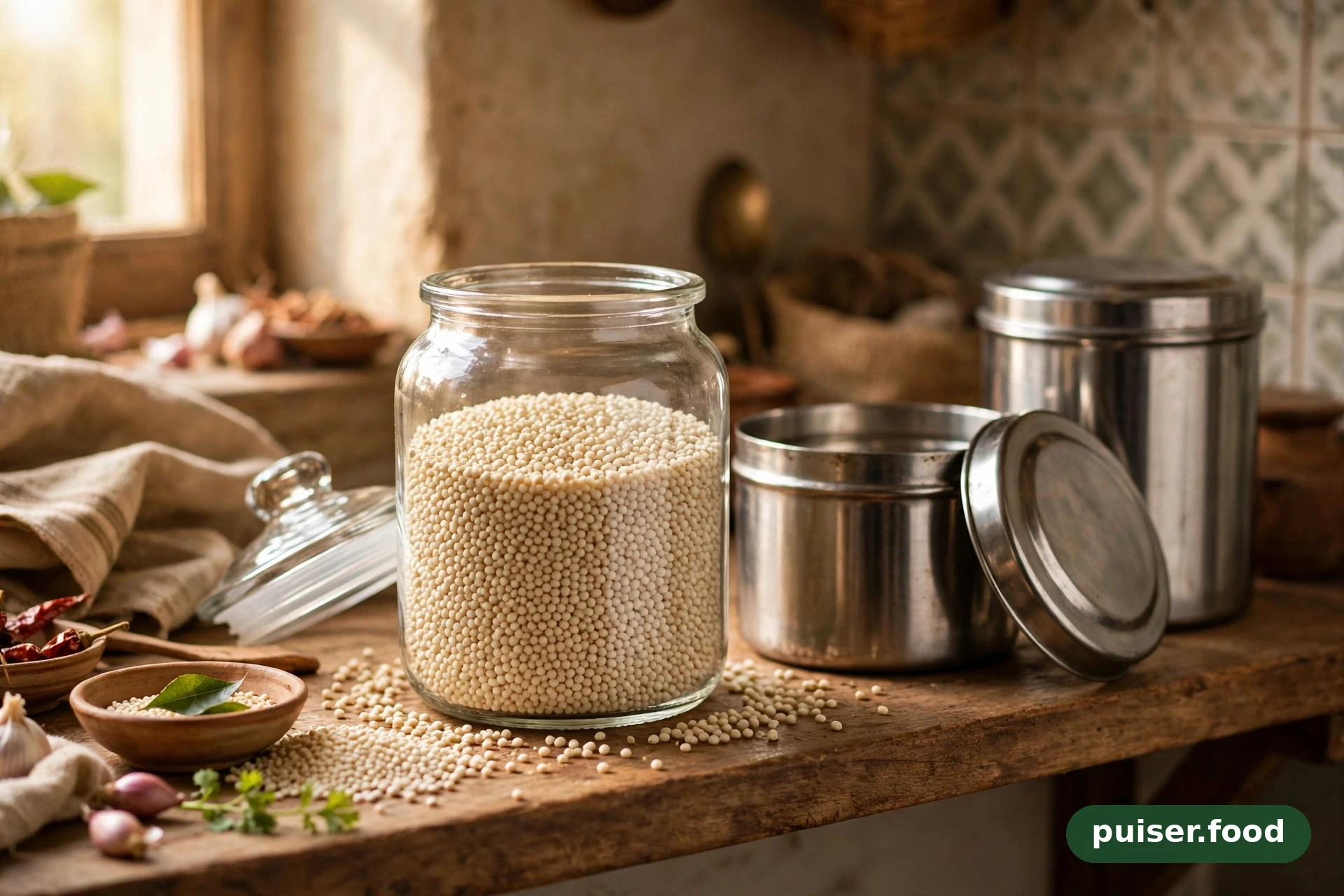
The amaranth benefits survive or die on the label, so buy by the label, not by the price alone. The ingredients list should read amaranth, and a pack that lists anything else is a mix. Whole grain keeps longest, and flour goes stale fastest because the grain carries 7.0 g of fat per 100 g, so buy flour in small packs and use it within weeks. Popped grain should list only amaranth, and a chikki or laddoo pack lists jaggery too, which is fine as long as you count it as a sweet.
For the pantry, our Organic Amaranth Grain is the plain whole grain in the Puiser shop, made for the roti, the kheer and the khichdi. Our guide to eating organic on a budget in India shows how a grain like this fits a weekly shop without raising it. Store the grain in an airtight jar in a cool, dark place, where it keeps for months, and keep flour in the fridge once opened. Throw the grain away if it smells stale or rancid, or if it shows mould.
5 Expert Tips
1. Rinse before cooking. Rinse the grain in a sieve under running water before it goes into the pot, because the tiny seeds carry dust, and the rinse takes it off.
2. Cook it until soft. Cook the grain until the seeds turn translucent and soft, and add a little more water if the pot runs dry, because undercooked amaranth stays gritty.
3. Pop a spoonful at a time. Pop the grain in a hot, dry kadhai a spoonful at a time, because a full cup cools the kadhai and half the seeds stay hard.
4. Pair iron with vitamin C. Eat amaranth with lemon, tomato or amla in the same meal, because vitamin C helps the body take up the plant iron in the grain.
5. Count the 50 g serving. Count a small katori of dry grain, about 50 g, into the pot and put the pack away, because the grain swells as it cooks and a second katori is easy to add by mistake.
Common Mistakes to Avoid
Eating it raw. Raw seeds carry oxalates and nitrates, and they are hard and gritty. Cook the grain and the flour both, and never taste raw dough.
Counting it as a protein food. Amaranth gives 13.6 g of protein per 100 g, while dals give far more by weight. Pair it with dal or curd, and do not let it carry the meal’s protein alone.
Treating calcium as a day’s worth. A 50 g serving gives about 80 mg of calcium, less than a tenth of the day’s need. Count it as one contributor, beside curd, milk and ragi.
Calling jaggery chikki a health food. Popped amaranth is a light grain, and chikki is a sweet, because the jaggery is sugar. A small square is a treat, not a health snack.
Keeping flour open for months. Amaranth flour carries more fat than most flours, so it turns rancid in an open pack. Buy small packs, seal them tight, and use them within weeks.
Frequently Asked Questions
What are the main benefits of amaranth?
Amaranth benefits centre on protein quality, iron and calcium, with raw grain giving 13.6 g of protein, 7.6 mg of iron and 159 mg of calcium per 100 g. The protein carries all nine essential amino acids, and the grain is naturally gluten free. The portion is a 50 g serving a day.
Is amaranth good for daily eating?
Yes, amaranth suits daily eating in a small portion, because it is a whole grain with protein, fibre, iron and folate, and it cooks into porridge, khichdi and rotis. Rotate it with other grains through the week rather than eating it at every meal. A 50 g serving of dry grain a day is a sensible portion.
Is amaranth good for diabetes?
Amaranth gives 65.3 g of carbohydrates per 100 g, with 6.7 g of fibre alongside, so a serving affects blood sugar and counts as the grain of the meal. The fibre slows it down, and pairing it with dal and vegetables helps further. People with diabetes should ask their own doctor about portions before eating it daily.
Can I eat amaranth during fasting?
Yes, amaranth is allowed on fasting days, because it is a seed rather than a cereal grain, and rajgira roti, kheer and cheelas are fasting staples across India. The grain is naturally gluten free as well. Eat it cooked, in the usual 50 g serving, and pair it with curd or fruit for a full fasting meal.
Is amaranth gluten free?
Yes, amaranth is naturally gluten free, because it is the seed of a leafy plant and not a wheat, barley or rye grain. The flour makes safe rotis and cheelas for people who avoid gluten. Buy packs labelled gluten free when the flour is milled in a shared mill, because cross contact is possible there.
How much amaranth should I eat in a day?
About 50 g of dry grain a day, a small katori, is the daily portion this guide uses, with about 186 kcal, 6.8 g of protein and 3.8 mg of iron. The grain swells as it cooks, so a small katori of dry grain makes a full bowl. Eating more on some days is fine, but count the dry grain.
Is amaranth good for weight loss?
A 50 g serving, about 186 kcal, suits a weight loss diet better than a plate of white rice of the same calories, because the fibre makes it filling. The catch is the portion. Amaranth swells as it cooks, so a second katori adds up fast, and jaggery chikki is a sweet, not a diet food.
Is amaranth good for children?
Children can eat amaranth in small servings, and the soft porridge and kheer suit young children well, because the grain cooks soft and carries iron and calcium. The popped grain makes a light snack, and the flour makes rotis for tiffin. Keep the portion small, and cook the grain fully before serving it.
Is amaranth better than rice?
Amaranth gives more protein, iron and calcium per 100 g than rice, with 13.6 g of protein against about 7 g in rice, and it is gluten free. Rice is cheaper and easier to cook, and it suits every meal. Amaranth works best as a rotation grain, eaten a few times a week beside rice rather than instead of it.
Does amaranth have side effects?
The main caution is the raw seed. Raw amaranth carries oxalates and nitrates, so eat the grain cooked, never raw, and cook the flour too. Some people find the grain heavy in large servings, and the popped chikki carries jaggery sugar. People with a kidney condition that limits oxalates should ask their doctor first.
Conclusion
Amaranth earns its place in the pantry when the grain is cooked, the portion is a small katori, and the protein claim is kept honest. The amaranth benefits, protein quality, iron and calcium, make it a better grain than white rice for a fasting day or a light dinner, and the roti, the kheer and the khichdi give it five easy uses. Try a small katori in khichdi, in porridge or over curd.
Disclaimer: This article is for general information only and is not medical advice. If you have a gluten disorder, diabetes, or a kidney condition that limits oxalates, talk to your doctor before making amaranth a daily habit.