

Introduction
How to eat organic on a budget in India is a question most Indian families ask once they start reading labels. Organic food costs more, often 20 to 50 percent more than conventional food, and a full switch can feel out of reach. The good news is that you do not need to buy everything organic. With a few smart choices, seasonal shopping and some homemade staples, you can eat mostly organic without doubling your grocery bill. This guide explains what organic means in India, what to buy organic first, where to shop, and 12 ways to keep the cost down.
In this article
- What does organic mean in India?
- Why does organic food cost more?
- What to buy organic first
- How to eat organic on a budget in India: 12 ways that work
- Where to buy organic food in India
- Seasonal organic calendar
- A sample budget organic week
- Storage and food safety
- Common mistakes to avoid
- Frequently asked questions
- Conclusion
What does organic mean in India?
Organic food in India is food grown without synthetic pesticides, chemical fertilisers, genetically modified seeds or artificial preservatives. Under the Food Safety and Standards (Organic Foods) Regulations, 2017, food can be called organic only if it follows the National Programme for Organic Production (NPOP) or the Participatory Guarantee System (PGS-India).
Look for these marks on the pack. The India Organic logo is the NPOP certification mark, and it is the one you will see most often. The Jaivik Bharat logo is the FSSAI mark for organic food, and PGS-India is a system in which local groups certify small farmers. A unified India Organic logo is also appearing on newer packs.
If a pack says organic or natural but carries no certification mark, treat it as an ordinary product. The word natural is not regulated in India, and it does not mean organic. The same goes for farm fresh, pure and chemical free with no logo. They sound good, but they prove nothing.
Why does organic food cost more?
Organic food in India typically costs 20 to 50 percent more than conventional food. One Indian buying guide puts the average premium for organic produce at around 21 percent, while other guides give the wider 20 to 50 percent range. Staples such as rice and dal usually carry a smaller premium than out of season vegetables or imported fruit.
The gap has real reasons. Certification costs money, and farmers pay for inspections and paperwork every year. Organic farming needs more labour, since weeds and pests are managed by hand instead of chemical sprays. Yields are often lower, and small farms cannot match conventional supply chains, so transport and storage cost more.
Once you know why the gap exists, you can see how to eat organic on a budget in India without paying it on everything. Pay the premium only where it matters most, and save on the rest with seasonal shopping, bulk buying and cooking at home.
What to buy organic first
If your budget is tight, do not try to switch everything at once. Start with the foods you eat most often and the ones most likely to carry pesticide residue. An FSSAI surveillance report found pesticide residues beyond permissible limits in some conventional produce, particularly leafy vegetables such as spinach, coriander and methi.
Use the table below as a practical guide. It is a shortlist based on how the food is grown and how it is eaten, not an official government ranking. Residue levels vary by farm and season, and washing helps in every case.
| Priority | Buy organic first | Buy conventional to save |
|---|---|---|
| High | Leafy greens (palak, methi, coriander), tomatoes, apples, grapes, bell peppers, strawberries | Onions, bananas, cabbage, cauliflower, pumpkin |
| Medium | Rice, wheat, milk and dairy, cooking oil | Potatoes, peas, sweet potato, brinjal |
| Lower | Pulses and lentils | Fruits with thick peel that you remove, such as mango and orange |
Start at the top of the table. When the high priority foods are covered, move to rice, wheat, milk and oil, since you use them every day. Pulses can wait, because they are washed, soaked and cooked well. If you want to learn how to eat organic on a budget in India, this list is the place to start.
How to eat organic on a budget in India: 12 ways that work
These 12 ways work together. Pick three or four to start with, and add more as they become habits.
1. Start with the staples you eat every day
Switch the foods you eat daily before anything else. For most Indian families, that means rice or wheat, one dal, cooking oil and milk. Organic options for these are easy to find, and the price gap is usually smallest here.
2. Buy what is in season
Seasonal organic produce is cheaper because it is abundant and does not travel far. Out of season tomatoes or strawberries cost far more, organic or not. Plan meals around what is growing now.
3. Buy staples in bulk
Rice, dal, wheat, millets and spices are cheaper per kilo in larger packs. A 5 or 10 kilo bag of organic rice usually costs less per kilo than a 1 kilo pack. Buy only what you can store well and use within a few months.

4. Shop at mandis and organic haats
The mandi is often the cheapest place to buy vegetables. Government promoted organic haats are the cheapest certified option, with weekly markets in Delhi, Mumbai and Bengaluru. Check apeda.gov.in for locations, and note that mandi prices often drop late in the day.
5. Buy direct from farmers
Cutting out middlemen lowers the price. Farm subscription boxes such as Farmer’s Fresh Zone and Farmizen deliver weekly seasonal boxes direct from certified farms. You can also buy from farmers at weekend markets or through local organic groups.
6. Make ghee, paneer and butter at home
Organic ghee, paneer and butter are among the most expensive organic products in a shop. Making them at home from ordinary milk costs far less. Try our guides to making desi ghee at home, homemade paneer and butter from malai.

7. Build meals around millets and dal
Millets and dal are some of the cheapest nutritious foods in India, and organic versions are easy to find. A meal of dal, rice and seasonal sabzi costs little and needs no expensive ingredients. Read our guide to millets for daily diet for the types and how to use them.
8. Grow a little at home
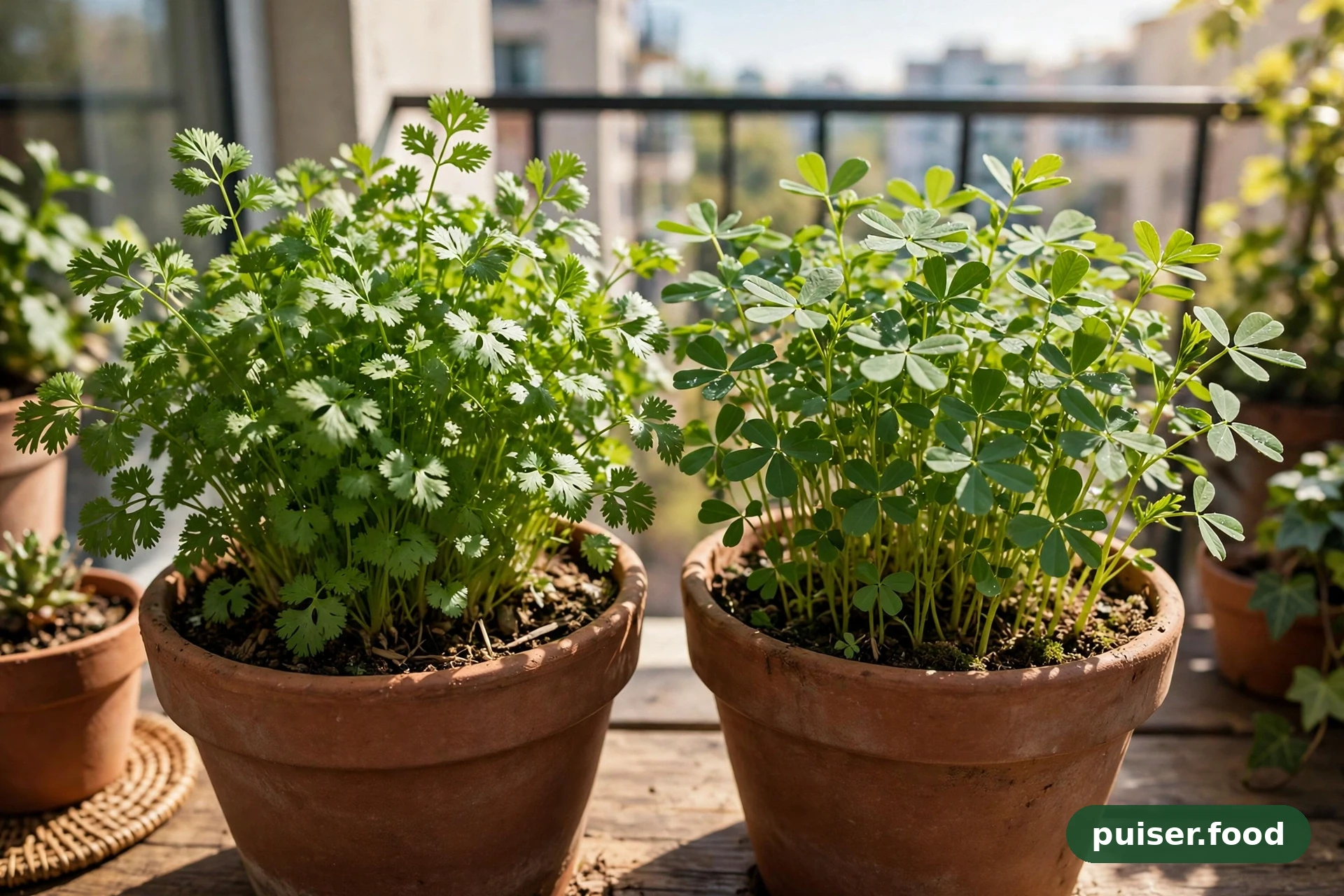
You do not need a farm. Coriander, methi, mint, curry leaves, chillies and tomatoes grow well in pots on a balcony or terrace. Use compost and no chemical sprays. Even a few pots cut your spending on herbs and greens.
9. Plan meals and waste nothing
Food waste is wasted money. Plan the week’s meals before shopping, buy only what the plan needs, and cook in batches. Use vegetable stems and leaves in sabzi and dal instead of throwing them away. Turn leftover rice into fried rice or curd rice.
10. Compare prices and try local brands
Organic prices vary a lot between shops, apps and brands. Compare the same product in two or three places before buying. Local organic brands often cost less than premium national brands for the same certified quality. Check the certification mark, not the brand name.
11. Skip packaged organic snacks
Packaged organic snacks, ready meals and health drinks carry the biggest markups in the organic aisle. A packet of organic biscuits costs far more than the same ingredients bought loose. Spend your organic budget on real food: grains, dal, vegetables, milk and oil.
12. Freeze and preserve seasonal buys
When seasonal organic produce is cheap, buy extra and preserve it. Peas, corn and beans freeze well. Tomatoes can be cooked into puree and frozen. Pickles and murabba keep seasonal fruit for months.
Where to buy organic food in India
Knowing how to eat organic on a budget in India also means knowing where the cheapest certified food is sold.
| Where to buy | Good for | What to watch |
|---|---|---|
| Organic haats (APEDA promoted) | Certified produce direct from farmers, usually the lowest prices | Weekly markets in Delhi, Mumbai and Bengaluru; check apeda.gov.in for locations |
| Farmers markets and mandis | Seasonal vegetables, direct from growers | Prices often drop late in the day; ask sellers about their farm |
| E-commerce (Bigbasket, Amazon Fresh, Flipkart) | Certified staples delivered to your door | Filter by the Jaivik Bharat or India Organic mark, not the platform’s own organic tag |
| Speciality stores (Nature’s Basket, Organic Tattva, Conscious Food) | Full certified ranges with reliable sourcing | Higher prices; best for staples you cannot find elsewhere |
| Supermarkets (Reliance Smart, DMart) | Everyday organic staples | Check the logo on each pack, not the shelf label |
| Farm subscription boxes (Farmer’s Fresh Zone, Farmizen) | Weekly seasonal boxes direct from farms | Good value for regular buyers; check what is in the box before subscribing |
Wherever you shop, check the certification mark on each pack. The mark on the pack is what counts.
Seasonal organic calendar
Buying in season is the easiest way to keep organic food affordable. This calendar is a general guide for India, and exact months vary by region, so follow what is abundant in your local market.
| Season | Months | Cheapest organic picks |
|---|---|---|
| Summer | March to June | Mango, watermelon, cucumber, bottle gourd, okra, brinjal |
| Monsoon | July to September | Corn, okra, beans, leafy greens, bitter gourd, pumpkin |
| Winter | October to February | Carrots, peas, cauliflower, spinach, citrus fruits, amla |
Winter is the best season for budget organic shopping, with leafy greens, root vegetables and citrus all in season at once. Amla is a winter fruit worth buying fresh while it is cheap. Read our guide to amla benefits to see why.

A sample budget organic week
This sample week shows how to eat organic on a budget in India without cooking anything fancy. It uses organic rice, dal, seasonal vegetables and homemade dairy. Swap vegetables by season and availability.
| Day | Lunch | Dinner |
|---|---|---|
| Monday | Dal, rice, seasonal sabzi, curd | Roti, palak paneer, salad |
| Tuesday | Khichdi with vegetables, curd, papad | Roti, chana masala, rice |
| Wednesday | Rajma, rice, salad | Roti, aloo gobi, dal |
| Thursday | Millet khichdi, kadhi, sabzi | Roti, moong dal, seasonal sabzi |
| Friday | Dal, rice, bhindi sabzi, curd | Roti, paneer bhurji, salad |
| Saturday | Chole, rice or bhature, salad | Roti, mixed vegetable sabzi, dal |
| Sunday | Vegetable pulao, raita, salad | Roti, dal makhani, seasonal sabzi |
A glass of turmeric milk at night is a simple, cheap way to end the day. One Indian buying guide estimates that going organic on just four or five items adds about 400 to 600 rupees a month to a 3,000 rupee grocery spend. Prices vary by city and season.
Storage and food safety
Wash all produce, organic or not, under running water. Soak leafy greens for a few minutes, then rinse well. Peel fruits and vegetables where the peel is not eaten.
Store rice, dal, wheat and millets in airtight jars in a cool, dry place. Keep cold pressed oils in a cool, dark place and use them within a few months of opening. Our guide to cold pressed coconut oil uses has storage tips that apply to most cooking oils.
Homemade dairy needs care. Fresh paneer keeps for 2 to 3 days in the fridge. Homemade butter keeps for 2 to 3 days, or up to a week if washed well. Ghee keeps about 3 months at room temperature in a dry jar with a dry spoon, and about a year in the fridge. If anything smells sour or looks off, throw it away.
Do not store cut vegetables for long. Cook them the same day when you can, and keep leftovers covered in the fridge. Reheat food fully before eating it again.
Common mistakes to avoid
Most money wasted on organic food comes from a few avoidable mistakes.
Trying to switch everything at once. A full switch in one week can double the grocery bill. Switch one category a month, starting with the high priority foods in this guide.
Trusting the word organic without a mark. Packs that say organic, natural, farm fresh or pure with no certification mark are not certified organic. Check for the India Organic, Jaivik Bharat or PGS-India mark.
Buying out of season produce. Out of season organic vegetables cost the most and taste the least. Plan meals around the seasonal calendar instead.
Ignoring local and store brands. Premium national brands are not the only certified option. Local brands and store brands often carry the same certification for less money.
Buying packaged organic snacks. Organic biscuits, chips and ready meals carry the biggest markups and the least nutrition. Spend the budget on grains, dal, vegetables, milk and oil instead.
Wasting food. Throwing away vegetables, stale rotis or leftover dal wastes the premium you paid. Plan meals, cook in batches and use every edible part.
Frequently asked questions
Is organic food really more expensive in India?
Yes, usually. Organic food in India typically costs 20 to 50 percent more than conventional food, because certification, manual labour and smaller yields raise the cost. The gap is smallest on staples such as rice and dal, and widest on out of season vegetables and imported fruit. Buying selectively keeps the extra cost low.
How do I know if food is truly organic in India?
Check the pack for a certification mark. Genuine organic food in India carries the India Organic logo, the FSSAI Jaivik Bharat logo, or PGS-India certification. A newer unified India Organic logo is also appearing on packs. If a product only says natural or organic with no mark, it is not certified organic.
Which foods should I buy organic first?
Start with the foods you eat most and those that carry the most residue. Leafy greens such as palak, methi and coriander come first, followed by tomatoes, apples, grapes and bell peppers. Then switch rice, wheat, milk and cooking oil, since you use them daily. Onions, bananas and cabbage can stay conventional.
Can I eat organic on a low budget in India?
Yes. Focus on a few high priority foods instead of switching everything. Buy seasonal vegetables, buy rice and dal in bulk, shop at mandis and organic haats, and cook at home. One Indian guide estimates that going organic on just four or five items adds about 400 to 600 rupees a month to a 3,000 rupee grocery spend.
Where can I buy cheap organic food in India?
Government promoted organic haats are usually the cheapest certified option, with weekly markets in Delhi, Mumbai and Bengaluru. Farmers markets and mandis come next, especially late in the day. Online, Bigbasket, Amazon Fresh and Flipkart sell certified staples, but always filter by the Jaivik Bharat or India Organic mark.
Is organic food healthier than conventional food?
Organic food is grown without synthetic pesticides and chemical fertilisers, which is why many people prefer it. A 2014 review of studies found organic produce had more antioxidants and less cadmium, but the evidence on direct health benefits is still mixed. Eating more vegetables, organic or not, matters more than the label.
How can I save money on organic groceries?
Plan meals for the week, buy seasonal vegetables, and buy staples such as rice, dal and oil in bulk. Shop at mandis and organic haats, choose local brands over premium ones, and skip packaged organic snacks. Cook at home and use every part of the vegetable, including stems and leaves, to cut waste.
Is it safe to eat non-organic vegetables?
Yes, for most people. Wash all vegetables well under running water, soak leafy greens for a few minutes, and peel fruits and vegetables where the peel is not eaten. Cooking also reduces residue. If your budget is tight, spend the organic premium on leafy greens and thin skinned fruit, and wash the rest carefully.
Can I grow organic food at home in India?
Yes, and it is the cheapest organic food you will eat. Coriander, methi, mint, curry leaves, chillies and tomatoes grow well in pots on a balcony or terrace. Use compost and no chemical sprays. Even a few pots cut your spending on herbs and greens, and you know exactly how the food was grown.
Does organic food taste better?
Many people say organic vegetables taste better, especially seasonal produce picked ripe, but taste is personal and no study proves organic food always tastes better. Freshness matters more than the label. A tomato bought ripe from a local market usually tastes better than one shipped far, organic or not.
Conclusion
Learning how to eat organic on a budget in India is mostly about priorities, not money. Buy organic where it matters, buy seasonal, buy staples in bulk, and make ghee, paneer and butter at home. Start with three changes this week. Explore more guides on Puiser.food and find the ones that fit your kitchen.


