

Introduction
Foxtail millet benefits begin with a simple swap. Cook it the way you cook rice, in the same pot, with the same dal and the same tadka, and the meal barely changes. What changes is what is in the bowl: more protein, far more fibre, and a slower rise in blood sugar. Foxtail millet, called kangni in Hindi, thinai in Tamil, navane in Kannada and korralu in Telugu, is one of the five Siridhanya millets, the small grains that fed Indian kitchens long before white rice took over the thali. This guide covers the nutrition, the blood sugar question, how to cook it so it stays fluffy, and the five dishes where it replaces rice without a fuss.
In this article
- The short answer
- What foxtail millet actually is
- Foxtail millet benefits in numbers
- Blood sugar: what the numbers do and do not prove
- Weight and fullness
- How to cook foxtail millet like rice
- Five dishes where it replaces rice
- Buying and storing foxtail millet
- 5 expert tips
- Common mistakes to avoid
- Frequently asked questions
- Conclusion
The Short Answer
Foxtail millet is worth adding to your kitchen if rice is your daily staple and you want more fibre and protein from the same meal. Per 100 g of raw grain it carries about 12.3 g of protein and roughly 7 to 8 g of fibre, against about 6.8 g of protein and 0.2 g of fibre in milled white rice. It is naturally gluten free, it cooks in about the same time as rice once soaked, and it takes the flavour of whatever you cook it with. The honest limit is the blood sugar story: published glycaemic index figures for foxtail millet vary a lot by study and cooking method, so it helps to know the range before believing any single number. And that is where foxtail millet benefits show up first, in the everyday meal rather than in a miracle claim.
What Foxtail Millet Actually Is
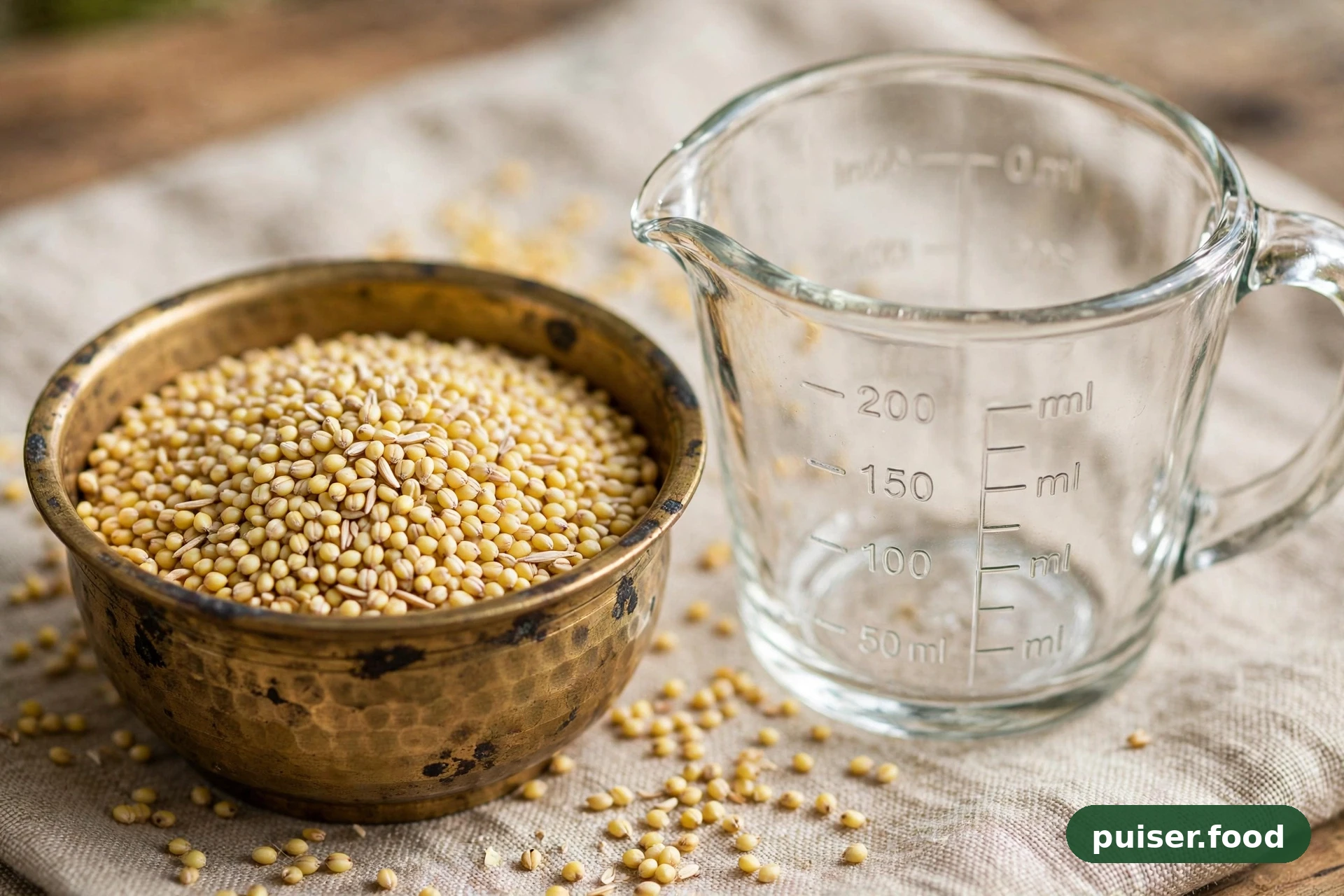
Foxtail millet is a small, pale yellow grain from the grass Setaria italica, grown in India for thousands of years. The name comes from the shape of its seed head, which looks like a fox tail. It is one of the five Siridhanya millets, the group of small millets that includes little millet, kodo millet, barnyard millet and browntop millet. In Karnataka it is navane, in Tamil Nadu thinai, in Andhra Pradesh and Telangana korralu, and in Hindi speaking homes kangni. Most shops sell it as whole grain or as flour, and the whole grain is what you want for cooking like rice.
The grain is small and hard, with a thin husk that mills off easily. What remains is a yellow kernel with a mild, nutty taste and a texture close to couscous when cooked well. It absorbs the flavour of dal, rasam, sambar and curd, which is why it works as a rice substitute rather than as a separate health food you have to learn to like. It grows on dry land with little water, which is one reason millets are coming back in Indian farming. A crop that needs less irrigation matters in a country where water is short, and the grain keeps well in storage, which matters in a home kitchen.
Foxtail millet is naturally gluten free, so it suits people who avoid gluten. One caution belongs here: millets are often milled in shared facilities, so if you cook for someone with coeliac disease, buy a pack that says gluten free on the label and check the mill. For everyone else, the grain is simply another cereal, closer to rice than to wheat in how it cooks and eats. It is a grain that earns its place for taste first, and the foxtail millet benefits follow from the fibre and protein in every bowl.
Foxtail Millet Benefits in Numbers
The table below compares foxtail millet with milled white rice and whole wheat, per 100 g of raw grain, using the Indian Food Composition Tables 2017 from the National Institute of Nutrition. The gap that matters most is fibre. Foxtail millet carries roughly 7 to 8 g of fibre per 100 g raw, against 0.2 g in milled white rice. Protein is the second gap: 12.3 g against 6.8 g, the highest protein figure among the common millets. Energy is close across all three grains, so foxtail millet is not a low calorie food. It is a more nutritious version of the same calories.
| Nutrient (per 100 g raw) | Foxtail millet | White rice (milled) | Whole wheat |
|---|---|---|---|
| Energy | 351 kcal | 345 kcal | 340 kcal |
| Protein | 12.3 g | 6.8 g | 11.8 g |
| Fibre | 8.0 g | 0.2 g | 11.2 g |
| Calcium | 31 mg | 7.5 mg | 31 mg |
| Iron | 2.8 mg | 0.7 mg | 3.5 mg |
Figures are IFCT 2017 averages per 100 g of raw grain. Fibre figures for foxtail millet in published tables range from about 6.7 to 8.0 g by sample and method, so treat the table value as an average rather than an exact count for any single pack. Cooked figures are lower per 100 g because the grain absorbs water, roughly trebling in weight, so a cooked cup carries about a third of the raw numbers. The comparison still holds after cooking: the fibre and protein edge over white rice stays.
Two more numbers deserve a mention. Foxtail millet gives about 4.3 g of fat per 100 g raw, most of it unsaturated, and about 60.9 g of carbohydrate. The carbohydrate is the part that raises blood sugar, so the fibre around it is what slows the rise. That is the whole logic of the grain in one line: similar energy to rice, more of the things that slow digestion down.
Blood Sugar: What the Numbers Do and Do Not Prove
The glycaemic index, or GI, measures how fast a food raises blood sugar after eating. Foxtail millet is usually quoted with a GI of about 50 to 60, against about 72 for white rice. That gap is the main reason it is recommended for people watching blood sugar. The honest version of foxtail millet benefits for blood sugar is smaller than the headlines suggest, and it is worth stating plainly. GI figures for foxtail millet vary widely by study and by cooking method. A 2020 study in the Indian Journal of Medical Research, done at the Madras Diabetes Research Foundation in Chennai, measured a GI of 88.6 for pressure cooked unpolished foxtail millet, which is high rather than low. Other published tables put it near 50 to 60. The difference comes from the variety tested, the cooking method, and how the test was run.
What can you take from that? Foxtail millet is not a proven low GI food in every form. What is solid is the fibre: about 7 to 8 g per 100 g raw, which slows digestion in a way white rice cannot match, and the protein, which adds fullness. If you have diabetes or prediabetes, foxtail millet is a reasonable swap for white rice, and it is a better choice than most refined grains. It is not a treatment, and it does not cancel out a large portion or a sugary accompaniment. Portion still matters, and the dal and vegetables on the plate matter as much as the grain. Ask your doctor or dietitian before changing a diet that is part of medical care, and check your own blood sugar response if you monitor it, because individual responses vary.
One practical point helps more than any GI number. Cook foxtail millet, cool it, and eat it the next day, and the resistant starch in it rises, which blunts the blood sugar response further. This works for rice too, and it is the reason leftover millet upma or curd millet eaten cold can feel lighter than a fresh hot plate. It is a small effect, not a cure, and it is free.
Weight and Fullness
Fibre and protein are the two nutrients that keep you full, and foxtail millet has more of both than white rice. A cup of cooked foxtail millet with dal keeps most people satisfied for longer than the same cup of white rice with the same dal, because the fibre slows stomach emptying and the protein adds satiety. That is the part of foxtail millet benefits that holds up best in daily life, because it does not depend on a GI table. It depends on how full you feel after lunch and whether you reach for a snack at four in the afternoon.
Foxtail millet is not a weight loss food on its own. At 351 kcal per 100 g raw it carries about the same energy as rice, so swapping the grain without changing the portion does not cut calories. What it does is make a smaller portion feel like enough. If you eat one cup of cooked millet instead of one and a half cups of cooked rice, and you feel just as full, the swap saves calories without a sense of missing out. That is the mechanism, and it is modest. No single grain causes weight loss, and any article that says otherwise is selling something.
The other side of fullness is digestion. The fibre in foxtail millet feeds gut bacteria and adds bulk, which helps regular bowel movement. Introduce it slowly if your diet is low in fibre now, because a sudden jump can cause bloating and gas for a week or two. Start with two or three millet meals a week, drink water with the meal, and let your gut adjust before making it daily.
How to Cook Foxtail Millet Like Rice
The practical side of foxtail millet benefits is that it cooks like rice, in the same pot, with a ratio you can remember. Rinse the grain twice, soak it for at least 30 minutes, and use 1 cup of millet to 2 cups of water. Soaking overnight gives the fluffiest result, because the hard grain hydrates evenly. Bring it to a boil, turn the heat down, simmer for 15 to 18 minutes, then rest it for 5 minutes with the lid on and fluff it with a fork. Do not stir while it cooks, or the grains break and turn mushy. Getting the cooking right is what turns the foxtail millet benefits from a claim on a pack into a meal you actually enjoy.
| Method | Water per 1 cup millet | Time | Notes |
|---|---|---|---|
| Open pot | 2 cups | Simmer 15 to 18 min, rest 5 min | Soak 30 min first, overnight for fluffiest grains |
| Pressure cooker | 2 cups | 2 to 3 whistles, rest till pressure drops | Same soak; do not overfill the cooker |
| Porridge | 4 cups | 20 to 25 min | Stir often; thin with milk or water to taste |
Two things go wrong most often. The first is skipping the soak, which leaves hard centres in some grains and mush in others. The second is too much water, which turns the pot into porridge when you wanted separate grains. If the millet turns out wet, spread it on a plate for five minutes and the steam leaves. If it turns out hard, sprinkle two tablespoons of hot water over it, cover, and rest it for five more minutes. A rice cooker works too: use the same 1 to 2 ratio and the regular white rice setting, and let it rest for 5 minutes after the cooker switches off.
Foxtail millet flour is a different ingredient. It makes rotis, dosas and baked goods, and it behaves nothing like the whole grain. The flour has no gluten, so rotis need hot water kneading and are patted by hand rather than rolled. Keep the flour in a cool place and use it within a few weeks, because millet flour turns bitter faster than wheat flour. This article is about the whole grain, so the flour gets one paragraph and no more.

Five Dishes Where It Replaces Rice
Once you can cook it, the foxtail millet benefits are easy to put on the table every day, because the grain takes the place of rice in dishes you already make. Use it one to one, by volume, in place of cooked rice. The dal, the tadka and the vegetables stay the same, so the family eats the same meal with a better grain in it.
| Dish | How foxtail fits | Tip |
|---|---|---|
| Upma | Cooked millet replaces rava | Toast the grain first for a nutty flavour |
| Pongal | One to one swap for rice | Cook with moong dal in the same pot |
| Khichdi | One to one swap for rice | Keep the same dal and tadka |
| Fried millet | Use day old cooked millet | Cold grains fry crisp; fresh grains turn soft |
| Curd rice | One to one swap for rice | Cool fully before mixing in the curd |
Start with khichdi or pongal, because the dal and the soft texture hide any small cooking mistake. Upma is the next step, because the tempering carries the dish and the millet only needs to be fluffy. Curd millet is the easiest of all: cooked millet, cooled, mixed with curd, salt and a tempering of mustard seeds, curry leaves and green chilli. It travels well in a lunch box and suits hot weather. Fried millet is for leftover grain, and it works best when the millet is a day old and cold from the fridge, so the grains stay separate in the pan.
Our guide on millets for daily diet covers the wider millet family, and our guide to eating organic on a budget in India shows how to fit millets into a weekly shop without raising the grocery bill. The organic foxtail millet in our shop is the same grain this article describes, and the unpolished dal guide pairs with it, because dal and millet are the two halves of the meal.

Buying and Storing Foxtail Millet
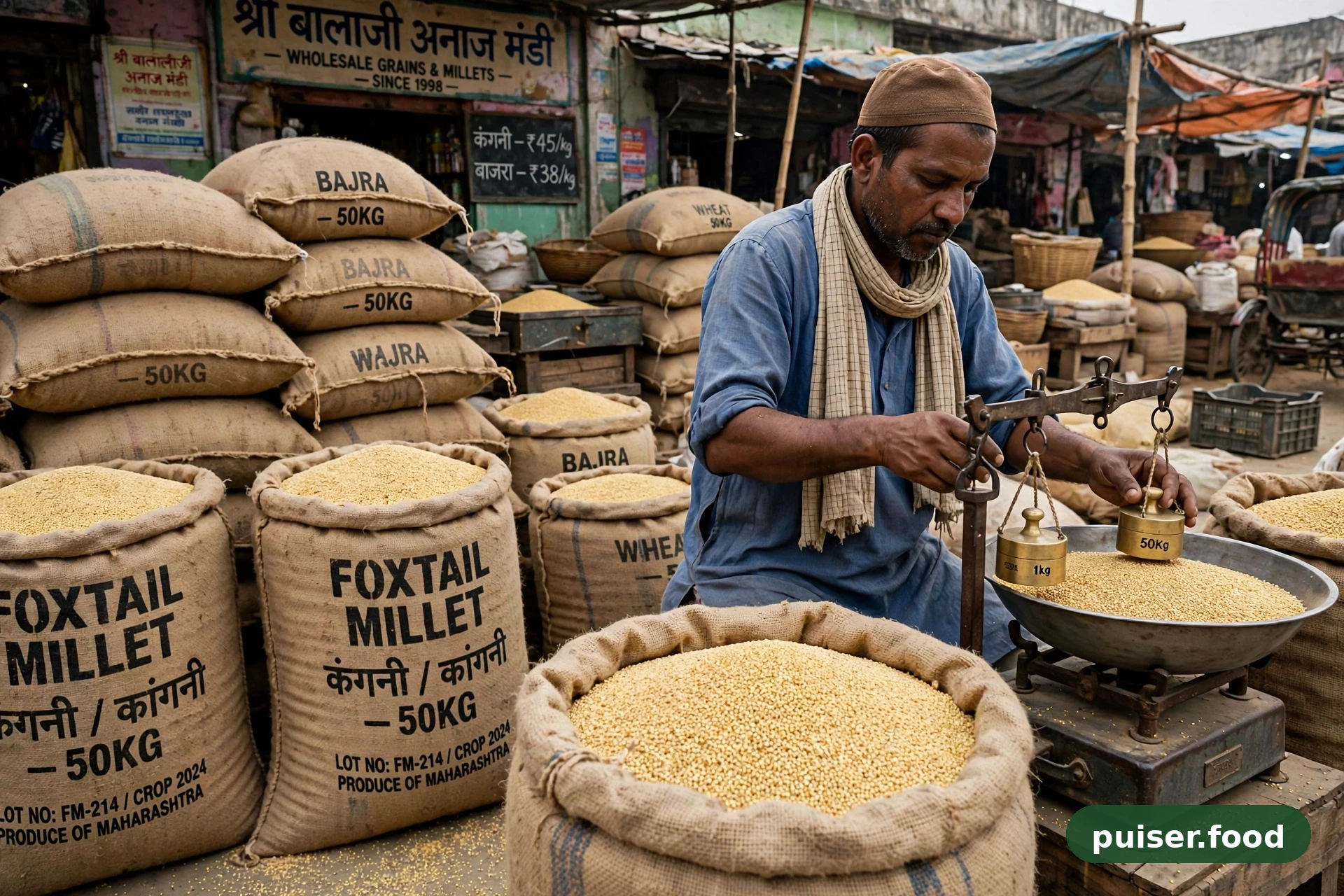
Buy whole grain, not flour, if you want to cook it like rice. Look for clean, pale yellow grains with no stones and no broken bits, and buy from a seller who moves stock quickly, because old millet can taste stale. Organic foxtail millet costs more than regular, and the premium buys farming without synthetic pesticides and fertilisers, not a different grain. Check the pack for a Jaivik Bharat mark or a named certifier if you are paying the organic price, the same check our organic labels guide recommends for every organic product.
Store the grain in an airtight jar in a cool, dark cupboard, away from the stove. Whole foxtail millet keeps for six to eight months this way. Flour keeps for far less time, a few weeks at most, so buy flour in small packs and use it quickly. Check for weevils in hot weather, and if you find them, sun the grain for a day and sieve it before cooking. Wash the grain well before soaking, because dust and husk sit in the pack.
5 Expert Tips
Foxtail millet benefits depend on how you cook and store it, so these five tips matter more than any single recipe. They are the small habits that keep the grain fluffy, the flavour clean and the nutrition intact.
Soak every time. Thirty minutes is the minimum, overnight is better. Soaking evens out the cooking, softens the bran and shortens the simmer. Unsoaked millet cooks unevenly, with hard centres and mushy edges in the same pot.
Toast before boiling. Dry roast the rinsed grain in the pot for two minutes before adding water. The nutty smell tells you it is ready, and the grains stay separate after cooking.
Rest before fluffing. Five minutes with the lid on after the flame goes off lets the steam finish the job. Fluffing too early breaks the grains and releases starch, which turns the pot sticky.
Cook a batch, eat it twice. Cooked foxtail millet keeps in the fridge for two to three days. Use it fresh for pongal or khichdi, and use the leftovers cold for fried millet or curd millet the next day.
Pair it with dal, always. Millet protein is short of lysine, the amino acid dal provides. The classic dal and grain pairing completes the protein, which is why the combination has lasted for centuries.
Common Mistakes to Avoid
Skipping the soak. The most common mistake is cooking dry millet straight from the pack. The grains cook unevenly and the pot ends up half hard and half mush. Soak for 30 minutes at least.
Using too much water. More water does not mean softer grain, it means porridge. Stick to 1 cup of millet to 2 cups of water for separate grains, and save the 1 to 4 ratio for porridge only.
Stirring while it cooks. Stirring breaks the grains and releases starch, which turns the pot sticky. Bring it to a boil, turn the heat down, and leave it alone until the rest.
Believing a single GI number. Published GI figures for foxtail millet range from about 50 to 88 by study and cooking method. Treat the grain as a better choice than white rice, not as a proven low GI food.
Buying flour when you want grain. Millet flour turns bitter within weeks and cannot be cooked like rice. Buy whole grain for rice dishes, and buy flour only in small packs for rotis and dosas.
Frequently Asked Questions
What are the main foxtail millet benefits?
Foxtail millet gives about 12.3 g of protein and 7 to 8 g of fibre per 100 g of raw grain, far more than white rice, and it is gluten free. It cooks like rice, replaces it one to one in khichdi, pongal and curd rice, and keeps you full for longer. It is a practical swap for everyday cooking.
Is foxtail millet good for diabetes?
It is a reasonable swap for white rice, because the fibre slows digestion and the protein adds fullness. Published GI figures vary widely, from about 50 to 88 by study and cooking method, so do not treat it as a proven low GI food. Portion still matters, and anyone managing diabetes should ask their doctor or dietitian first.
Can foxtail millet replace rice every day?
Yes, it can, and many families in Karnataka and Tamil Nadu eat millets daily. Rotate it with rice, ragi and wheat rather than eating one grain every day, because variety covers more nutrients. Start with two or three millet meals a week and build up as your gut adjusts to the extra fibre.
How do I cook foxtail millet so it stays fluffy?
Rinse twice, soak for at least 30 minutes, and use 1 cup of millet to 2 cups of water. Simmer for 15 to 18 minutes, rest for 5 minutes with the lid on, then fluff with a fork. Do not stir while it cooks, and toast the grain for two minutes before adding water for a nuttier flavour.
Is foxtail millet gluten free?
Yes, foxtail millet is naturally gluten free. If you cook for someone with coeliac disease, buy a pack labelled gluten free, because millets are often milled in shared facilities where wheat is also processed. For most people avoiding gluten, ordinary foxtail millet is fine.
How much foxtail millet should I eat in a day?
One cooked cup, about 150 to 180 g, is a sensible portion for one meal, alongside dal and vegetables. There is no fixed daily limit, and the grain is a staple food rather than a supplement. Balance the plate with protein and vegetables instead of filling it with grain alone.
Does foxtail millet help with weight loss?
It can help indirectly, because the fibre and protein keep you full for longer, so a smaller portion feels like enough. It carries about the same calories as rice, 351 kcal per 100 g raw, so the swap alone does not cut calories. Weight loss still comes from the whole diet and activity, not from one grain.
What is the difference between foxtail millet and little millet?
Both are small Siridhanya millets, and both cook like rice. Foxtail millet is pale yellow with a nutty taste and the highest protein of the group, about 12.3 g per 100 g. Little millet is smaller and paler, with a milder taste. They swap freely in most recipes, so use whichever your shop stocks.
Can children eat foxtail millet?
Yes, children can eat foxtail millet from the time they eat family food. Cook it soft, as porridge or khichdi, and serve it with dal and vegetables. Introduce it slowly if the child eats mostly rice, because the extra fibre can cause bloating at first. Ask your paediatrician if the child has any digestive condition.
How do I store foxtail millet?
Keep whole grain in an airtight jar in a cool, dark cupboard, and it lasts six to eight months. Flour keeps for a few weeks only, so buy it in small packs. Check for weevils in hot weather, sun the grain for a day if you find them, and always rinse well before soaking and cooking.
Conclusion
Foxtail millet benefits come down to a better bowl of the same meal: more protein, far more fibre, and a grain that cooks like rice in the same pot. Start with khichdi or pongal, soak the grain, keep the water at 1 to 2, and let the dal do the rest. The swap is small, the meal stays familiar, and the nutrition improves without a lecture.


