Introduction
Hazelnuts are the round brown nuts most Indians know from a jar of chocolate spread, and that is a pity, because the nut inside the spread is far better than the spread itself. A hazelnut is the filbert, a tree nut with a thin brown skin, a sweet mild taste and a crunch that survives roasting. Turkey grows most of the world hazelnuts, and the nuts reach Indian shelves shelled, roasted or ground into butter. This guide covers the hazelnuts benefits that matter most, the skin that holds the antioxidants, the spread that cancels them, and the five best Indian ways to use the nut.
In this article
- The short answer
- What hazelnuts actually are
- Hazelnuts in numbers
- 10 hazelnuts benefits worth knowing
- The skin, the spread and the honest story
- Whole, roasted, butter and flour
- Five everyday ways to use it
- Buying and storing hazelnuts
- 5 expert tips
- Common mistakes to avoid
- Frequently asked questions
- Conclusion
The Short Answer
The hazelnuts benefits that matter most are vitamin E, manganese and monounsaturated fat, in a nut that is low in carbs for its calories. Hazelnuts give 628 kcal, 14.95 g of protein, 60.75 g of fat and 9.7 g of fibre per 100 g, with 15.03 mg of vitamin E and 6.18 mg of manganese in the same weight. A small handful, 28 g or about 20 kernels, gives 176 kcal, 4.2 g of protein, 2.7 g of fibre and 4.2 mg of vitamin E. Eat them with the skin on, count the handful, and keep chocolate spread out of the picture.
What Hazelnuts Actually Are
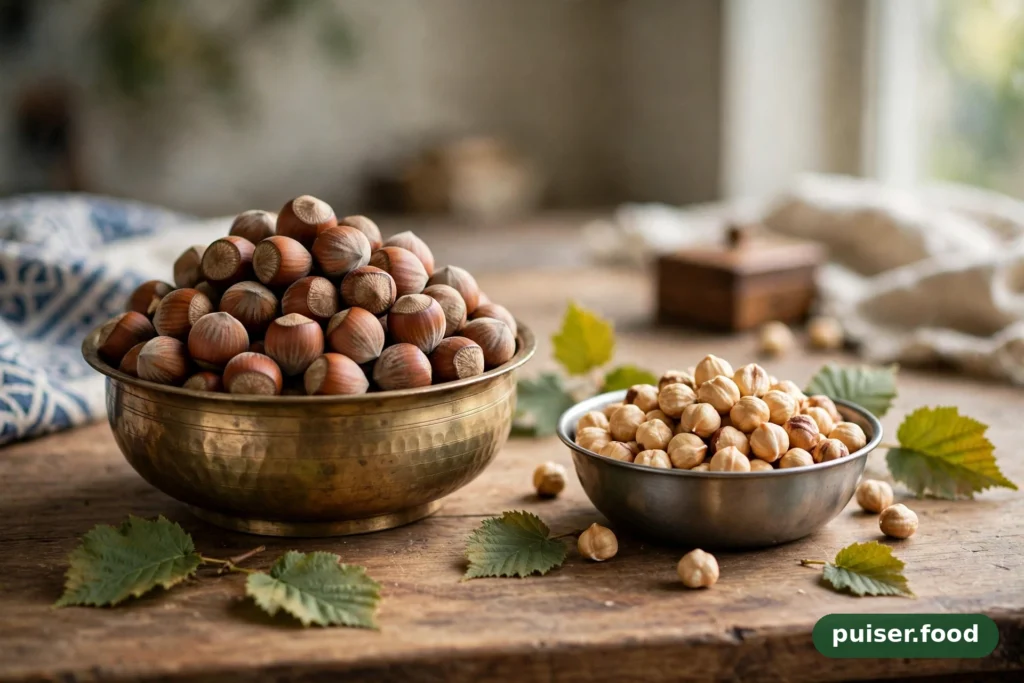
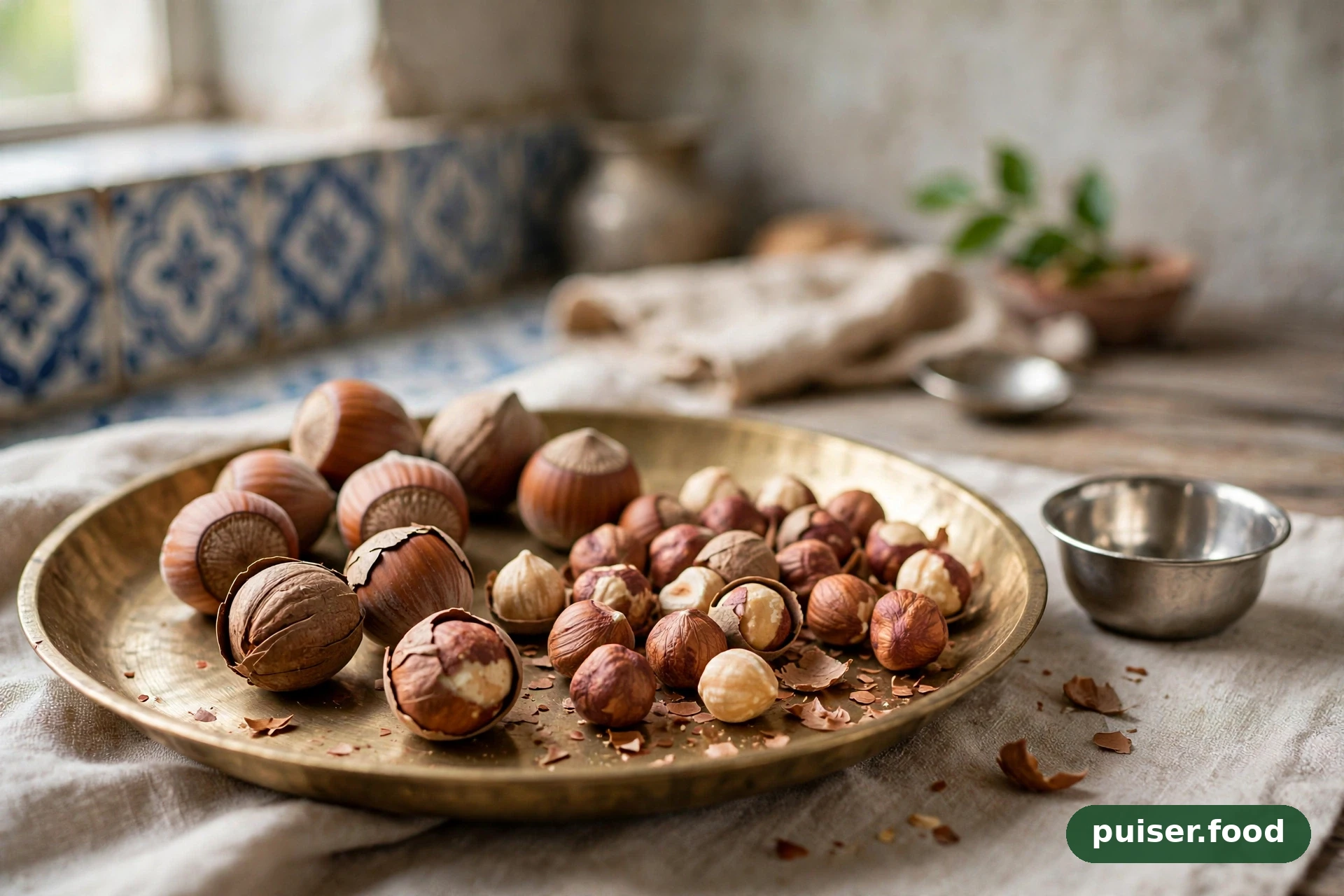
A hazelnut is the fruit of the hazel tree, Corylus avellana, a small round nut that grows inside a leafy green husk and drops to the ground in late summer. The shell is hard and brown, the kernel inside is cream coloured and round, and a thin brown skin clings to the kernel. The nut is called a filbert in older English books, after the feast day of St Philbert in late August, when the nuts ripen. In Indian shops it is sold as hazelnut, usually shelled, and it sits on the premium shelf beside almonds and walnuts.
That a nut this small carries so much vitamin E is the first thing to understand, because it is what separates hazelnuts from most other nuts, and it is where the hazelnuts benefits start. A 100 g pack holds 15.03 mg of vitamin E, about the full daily value for an adult, and 6.18 mg of manganese, far more than almonds or walnuts carry. The fat is mostly monounsaturated, the same kind that olive oil is known for, at 45.7 g per 100 g. The taste is mild and sweet, which is why the nut takes to roasting, jaggery and chocolate so well.
Hazelnuts are also the nut of the Indian sweet shop now, in the ladoo of a festival thali, in the barfi of a gift box and in the trail mix of a train journey. A handful of roasted hazelnuts shows the nut at its best, warm and crunchy with a little salt. The nut makes ladoo and barfi, the butter spreads on toast, and the flour goes into cakes. The whole nut keeps for months in a jar, so a single pack covers many snacks.
Hazelnuts in Numbers
The numbers behind the hazelnuts benefits need a straight telling, because this time the USDA record is unusually clean. USDA FoodData Central holds a record for hazelnuts, FDC ID 170581, “Nuts, hazelnuts or filberts”, from the SR Legacy dataset. This guide uses that record only, with all figures per 100 g unless a portion is named. A second record, FDC 170582, covers blanched hazelnuts, and its figures differ, so this guide does not use it.
| Nutrient, hazelnuts raw (per 100 g) | Amount |
|---|---|
| Energy | 628 kcal |
| Protein | 14.95 g |
| Fat | 60.75 g |
| Carbohydrates | 16.7 g |
| Fibre | 9.7 g |
Three figures in that table do most of the work. Fat at 60.75 g per 100 g is the headline, because it makes hazelnuts an energy dense food, and fibre at 9.7 g per 100 g is the second, high for a nut. Protein at 14.95 g per 100 g is the third, useful in a vegetarian diet. The energy figure, 628 kcal per 100 g, is the one to count, because a bowlful of hazelnuts is a meal in calories.
| Fat type (per 100 g) | Amount |
|---|---|
| Monounsaturated fat | 45.7 g |
| Polyunsaturated fat | 7.92 g |
| Saturated fat | 4.46 g |
| Total fat | 60.75 g |
The fat is mostly monounsaturated, at 45.7 g per 100 g, which is three quarters of all the fat in the nut, the same kind of fat that olive oil carries. Polyunsaturated fat adds 7.92 g, and saturated fat is only 4.46 g, a small share for a nut this rich. The fat is also why hazelnuts go rancid in an open pack, so storage matters as much as the numbers.
| Portion of hazelnuts | Energy | Protein | Fibre | Vitamin E |
|---|---|---|---|---|
| 28 g, about 20 kernels, 1 oz | 176 kcal | 4.2 g | 2.7 g | 4.2 mg |
| 50 g, a generous handful | 314 kcal | 7.5 g | 4.9 g | 7.5 mg |
| 100 g | 628 kcal | 14.95 g | 9.7 g | 15.03 mg |
The portion table turns the per 100 g figures into handfuls. One ounce, 28 g or about 20 kernels, is the portion this guide uses everywhere, a small handful that gives 176 kcal and 4.2 mg of vitamin E. The 50 g serving is a generous handful, at 314 kcal. Count the kernels before eating, because twenty kernels look like very little in the hand.
| Nut (per 100 g) | Energy | Protein | Vitamin E | Manganese |
|---|---|---|---|---|
| Hazelnuts (USDA FDC 170581) | 628 kcal | 14.95 g | 15.03 mg | 6.18 mg |
| Almonds (USDA FDC 170567) | 579 kcal | 21.15 g | 25.63 mg | 2.18 mg |
| Walnuts (USDA FDC 170187) | 654 kcal | 15.2 g | 0.7 mg | 3.41 mg |
Hazelnuts lead on manganese by a wide margin, with 6.18 mg against 2.18 mg in almonds and 3.41 mg in walnuts, and they beat walnuts on vitamin E by a wide margin too. Almonds still lead on vitamin E, with 25.63 mg against 15.03 mg, and on protein, with 21.15 g against 14.95 g. Our almonds benefits guide covers the vitamin E leader, and our walnuts benefits guide covers the nut that leads on omega 3 fats. Our Brazil nuts benefits guide covers the selenium leader, and our pecans benefits guide covers the closest nut to hazelnuts in taste and fat.
10 Hazelnuts Benefits Worth Knowing
Here are the ten hazelnut benefits worth knowing, in the order a home cook would care about them. Each one is tied to a number from the tables above, and each one belongs to the whole nut with its skin on.
1. Vitamin E in a small handful
A 28 g handful gives 4.2 mg of vitamin E, about a quarter of the adult daily value of 15 mg, and 100 g gives the full day in one pack. Vitamin E works as an antioxidant in the body, guarding cells against the damage that comes with age and sun. Few Indian foods carry this much vitamin E in so small a serving, and the nut needs no cooking to give it up.
2. Manganese, the quiet mineral
Hazelnuts give 6.18 mg of manganese per 100 g, more than any other common nut, and a 28 g handful gives 1.7 mg, about three quarters of the adult daily value. Manganese helps the body form bone and connective tissue, and it helps enzymes that guard cells do their work. Almonds give 2.18 mg and walnuts 3.41 mg in the same weight, so hazelnuts lead the shelf by a clear margin.
3. Monounsaturated fat, the olive oil kind
Three quarters of the fat in hazelnuts is monounsaturated, at 45.7 g per 100 g, the same kind of fat that olive oil is known for. Diets rich in this fat, with saturated fat kept low, are the ones that studies link with better heart health, and hazelnuts carry only 4.46 g of saturated fat in the same weight. Keep the portion small, because the same fat carries the calories.
4. Fibre that keeps you full
Hazelnuts give 9.7 g of fibre per 100 g, and a 28 g handful gives 2.7 g, a useful share of a day’s fibre in a snack. Fibre slows digestion, keeps you full for longer, and supports gut health. The nut fibre is the quiet reason a small handful satisfies more than a biscuit of the same calories.
5. Steady energy, low in carbs
Hazelnuts give 16.7 g of carbohydrates per 100 g, low for a nut, with 9.7 g of fibre alongside, so a handful is gentle on blood sugar. The energy comes mostly from fat, at 628 kcal per 100 g, and it lasts, because fat and fibre digest slowly. Count the handful first, because the energy adds up fast.
6. A heart friendly handful
People who eat nuts regularly show lower rates of heart disease in large observational studies, and hazelnuts fit that pattern, with monounsaturated fat, fibre, magnesium and vitamin E in one small food. The evidence is observational, and not a trial of hazelnuts alone, so the claim is about nuts as a group. The nut is not a medicine, and it does not replace a doctor’s advice.
7. Vitamin E for skin
Vitamin E guards skin cells against oxidative damage, and a food that gives 15.03 mg per 100 g is a strong source of it. A handful a day gives 4.2 mg, and the rest of the day food adds the remainder. The effect is slow and general, and no single food changes skin in a week.
8. Minerals for bones
Hazelnuts give calcium at 114 mg, magnesium at 163 mg and manganese at 6.18 mg per 100 g, three minerals that bones use every day. A handful gives a smaller share, so the nut is a helper, and milk, curd and ragi still do the heavy work for bones. The copper in the nut, 1.72 mg per 100 g, helps the body use iron, and the iron itself is 4.7 mg in the same weight.
9. Folate for everyday eating
Hazelnuts give 113 mcg of folate per 100 g, a useful share for a snack food, and folate matters for cell growth and for women in the childbearing years. A handful gives about 32 mcg, which is a help and not a full day supply. The nut also gives potassium at 680 mg per 100 g, which suits a diet that runs high on salt.
10. One nut, many dishes
Hazelnuts roast, grind into butter, mill into flour and press into oil, and the four forms cover snacks, sweets, breakfast and baking. The whole nut keeps for months in a jar, the butter spreads on toast, and the flour goes into cakes. Few nuts stretch that far, and the mild sweet taste takes jaggery, cardamom and chocolate without a fight.
The Skin, the Spread and the Honest Story
The honest part of the hazelnuts benefits is the part that most often gets told wrong, so it deserves a straight telling, along with the spread, the cancer claims and the allergy. None of the four is a reason to skip hazelnuts.
The skin holds the antioxidants
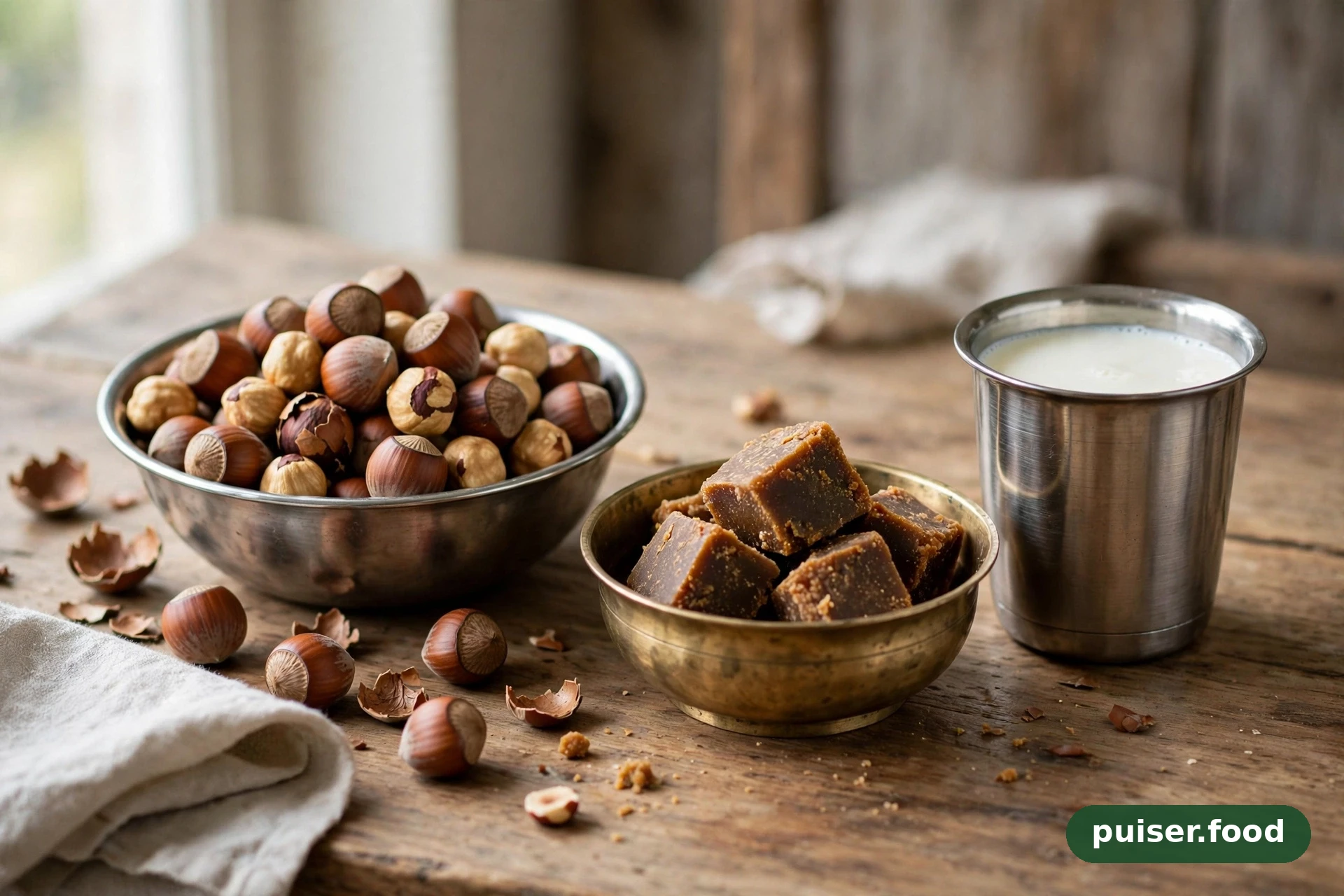
Most of the phenolic compounds in hazelnuts sit in the thin brown skin, and blanched hazelnuts, with the skin taken off, lose much of them. Roasting loosens the skin and cuts the antioxidants further, so a dark roast gives up more than a light one. The kernel still gives vitamin E, manganese and healthy fat, so eat the nut whole when you can, and roast it lightly.
Nutella is not a health food
A jar of chocolate hazelnut spread is mostly sugar and oil, with only a small share of hazelnuts in it, and a spoon of spread is not a serving of nuts. The spread carries the sugar and fat of a dessert, and none of the fibre, vitamin E or manganese that make the whole nut worth eating. Chocolate covered hazelnuts sit in the same group, a sweet with a nut inside. Eat the nut plain or roasted, and keep the spread for rare treats.
Cancer and sperm claims, honestly
Some articles say hazelnuts fight cancer or raise sperm counts, and the studies behind those claims are test tube work, animal studies or small human trials, not proof in people eating a handful a day. The phenolic compounds in the skin show activity in a laboratory dish, and that is a long way from a bowl of nuts preventing disease. The nut is worth eating for its vitamin E, manganese, fibre and healthy fat, which are measured.
Allergy and phytic acid
Hazelnuts are a tree nut, and a tree nut allergy can be serious, so anyone allergic should avoid them and read labels on biscuits, chocolates and sweets, where hazelnuts often hide. Some people with birch pollen allergy also react to raw hazelnuts, because the proteins look alike to the immune system. The nuts also carry phytic acid, which can cut how much iron and zinc the body takes from them. Pairing hazelnuts with amla or lemon helps the body take up more of the iron.
Whole, Roasted, Butter and Flour
The hazelnuts benefits do not change much between the forms on the shelf, because the nut is the same, but they change between the ways it is sold. Whole hazelnuts in the shell keep longest and cost least, and shelling them at home keeps the skin on. Shelled hazelnuts with the skin on are the everyday buy, and they suit roasting, ladoo and trail mix. Blanched hazelnuts have the skin taken off, so they look pale and taste milder, and they lose much of the phenolic antioxidants with the skin.
Roasted hazelnuts taste richer and crunchier, and a light roast keeps more of the antioxidants than a dark one. Hazelnut butter is the ground nut, and the label should read hazelnuts, with salt at most, and no added sugar or palm oil. Hazelnut flour is the nut ground fine, and it goes stale fast because the nut carries 60.75 g of fat per 100 g, so buy it in small packs.
Five Everyday Ways to Use It
The hazelnuts benefits show up best in five everyday dishes, each one using a small handful, with the nut at 28 g or less per serving.
1. Roasted hazelnuts with jaggery and salt
Toss shelled hazelnuts in a hot kadhai for a few minutes until they smell nutty, then rub them in a cloth to take off the loose skins and toss with a pinch of salt and crushed jaggery. The jaggery melts a little on the warm nuts and holds the salt. Serve warm in a small steel bowl with chai, and count one handful per person.
2. Hazelnut ladoo with jaggery
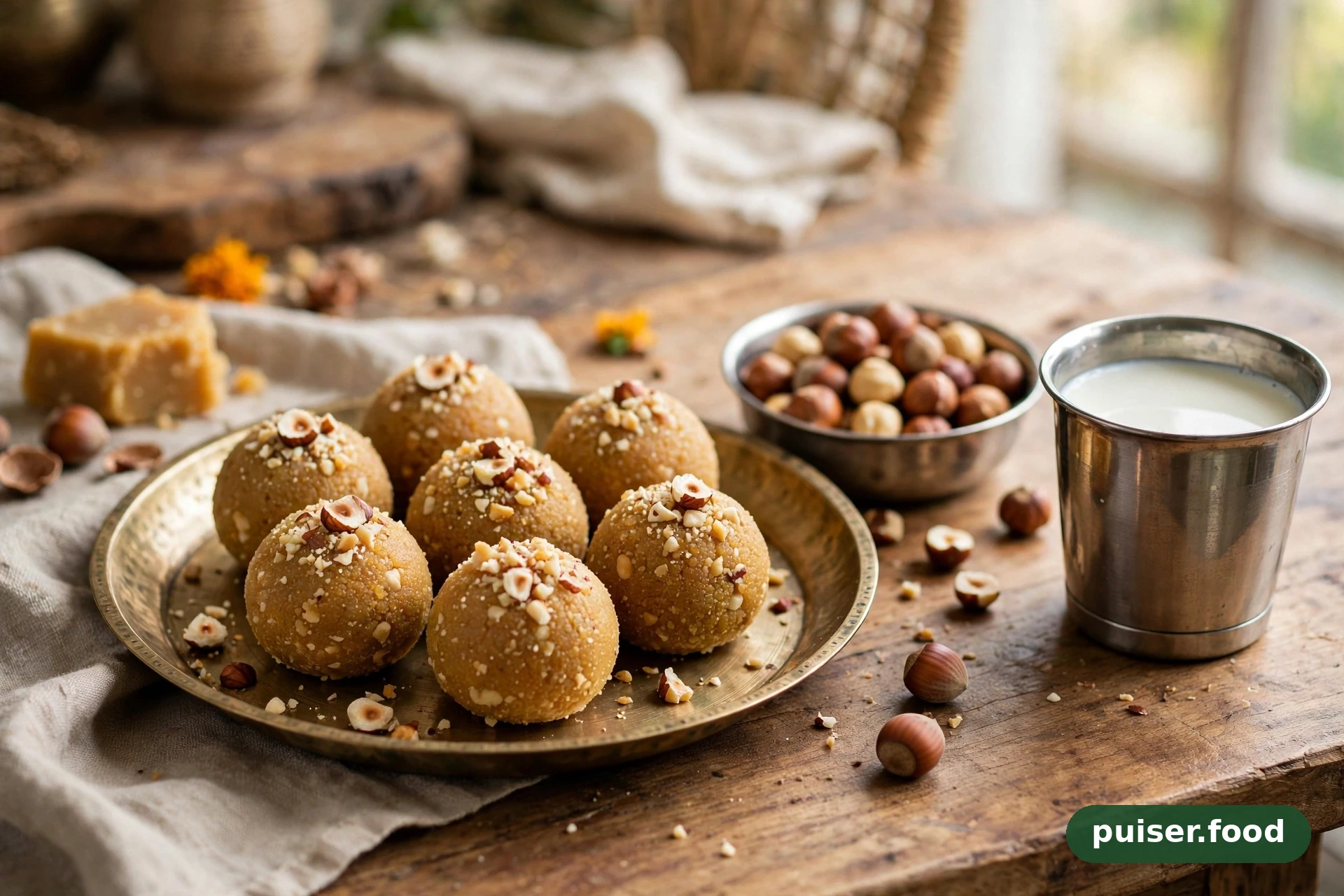
Roast the nuts lightly, grind them coarse, and bind with melted jaggery and a spoon of ghee, then roll into small ladoos and press a hazelnut on top of each one. The ladoo keeps for days in a steel dabba, so it suits a festival thali and a train journey alike. Serve one ladoo, because the nuts and jaggery together are rich.
3. Hazelnut chutney with coconut
Grind roasted hazelnuts with fresh coconut, green chillies, ginger and curd, then temper with mustard seeds, urad dal and curry leaves in oil. The chutney tastes nutty and mild, and it suits idli, dosa and upma. Make it fresh and finish it the same day, because the ground nuts turn stale fast once mixed with curd.
4. Hazelnut kheer with cardamom
Simmer a small handful of ground hazelnuts in milk on a low flame, stirring often, until the milk thickens, then add cardamom and a little jaggery and finish with chopped pistachios. The nuts give the kheer its body, so it needs less sugar than a rice kheer. Serve warm in a steel bowl, or chill it for a summer dessert.
5. Hazelnut milk and butter on toast
Soak a handful of hazelnuts overnight, blend with water and strain through a cloth for a light nut milk that suits chai and porridge. The same soaked nuts grind into a butter that spreads on toast with banana. Use the milk the same day, because it has no preservative and turns fast in the heat.
Buying and Storing Hazelnuts
The hazelnuts benefits survive or die on the label, so read the label before the price. The ingredients list should read hazelnuts, and a pack that lists anything else is a mix. Whole nuts in the shell keep longest, and shelled nuts with the skin on are the next best buy. A pack that smells stale before cooking will taste worse after it.
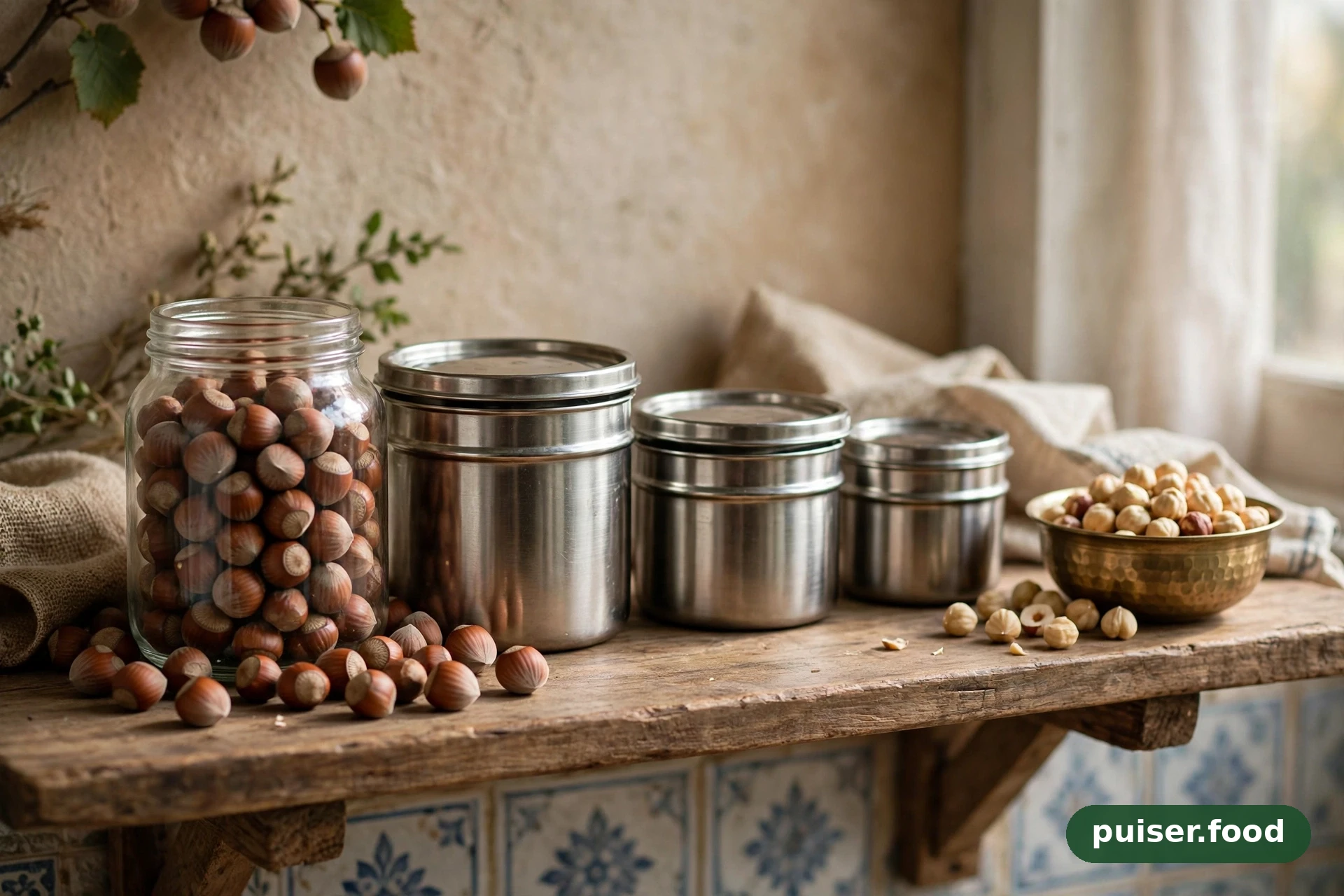
For the pantry, our Organic Hazelnuts are the plain whole nuts in the Puiser shop, made for roasting, ladoo and trail mix. Store the nuts in an airtight jar in a cool, dark place, where they keep for months, and keep opened packs in the fridge, because the nut turns rancid in the heat. Throw the nuts away if they smell stale or rancid, or if they show mould.
5 Expert Tips
Five small habits keep the hazelnuts benefits on the plate and the skin on the nut.
1. Keep the skin on. Buy shelled hazelnuts with the skin on, and roast them lightly, because the skin holds most of the phenolic antioxidants.
2. Roast lightly, and rub off only the loose skins. Roast the nuts in a hot kadhai until they smell nutty, then rub them in a cloth, because the loose skins come off and the rest stay on the kernel.
3. Count 28 g. Count a small handful, about 20 kernels, into a bowl and put the pack away, because the nut gives 628 kcal per 100 g and a second handful is easy to add by mistake.
4. Pair with a vitamin C food. Eat hazelnuts with amla or lemon, because the vitamin C helps the body take up more of the iron.
5. Store opened packs in the fridge. Keep opened packs in an airtight jar in the fridge, because the fat in the nuts turns rancid in the heat.
Common Mistakes to Avoid
Most of the hazelnuts benefits are lost the same way, by buying the wrong form or storing it badly.
Buying chocolate spread as hazelnuts. A jar of chocolate spread is mostly sugar and oil, with only a small share of hazelnuts, so it does not carry the vitamin E, manganese or fibre of the whole nut. Buy the plain nut, and keep the spread for rare treats.
Eating blanched nuts and expecting the same antioxidants. Blanched hazelnuts have the skin taken off, and the skin holds most of the phenolic compounds. Buy the nuts with the skin on.
Eating by the bowlful. Hazelnuts give 628 kcal per 100 g, so a bowlful is a meal in calories. Count one handful of about 20 kernels, and put the pack away before eating.
Leaving the pack open. Hazelnuts carry 60.75 g of fat per 100 g, and the fat turns rancid in an open pack in the heat. Keep the nuts in an airtight jar, and move opened packs to the fridge.
Serving them without asking about allergy. Hazelnuts are a tree nut, and a tree nut allergy can be serious. Ask before serving them to guests or children, and check labels on biscuits and sweets, where hazelnuts often hide.
Frequently Asked Questions
What are the main benefits of hazelnuts?
Hazelnuts give vitamin E, manganese and monounsaturated fat in a small handful, with 15.03 mg of vitamin E and 6.18 mg of manganese per 100 g. A 28 g serving gives 176 kcal, 4.2 g of protein and 2.7 g of fibre. The skin holds most of the antioxidants, so eat them with the skin on.
How many hazelnuts should I eat in a day?
About 28 g a day, a small handful of around 20 kernels, is a sensible portion, with 176 kcal, 4.2 g of protein and 4.2 mg of vitamin E. Hazelnuts give 628 kcal per 100 g, so the portion matters more than the nut. Count the handful before eating, and put the pack away.
Are hazelnuts good for weight loss?
A 28 g handful gives 176 kcal with 2.7 g of fibre and 4.2 g of protein, so it fills more than the same calories from a biscuit. The catch is the portion. Hazelnuts give 628 kcal per 100 g, so eating by the bowlful adds up fast. Count one handful, and eat it slowly.
Are hazelnuts good for diabetes?
Hazelnuts give 16.7 g of carbohydrates and 9.7 g of fibre per 100 g, so a small handful has little effect on blood sugar. The fat and fibre slow digestion down. People with diabetes should still watch the portion, because 28 g gives 176 kcal. Ask your own doctor about a daily portion.
Should I remove the skin from hazelnuts?
No, keep the skin on when you can. Most of the phenolic antioxidants sit in the thin brown skin, and blanched hazelnuts lose much of them. Roasting loosens the skin and reduces the antioxidants further. Rub roasted hazelnuts in a cloth to take off the loose skins, and eat the rest as they are.
Are hazelnuts better than almonds?
Hazelnuts beat almonds on manganese, with 6.18 mg against 2.18 mg per 100 g, and they beat walnuts on vitamin E. Almonds still lead on vitamin E, with 25.63 mg against 15.03 mg per 100 g. Both nuts are good food. Rotate hazelnuts with almonds through the week rather than picking one winner.
Is Nutella healthy?
No. Nutella is a chocolate spread made mostly from sugar and oil, with only a small share of hazelnuts in the jar. A spoon of it is not a serving of hazelnuts, and it does not carry the vitamin E, manganese and fibre of the whole nut. Eat hazelnuts plain, roasted or as butter, and keep the spread for treats.
Are hazelnuts safe during pregnancy?
Hazelnuts give folate, with 113 mcg per 100 g, along with iron and magnesium, so they suit a pregnancy diet in a small handful. The allergy question matters more. Anyone with a tree nut allergy should avoid them. Pregnant women should ask their own doctor before adding a new nut daily.
Can children eat hazelnuts?
Older children can eat hazelnuts in small servings, and the roasted kernels and ladoo suit a tiffin well. Whole nuts are a choking hazard for young children, so chop or grind them for small children. Keep hazelnuts away from any child with a tree nut allergy, and ask a doctor if you are unsure.
Do hazelnuts have side effects?
The main caution is allergy. Hazelnuts are a tree nut, and a tree nut allergy can be serious, so anyone allergic should avoid them and check labels. The nuts also carry phytic acid, which can cut iron and zinc absorption. A large serving adds calories fast, because 100 g gives 628 kcal.
Conclusion
The hazelnuts benefits, vitamin E, manganese and steady fat, make it a nut worth keeping on the premium shelf, and the skin, the handful and the light roast are what keep them there. Roast a handful with jaggery, roll a ladoo or grind a chutney. Try a small handful this week, with the skin on.
Disclaimer: This article is for general information only and is not medical advice. If you have a tree nut allergy, diabetes, or a kidney condition, talk to your doctor before making hazelnuts a daily habit.