

Introduction
Kachi ghani mustard oil benefits begin with the way the oil is pressed. Mustard seeds are crushed slowly in a wooden or steel ghani, without heat or chemical solvents, so the oil keeps its sharp aroma, its golden colour and its natural fats. It is the oil North Indian kitchens call sarso tel. This guide covers what kachi ghani means, the 10 best-supported benefits, how to cook with it, and how to spot a fake.
In this article
- What is kachi ghani mustard oil?
- Kachi ghani vs refined mustard oil
- Kachi ghani mustard oil nutrition
- 10 kachi ghani mustard oil benefits
- How to cook with kachi ghani mustard oil
- How to buy good kachi ghani mustard oil
- How to store kachi ghani mustard oil
- 5 expert tips for using mustard oil
- Common mistakes to avoid
- Frequently asked questions
- Conclusion
What is kachi ghani mustard oil?
Kachi ghani means raw press. Kachi means raw or unheated, and ghani is the wooden or stone press that crushes the seed. Mustard seeds, usually Brassica juncea, are crushed slowly at low temperature, below 40 to 50 degrees C, and the oil that drips out is used exactly as it comes. Nothing is added and nothing is taken out. No heat extraction, no solvent, no bleaching, no deodorising.
What comes out is pungent, dark golden and a little cloudy, and it smells strongly of mustard. That sharpness comes from allyl isothiocyanate, known as AITC, the compound that gives mustard its bite. It is the first thing refining destroys.
That mix of fats and compounds is the base of the kachi ghani mustard oil benefits.
In India, mustard oil is the everyday oil of the north and east. Bengali, Punjabi and Bihari kitchens cook with it daily, and it is the traditional oil for pickles, for winter massage and for newborn massage. It also has a long history of adulteration, most notoriously with argemone oil.

Kachi ghani vs refined mustard oil
Both bottles say mustard oil, but they are different products. Cold pressing keeps the oil close to the seed. Refining takes it apart and rebuilds it as a neutral fat.
| Feature | Kachi ghani (cold pressed) | Refined mustard oil |
|---|---|---|
| How it is made | Mechanical pressing below 40 to 50 C, first press only | High heat extraction, often with solvent, then bleaching and deodorising |
| Flavour and aroma | Sharp, pungent, unmistakably mustard | Neutral, almost no flavour |
| Colour | Dark golden, slightly cloudy | Pale, clear |
| AITC (pungency compound) | Kept | Destroyed by heat above 200 C |
| Antioxidants and vitamin E | Mostly kept | Partly lost in processing |
| Smoke point | Reported around 200 to 250 C, sources vary | Around 220 to 240 C |
| Best for | Tadka, pickles, marinades, massage | Deep frying and very high heat |
| Price | Higher | Lower |
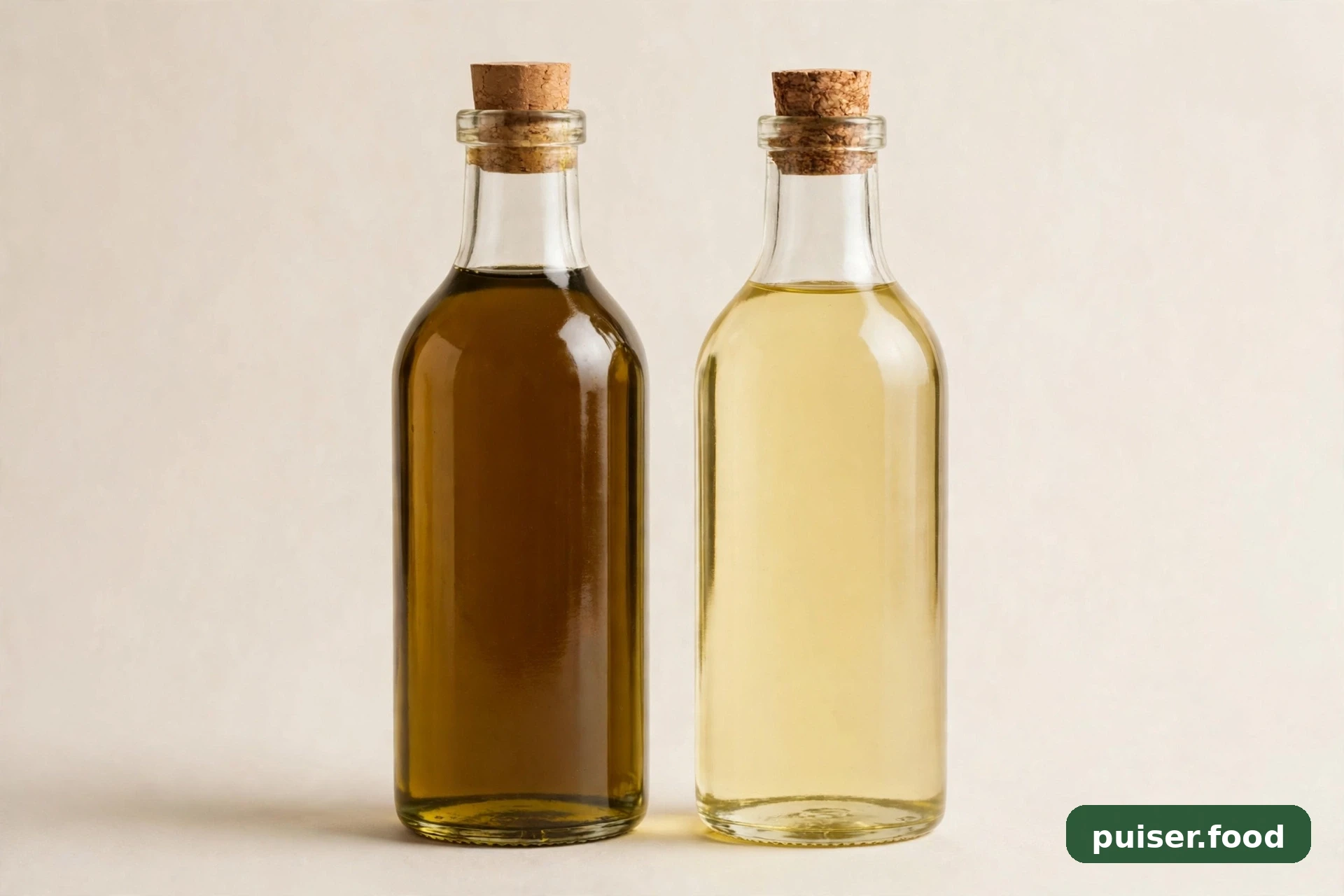
For everyday cooking, the kachi ghani mustard oil benefits favour the cold pressed bottle, because it keeps the AITC, the flavour and the antioxidants that carry most of the benefits. For deep frying at very high heat, refined oil is steadier.
Kachi ghani mustard oil nutrition
Mustard oil is pure fat, so its nutrition is all about the type of fat. The figures below are for mustard oil per 100 g, from the USDA FoodData Central database.
| Nutrient | Amount per 100 g |
|---|---|
| Calories | 884 kcal |
| Total fat | 100 g |
| Saturated fat | 11.6 g |
| Monounsaturated fat | 59.2 g |
| Polyunsaturated fat | 21.2 g |
| Omega-3 (alpha-linolenic acid) | About 11 g |
| Protein | 0 g |
| Carbohydrates | 0 g |
About 60 percent of the fat is monounsaturated, mostly oleic acid, and about 21 percent is polyunsaturated, split between omega-6 linoleic acid and omega-3 alpha-linolenic acid. One tablespoon, about 14 g, gives about 124 calories. The omega-3 to omega-6 ratio is close to 1 to 2, which is better balanced than most seed oils.
One honest note: mustard oil naturally contains erucic acid, and the amount varies by cultivar. Low-erucic varieties exist, and reputed brands test their oil. In the United States, the FDA does not allow mustard oil to be sold for cooking because of its erucic acid content, so it is labelled for external use only.
10 kachi ghani mustard oil benefits backed by research and tradition
The kachi ghani mustard oil benefits below are the ones with the best support, from nutrition science, small studies and long tradition. Where the evidence is thin, this guide says so.
1. Rich in heart-friendly unsaturated fats
About 80 g of every 100 g is unsaturated fat, split between monounsaturated oleic acid and polyunsaturated linoleic and alpha-linolenic acids. Replacing saturated fat with unsaturated fat is linked with better blood lipid profiles.
2. A better omega-3 to omega-6 balance than most seed oils
Most seed oils are heavy on omega-6 and carry almost no omega-3. Mustard oil is different: its omega-3 to omega-6 ratio is close to 1 to 2, one of the best balances among common cooking oils.
3. High smoke point for Indian cooking
Mustard oil handles high heat well, which is one of the most practical kachi ghani mustard oil benefits. Brand guides commonly cite a smoke point of about 250 degrees C, though at least one comparison puts kachi ghani closer to 200 degrees C, so treat the exact number with care. Either way it suits tadka, sauteing, roasting and deep frying far better than most cold pressed oils, which smoke at 160 to 177 degrees C.
4. AITC, the pungency compound with real research behind it
Allyl isothiocyanate is the compound that makes mustard oil sting the nose. In lab studies it has shown anti-inflammatory and antimicrobial activity, and it is the compound behind the oil’s traditional use on sore muscles and stiff joints. AITC is present only in cold pressed oil, because refining heats the oil above 200 degrees C and destroys it completely.
5. May support digestion
In Ayurveda, mustard oil is warming, or ushna, and is said to stimulate digestive fire and appetite, and to promote bile flow, which helps the body digest fats. Modern clinical evidence for this is thin, so treat it as a traditional use, not a proven treatment.
6. Traditional care for skin in winter
Mustard oil is the classic winter skin oil in North India. Its oleic acid and vitamin E help the skin barrier and keep skin moisturised, and it is massaged in before a bath in the cold months. Patch test first, and do not use it on broken skin.
7. Traditional care for hair and scalp
Warm mustard oil massaged into the scalp is the traditional remedy for dry hair and dandruff. The oil’s fatty acids coat the hair shaft and reduce dryness. Proof that it grows hair is thin, so use it as a conditioning massage, not a treatment for hair loss.
8. Traditional massage oil for joints and muscles
Warm mustard oil massage is the traditional remedy for stiff shoulders, knees and lower back, and the usual oil for abhyanga, the warm oil massage before a bath. The warmth and the AITC are said to ease the feeling of tightness, though no strong trial proves it.
9. Pickles that keep, thanks to AITC
Mustard oil is the traditional pickling oil of India, and its AITC is part of the reason pickles made in it keep so well. The compound has antimicrobial activity in lab studies, and generations of pickle makers have relied on it.
10. Flavour that defines regional cooking
Mustard oil has a warm, sharp flavour that no other oil copies. It is the flavour of Bengali fish curries, Punjabi sarso ka saag, Bihari litti and the tadka on a hundred dals. A spoon of it finishes a dish the way ghee does.
How to cook with kachi ghani mustard oil
There is one technique every Indian kitchen knows: heat the oil till it just reaches its smoking point, then take it off the flame and let it cool slightly before adding anything. This mellows the raw pungency while keeping the flavour, and it is how mustard oil has been tamed for generations. This is where the kachi ghani mustard oil benefits show best, in everyday cooking at high heat.
Use it for tadka by heating a spoon or two, smoking it, cooling it a little, then adding mustard seeds, cumin, dried red chilli, curry leaves and a pinch of rock salt. It is good for sauteing, roasting, shallow frying and deep frying, and for fish, its classic pairing in Bengali cooking. It is also the oil for pickles, where its flavour and its preservative bite both matter. Compared with our cold pressed groundnut oil benefits guide, mustard oil is the sharper choice, and compared with cold pressed sesame oil benefits, it is the one built for high heat.
Do not use it raw in large amounts if you are new to it. The pungency can be strong, and a little goes a long way in a salad dressing or a marinade.

How to buy good kachi ghani mustard oil
Good mustard oil announces itself. It is dark golden, a little cloudy, and it stings the nose when you open the bottle. Oil that smells flat, oddly sweet or like nothing at all deserves suspicion, and so does oil that is suspiciously cheap. The kachi ghani mustard oil benefits depend on buying the real thing.
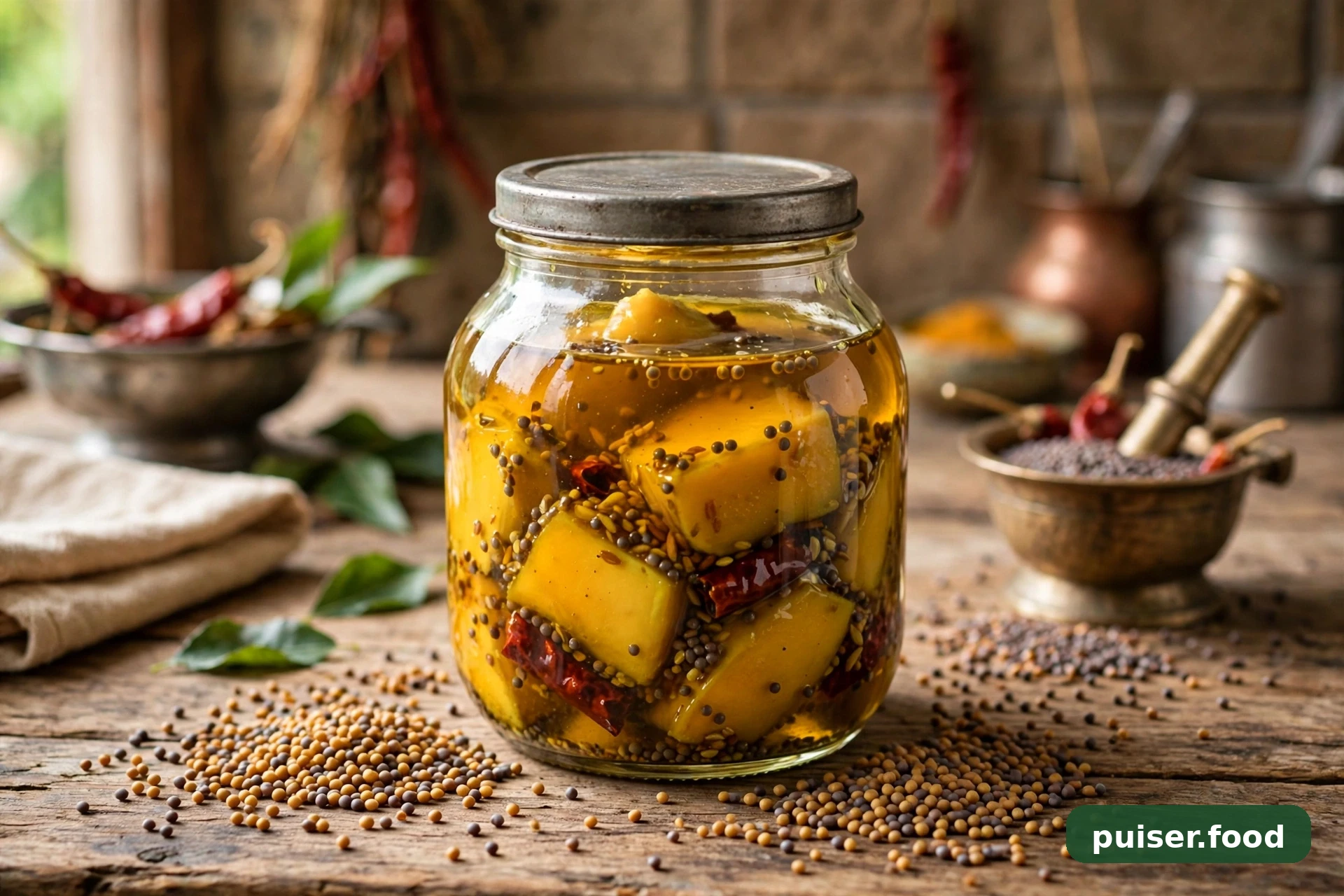
Mustard oil has a history of adulteration in India, most notoriously with argemone oil, which is toxic. FSSAI prohibits blending mustard oil with any other edible oil in products labelled as pure kachi ghani, so check the pack for the FSSAI licence number, printed as “Lic No.” followed by 14 digits, and for the words “kachi ghani” or “cold pressed”. Buy from a trusted brand or a known local mill, and prefer a dark bottle or tin, because light degrades oil fast. Our cold pressed mustard oil is the form most kitchens reach for first. Avoid loose, unlabelled oil from an unknown source.
How to store kachi ghani mustard oil
Store it in a cool, dark place in a tightly closed bottle, away from the stove. Heat, light and air turn it rancid, so use it within a few months of opening. A dark bottle or tin helps, and a cool cupboard is better than the shelf above the stove. If the oil smells off or tastes bitter, throw it away.
5 expert tips for using mustard oil
Smoke it, then cool it. Heat the oil till it just smokes, take it off the flame, and let it cool slightly before adding spices. This one step tames the pungency.
Use less than you think. Mustard oil is strongly flavoured, so a spoon or two is enough for a tadka. Pouring freely drowns the dish and wastes money.
Keep it for the dishes it suits. Mustard oil shines in tadka, fish curries, pickles, sarso ka saag and Bihari cooking. It is less suited to white cakes and clear drinks, where a neutral oil works better.
Buy small bottles. Cold pressed oil goes rancid faster than refined oil, so buy a 1 litre bottle and use it within a few months.
Warm it for massage, never microwave it. For a massage, warm the oil gently in a bowl of hot water. Microwaving creates hot spots and can destroy the compounds you want.
Common mistakes to avoid
Most of the kachi ghani mustard oil benefits are lost through small, avoidable mistakes.
Using it raw without smoking it. Raw mustard oil is harsh and can overpower a dish. Smoke it and cool it slightly first, every time.
Overheating it past its smoke point. Smoking the oil once mellows it, but letting it burn breaks it down and tastes bitter.
Buying the cheapest bottle. Very cheap mustard oil is the classic sign of adulteration. A reputed brand with an FSSAI licence number costs more for a reason.
Storing it next to the stove. Heat and light spoil the oil. Keep the bottle in a cool, dark cupboard instead.
Using it for everything. Mustard oil is a strong flavour, not a neutral one. Use it where it fits.
Ignoring a mustard allergy check. Mustard is a recognised allergen for some people. If you cook for guests, ask about mustard allergy first.
Frequently asked questions
Is kachi ghani mustard oil good for daily cooking?
Yes, it is good for daily cooking when used in normal amounts. It is rich in monounsaturated fats and omega-3, and its high smoke point suits tadka, sauteing and frying. Use one to two tablespoons a day, and rotate it with other oils.
What is the smoke point of kachi ghani mustard oil?
Brand guides commonly cite about 250 degrees C, though at least one comparison puts kachi ghani closer to 200 degrees C, so the exact number varies. Either way, it handles high-heat Indian cooking well, far better than most cold pressed oils.
Is kachi ghani mustard oil good for the heart?
It may help heart health as part of a balanced diet. Its fats are mostly unsaturated, with a good omega-3 to omega-6 balance. A 2004 study in the American Journal of Clinical Nutrition found lower rates of ischaemic heart disease among mustard oil users, but it was observational, so it shows an association, not proof.
What is the difference between kachi ghani and refined mustard oil?
Kachi ghani is cold pressed below 40 to 50 degrees C with no heat, solvent or refining, so it keeps its pungency, AITC, antioxidants and flavour. Refined oil is extracted with high heat and solvents, then bleached and deodorised, so it is neutral and pale, with much of its nutrition lost.
How can I identify pure kachi ghani mustard oil?
Look for dark golden colour, a little cloudiness and a sharp smell that stings the nose slightly. Check the label for “kachi ghani” or “cold pressed” and the 14-digit FSSAI licence number. Avoid oil that smells flat, and avoid suspiciously cheap bottles.
Is mustard oil good for hair growth?
Warm mustard oil massage is a traditional practice for hair and scalp, and its fatty acids coat the hair shaft and reduce dryness. There is no strong trial proving it grows hair, so use it as a conditioning massage, not a treatment. Patch test first.
Can I use kachi ghani mustard oil for deep frying?
Yes, it suits deep frying better than most cold pressed oils because of its high smoke point. Heat it till it just smokes, cool it slightly, then fry. Do not reuse frying oil many times, and do not let the oil burn.
Is mustard oil safe for everyone?
Most people can use it safely in normal amounts, but mustard is a recognised allergen for some, so ask guests about allergies before cooking with it. People with a mustard allergy should avoid it entirely. In the United States it is sold for external use only, because of its erucic acid content.
How do I store kachi ghani mustard oil?
Keep it in a cool, dark place in a tightly closed bottle, away from the stove and sunlight. Heat, light and air turn it rancid. Use it within a few months of opening and buy small bottles. A dark bottle or tin helps it keep its pungency longer.
Does mustard oil help digestion?
In Ayurveda, mustard oil is considered warming and is said to stimulate appetite and bile flow. Modern clinical evidence for this is thin, so treat it as a traditional use, not a proven treatment, and see a doctor for ongoing stomach problems.
Conclusion
Kachi ghani mustard oil benefits are real but modest: heart-friendly fats, a good omega-3 balance, a high smoke point and a flavour no other oil copies. Smoke it, cool it slightly, buy the real thing from a trusted source, and use it where it shines. Try it this week, and explore more guides on Puiser.food.


