

Organic turmeric vs regular turmeric is a question that comes up every time the price gap shows on a shelf. Organic costs more, sometimes a lot more, and the packs look almost identical. This guide gives the honest answer: where organic actually differs, where it does not, what the science says about curcumin, and how to spot adulterated powder before you buy it.
In this article
- What organic actually means for turmeric
- Organic turmeric vs regular turmeric: the curcumin question
- Purity: where organic really wins
- What you pay and why
- How to buy good turmeric
- When organic is worth it, and when it is not
- Using turmeric in cooking
- Storing turmeric powder
- Mistakes to avoid
- Expert tips
- FAQs
- Conclusion
What organic actually means for turmeric
Organic turmeric is grown without synthetic pesticides, synthetic fertilisers or irradiation, on soil that has been free of those inputs for at least three years under USDA rules. In India, look for the India Organic or Jaivik Bharat logo, which means a third-party certifier has audited the farm and the supply chain. Regular turmeric has no such restriction. It can be grown with synthetic inputs, and the powder can pass through more hands before it reaches a packet.
Certification is about how the crop was grown and handled, not about a different plant. Both organic and regular turmeric are the same species, Curcuma longa, dried and ground from the same kind of rhizome. That single fact explains most of the confusion about this spice. Organic changes the farming and the testing, and it does not change the plant itself. If you want the full picture of how turmeric is used in the kitchen, our turmeric milk recipe shows the classic daily use, and our guide to how to store whole spices covers keeping it fresh.
Organic turmeric vs regular turmeric: the curcumin question
The honest answer is that organic turmeric vs regular turmeric makes almost no difference to curcumin levels. Pure turmeric powder, organic or not, averages about 3.14 percent curcumin by weight according to published research, and most samples fall in a range of 2 to 6 percent. The Bureau of Indian Standards requires at least 3 percent curcumin in turmeric powder, and that bar applies whether the pack says organic or not.
Only specific varieties break out of that range. Lakadong turmeric from Meghalaya is the famous example, with curcumin reported at 7 to 12 percent, and it commands a high price for that reason. A 2025 comparative study in the International Journal of Research and Analytical Reviews tested organic turmeric against market samples and found the organic samples cleaner and higher in curcumin, but the market samples were adulterated, so the gap came from adulteration rather than from organic farming itself. The typical composition of Indian turmeric in that study was moisture 3.1 percent, protein 6.3 percent, fat 5.1 percent, minerals 3.5 percent, fibre 2.6 percent and carbohydrates 69.4 percent.
| Turmeric type | Typical curcumin | What sets it apart |
|---|---|---|
| Regular turmeric powder | 2 to 6 percent, average about 3.1 percent | Cheapest, quality varies by brand |
| Organic turmeric powder | 2 to 6 percent, average about 3.1 percent | Certified farming, tested for residues |
| Lakadong turmeric | 7 to 12 percent | High-curcumin variety from Meghalaya |
| BIS minimum standard | At least 3 percent | Applies to all turmeric powder sold in India |
Curcumin also needs help to be absorbed. The compound on its own is poorly absorbed by the body, and the best-known way to improve that is piperine, the active compound in black pepper, which is why traditional Indian cooking pairs turmeric with black pepper so often. A pinch of black pepper and a little fat in the dish do more for curcumin absorption than switching from regular to organic ever will.
Purity: where organic really wins
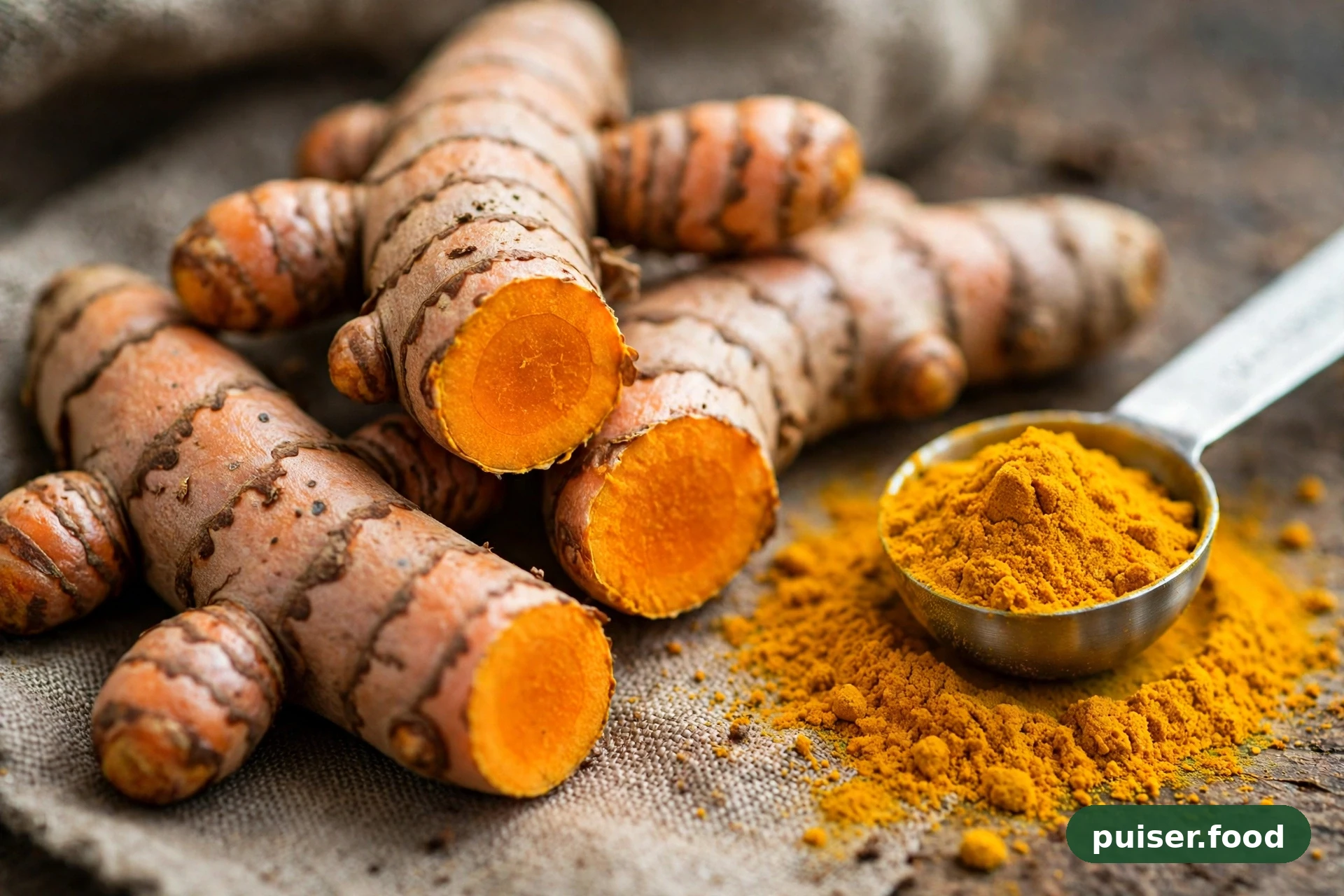
Where organic turmeric vs regular turmeric really differs is purity. Turmeric powder is one of the most adulterated spices in India. The common adulterants are metanil yellow, a synthetic dye linked to liver damage, and lead chromate, a lead compound added to make dull powder look bright yellow. Stanford researchers found lead in 28 percent of Bangladeshi turmeric samples tested, and the problem is not limited to one country. Organic certification blocks synthetic dyes by requiring soil tests, third-party audits and residue testing, which is a real protection.
Adulteration is also why loose, unbranded turmeric from an open sack is the riskiest buy. A bright neon yellow colour, a chalky feel, or a price far below every branded pack are all warning signs. Certified organic packs are tested, but so are reputable branded regular packs. The risk sits with unbranded powder, not with regular turmeric as a category. That distinction matters, because it means the safety question is about the seller and the testing, not only about the word organic on the label.
| Check | Organic certified | Regular branded | Loose unbranded |
|---|---|---|---|
| Synthetic pesticides | Not allowed | Allowed within limits | Unknown |
| Metanil yellow dye | Blocked by audits | Illegal, but testing varies | Common risk |
| Lead chromate | Blocked by testing | Illegal, but testing varies | Known risk |
| Third-party audit | Yes, required | Not required | None |
| Curcumin level | Same range, 2 to 6 percent | Same range, 2 to 6 percent | Often below 3 percent |
What you pay and why
The price gap between organic turmeric vs regular turmeric is usually 30 to 50 percent at retail, and the gap has honest reasons behind it. Organic farms yield less per acre without synthetic fertilisers, certification and lab testing cost money, and organic lots must be kept separate from conventional lots through transport and packing, which adds handling cost. None of that is marketing. It is the cost of the process.
Even so, turmeric is cheap per use. A family that cooks with a teaspoon a day uses roughly 100 grams a month, so the difference between a regular pack and an organic pack is usually a few dozen rupees a month. The premium matters more to the budget than to the health argument. If money is tight, a reputable branded regular turmeric is a sensible choice, and our guide to eating organic on a budget shows where to spend the premium and where to save it.
| Where the extra money goes | Why it costs more |
|---|---|
| Certification and audits | Third-party inspectors visit farms and check records every year |
| Lab testing | Residue, heavy metal and dye testing on batches |
| Lower yields | No synthetic fertilisers means smaller harvests per acre |
| Segregated handling | Organic lots kept separate from conventional lots at every step |
| Smaller scale | Fewer farms, smaller lots, less bulk discount |
How to buy good turmeric
When you compare organic turmeric vs regular turmeric on a shelf, the labels tell you more than the colour does. Start with certification. Look for the India Organic or Jaivik Bharat logo on Indian packs, and check the FSSAI licence number printed on the back. A pack that claims organic without a certification logo is only a claim, and claims are free.
Colour is the next check. Good turmeric is a deep golden yellow, not a bright neon yellow, which can signal added dye. Rub a pinch between your fingers. It should feel smooth and slightly oily, not chalky. Smell it. Fresh turmeric smells earthy and warm with a faint peppery note. A pack that smells of nothing is old, and a chemical smell is a reason to return it. If a brand publishes lab reports or states a curcumin percentage on the pack, that is a good sign. Our own organic turmeric powder is certified organic and lists its sourcing plainly.
| What to check | Good sign | Red flag |
|---|---|---|
| Certification logo | India Organic or Jaivik Bharat | Word organic with no logo |
| FSSAI licence | Number printed on pack | Missing or smudged |
| Colour | Deep golden yellow | Neon yellow or dull brown |
| Texture | Smooth, slightly oily | Chalky or gritty |
| Smell | Earthy, warm, faintly peppery | No smell or chemical smell |
| Curcumin stated | Percentage on pack, at least 3 percent | No information at all |

When organic is worth it, and when it is not
Organic is worth it when you cook with turmeric daily, especially if children eat the same food. Daily use means daily exposure, and that is where avoiding lead chromate, metanil yellow and pesticide residues matters most. It is also worth it if you buy in bulk or use turmeric in milk, kadha or other daily health drinks, because the same powder goes into your body every day.
Organic is not worth it if you are buying it for curcumin potency. The powder has the same 2 to 6 percent curcumin as regular turmeric, so you would need about fifteen teaspoons a day to match a single 500 mg curcumin supplement, which is not a realistic way to cook. For joint pain or a therapeutic dose, a lab-tested curcumin supplement with piperine is the honest route, and turmeric in food is a bonus, not the treatment. For occasional cooking, a reputable branded regular turmeric with BIS certification is enough.
Using turmeric in cooking
Turmeric works best when it is bloomed in hot fat at the start of cooking. A teaspoon in hot ghee or oil for thirty seconds releases its colour and flavour into the whole dish, which is why tadka starts with turmeric. Adding it late to a finished dish gives a raw, chalky taste. Black pepper belongs in the same step, because piperine improves curcumin absorption, and a little fat helps the body absorb the fat-soluble compounds.
Use about a quarter to half a teaspoon per dish for a family of four, and a full teaspoon only for dishes built around turmeric, like haldi doodh or a turmeric-heavy sabzi. More is not better. Too much turmeric turns food bitter and stains everything it touches, including hands, cloth and plastic containers. Wash hands and utensils quickly after handling it.

Storing turmeric powder
Turmeric powder keeps its colour and flavour for about a year if it is stored in an airtight jar in a cool dark cupboard, away from light and steam. Light is its biggest enemy, because it bleaches the yellow pigment and fades the flavour. Keep the jar away from the stove and never sprinkle from the jar over a steaming pot. Buy small packs if you use turmeric slowly, because an open pack loses strength month by month. Whole dried turmeric root lasts longer than powder, but it is harder to find and needs grinding.
Check the packing date when you buy, because a pack that has sat in a shop for a year is already old. Small packs suit most families better than a kilo bag, because the powder loses strength month by month once opened. If you buy in bulk, divide the pack into small airtight jars and open one at a time, so the rest stays sealed. Keep the jar in a cupboard that stays cool through summer, and never above the stove, where steam and heat fade the colour in weeks.

Mistakes to avoid
The biggest mistake when choosing organic turmeric vs regular turmeric is paying extra for a pack with no certification at all. The word organic on a label is a claim, and a claim without a logo is worth nothing. The second mistake is buying loose powder from an open sack, which is where adulteration is most common. The third is expecting turmeric to treat a health condition on its own, when food amounts of curcumin are far below supplement doses.
Other mistakes are practical. Storing turmeric in a clear jar in sunlight fades it in weeks. Using far too much makes food bitter. Adding it at the end of cooking instead of blooming it in fat wastes its flavour. And keeping the same open pack for two years means cooking with powder that has lost most of its strength, organic or not.
Expert tips
Bloom turmeric in hot ghee or oil for thirty seconds before adding other ingredients, and add a pinch of black pepper in the same step. Buy certified packs from brands that publish lab reports, and check the FSSAI number on the back. Keep turmeric in a small airtight jar in a dark cupboard, and buy small packs so the powder stays fresh. Pair turmeric with a little fat in every dish, because its key compounds are fat soluble. If you drink haldi doodh daily, use the same certified powder you cook with, and keep the dose to a teaspoon or less. And when a deal looks too good, check the label twice, because genuine organic turmeric cannot be sold at the price of loose powder. Start with a reputable brand and stay with it once you find a powder that smells fresh and colours food well, because switching brands every month makes it hard to judge quality. If you drink haldi doodh, make it with the same certified powder you cook with, and keep the dose to a teaspoon or less in warm milk with a pinch of black pepper. The milk fat helps the body absorb the compounds, and the pepper helps too.
FAQs
Is organic turmeric better than regular turmeric?
Organic turmeric is better for purity, not for potency. Both average about 3 percent curcumin, so the health difference in cooking amounts is small. Organic wins by avoiding synthetic pesticides, lead chromate and metanil yellow dye through certification and testing. For daily cooking, that purity is worth the premium.
Does organic turmeric vs regular turmeric taste different?
There is little taste difference between fresh organic and fresh regular turmeric. Both are earthy, warm and slightly bitter. What you taste is freshness, not farming method. A fresh regular powder tastes far better than a stale organic one, so buy small packs and store them well.
How much curcumin is in turmeric powder?
Pure turmeric powder averages about 3.14 percent curcumin by weight, and most samples fall between 2 and 6 percent. The Bureau of Indian Standards requires at least 3 percent. Only special varieties like Lakadong reach 7 to 12 percent, and they cost much more than ordinary powder.
Is organic turmeric worth the extra money?
For daily cooking, the choice between organic turmeric vs regular turmeric comes down to purity, not potency. Organic costs 30 to 50 percent more, but a family using a teaspoon a day spends only a few dozen rupees extra a month. For occasional use, a reputable branded regular turmeric is fine.
Can turmeric powder be adulterated?
Yes, turmeric is one of the most adulterated spices in India. Common adulterants are metanil yellow dye and lead chromate, both added to make dull powder look bright yellow. Stanford researchers found lead in 28 percent of Bangladeshi turmeric samples tested. Buy certified or reputable branded packs, never loose powder.
How do I test turmeric at home?
Put a teaspoon in a glass of water. Pure turmeric settles slowly and leaves the water mostly clear, while chalk or starch makes it cloudy. Rub a pinch between your fingers for a smooth, slightly oily feel. A chemical smell or a neon yellow colour are reasons to return the pack.
How much turmeric should I eat per day?
A teaspoon a day in cooking is a normal culinary amount and is considered safe for most adults. Do not exceed 8 grams a day, as larger amounts can cause nausea. Avoid high doses if you take blood thinners, are pregnant beyond normal cooking amounts, or have gallbladder problems. Ask a doctor first.
Does black pepper really help turmeric work better?
Yes. Piperine, the active compound in black pepper, is the best-known way to improve curcumin absorption, and traditional Indian cooking has paired the two for centuries. A pinch of black pepper bloomed in fat with the turmeric is enough. You do not need a supplement to get this benefit.
How long does turmeric powder last?
Turmeric powder keeps for about a year in an airtight jar in a cool dark cupboard. Light and steam are its biggest enemies, so keep it away from the stove and out of sunlight. Buy small packs if you use it slowly, and throw out powder that has lost its colour and smell.
Is Lakadong turmeric worth buying?
Lakadong turmeric from Meghalaya has 7 to 12 percent curcumin, far above the usual 2 to 6 percent, so it is genuinely different. It costs much more than ordinary turmeric. It is worth buying if you use turmeric daily and want the highest curcumin content from food, but it is still not a substitute for medical treatment.
Conclusion
So is organic turmeric vs regular turmeric worth the extra money? For daily cooking, yes, because you are paying for purity and testing, not for more curcumin. The powder has the same curcumin either way, but the organic pack is far less likely to carry lead chromate, metanil yellow or pesticide residues. Buy certified, store it dark and airtight, bloom it in fat with black pepper, and use a teaspoon a day. If you cook with turmeric daily, try our turmeric milk recipe and our masala chai recipe, and read our spice storage guide to keep the rest of your masala dabba fresh too.


