

Introduction
Bajra benefits start with a simple fact: this is the most iron rich grain in an Indian kitchen. Bajra, or pearl millet, has fed Rajasthan, Gujarat and Maharashtra through dry winters for centuries, and it is the grain people reach for when the weather turns cold. It is high in fibre, naturally gluten free, and it keeps you full for hours on a small portion. This guide covers the bajra benefits that matter most, the nutrition, the blood sugar question, how to cook it without the roti cracking, and the five dishes where bajra works best.
In this article
- The short answer
- What bajra actually is
- Bajra benefits in numbers
- 10 bajra benefits worth knowing
- Blood sugar: what the numbers do and do not prove
- Weight and fullness
- How to cook bajra
- Five everyday bajra dishes
- Why bajra is a winter grain
- Who should be careful
- Buying and storing bajra
- 5 expert tips
- Common mistakes to avoid
- Frequently asked questions
- Conclusion
The Short Answer
Bajra is worth adding to your kitchen if you want more iron and fibre from a grain you already know how to cook. Per 100 g of raw grain it carries about 8 mg of iron, the highest of any common cereal, with 11.6 g of protein and 11.5 g of fibre. It is naturally gluten free, it suits winter cooking because it is a warming grain, and it works as roti, khichdi, porridge and thepla. The honest limit is the roti: bajra flour has no gluten, so the dough needs hot water and a patient hand, and the first few rotis will not be pretty. The grain itself is forgiving, and that is where bajra benefits show up first, in the everyday meal rather than in a health claim.
What Bajra Actually Is
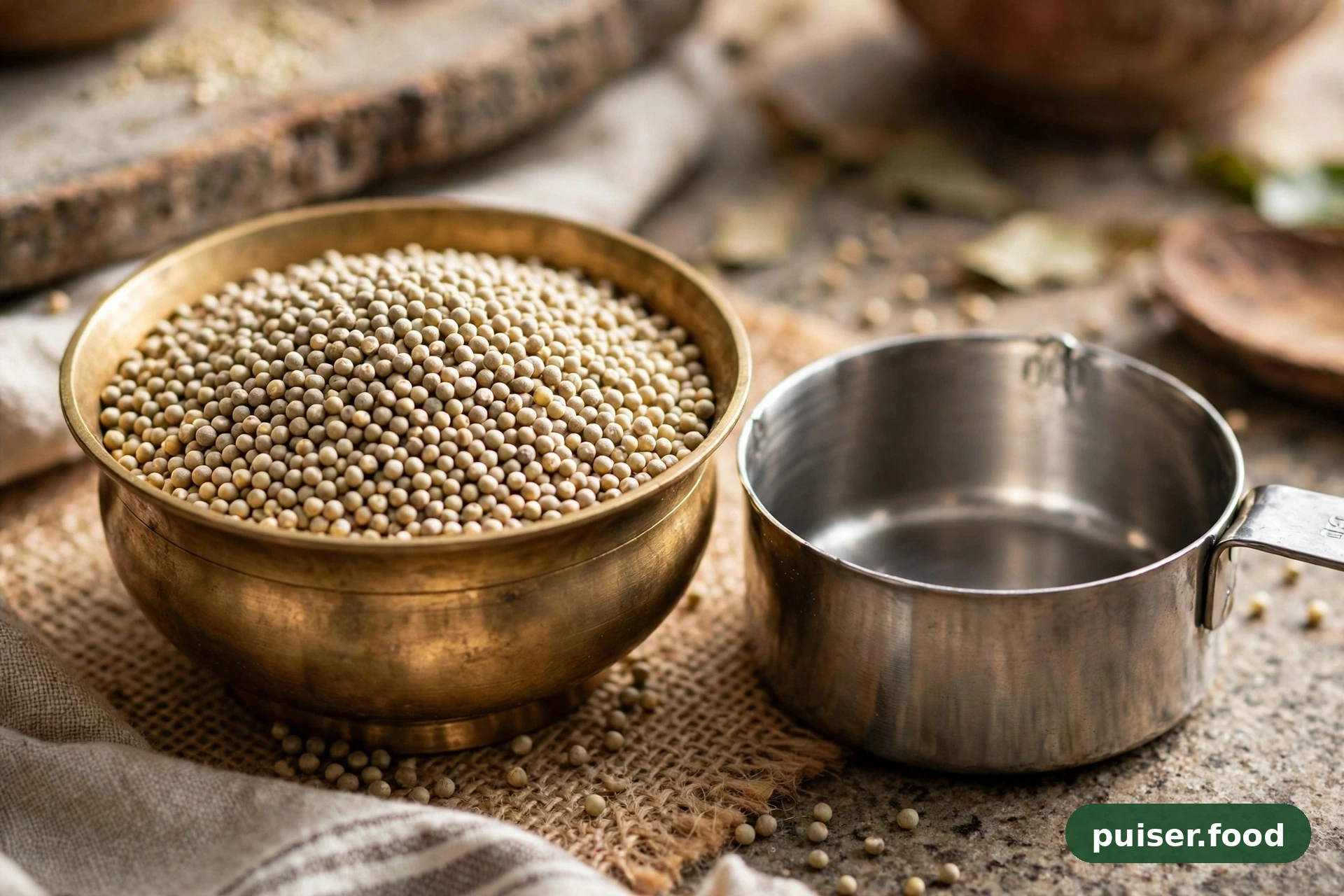
Bajra is pearl millet, the small grey brown grain from the grass Pennisetum glaucum, grown in India for thousands of years. The name changes by language: bajra in Hindi and Punjabi, kambu in Tamil, sajje in Kannada and sajjalu in Telugu. India is the largest producer of pearl millet in the world, with Rajasthan, Gujarat, Maharashtra and Uttar Pradesh growing most of it. It grows on dry land with very little water, which is why it became the staple of arid regions where rice and wheat struggle.
The grain is small, round and hard, with a grey brown husk and a mild, nutty taste. Most shops sell it as whole grain or as flour, and both have their place. Whole bajra cooks like other whole grains, soft and chewy, while the flour makes rotis and thepla. It has a stronger flavour than rice, earthy and slightly sweet, and it pairs well with ghee, jaggery, garlic and green chillies, which is why Rajasthani cooking uses it so much.
Bajra is naturally gluten free, so it suits people who avoid gluten. One caution belongs here: millets are often milled in shared facilities, so if you cook for someone with coeliac disease, buy a pack that says gluten free on the label and check the mill. For everyone else, the grain is simply another cereal, closer to wheat than to rice in how filling it is. It is a grain that earns its place for taste and tradition first, and the bajra benefits follow from the iron and fibre in every bowl.
Bajra Benefits in Numbers
The table below compares bajra with milled white rice and whole wheat, per 100 g of raw grain, using the Indian Food Composition Tables 2017 from the National Institute of Nutrition. The gap that matters most is iron. Bajra carries about 8 mg of iron per 100 g raw, against 0.7 mg in milled white rice and 5.1 mg in whole wheat. That is the highest iron figure of any common cereal grain. Fibre is the second gap: 11.5 g against 0.2 g in white rice. Protein is close to wheat at 11.6 g, and magnesium is high at 137 mg. Those four numbers, iron, fibre, protein and magnesium, are the foundation of the bajra benefits in this guide.
| Nutrient (per 100 g raw) | Bajra (pearl millet) | White rice (milled) | Whole wheat |
|---|---|---|---|
| Energy | 361 kcal | 345 kcal | 340 kcal |
| Protein | 11.6 g | 6.8 g | 11.8 g |
| Fibre | 11.5 g | 0.2 g | 11.2 g |
| Iron | 8.0 mg | 0.7 mg | 5.1 mg |
| Calcium | 42 mg | 7.5 mg | 31 mg |
| Magnesium | 137 mg | 21 mg | 128 mg |
| Phosphorus | 296 mg | 103 mg | 298 mg |
| Zinc | 3.1 mg | 1.1 mg | 2.7 mg |
Figures per the Indian Food Composition Tables 2017, ICMR National Institute of Nutrition, Hyderabad.
10 Bajra Benefits Worth Knowing
The ten bajra benefits below are the ones with real nutrition behind them. None of them needs a miracle claim. They follow from the iron, fibre, magnesium and protein in the table above, and from how the grain is actually eaten in Indian homes.
1. Iron, the highest of any grain
Bajra carries about 8 mg of iron per 100 g of raw grain, more than any other common cereal. That is roughly 44 percent of an adult woman’s daily iron need in a single 100 g portion. India has high rates of iron deficiency anaemia, and a grain that already sits in the kitchen is a practical way to add iron to the diet. Plant iron absorbs less well than iron from meat, so pair bajra with a vitamin C food like lemon, amla or tomato, which improves absorption. Our amla benefits guide explains why that pairing works.
2. Steady blood sugar
Bajra has a glycaemic index of about 54, lower than white rice at about 72 and white bread at about 75. The fibre slows digestion, so glucose enters the blood gradually instead of spiking after a meal. That makes it a sensible swap for people watching blood sugar. It does not treat diabetes, and anyone managing diabetes should fit it into their carbohydrate plan and check the effect with their own monitoring. The blood sugar section below covers this in more detail.
3. Keeps you full for hours
With 11.5 g of fibre and 11.6 g of protein per 100 g, bajra is one of the most filling grains you can eat. Fibre adds bulk and slows stomach emptying, while protein adds satiety, so a small portion of bajra roti or khichdi keeps hunger away until the next meal. That is useful for weight management, not because bajra burns fat, but because a full stomach snacks less. Bajra carries about the same calories as rice, 361 kcal per 100 g raw, so the swap alone does not cut calories.
4. Heart health
Bajra supports heart health through magnesium, potassium and fibre. Magnesium helps regulate blood pressure and heart rhythm, and bajra provides 137 mg per 100 g. The soluble fibre binds bile acids in the gut, which helps the body use cholesterol to make more bile, and that can lower LDL cholesterol over time. Whole grains in general are linked with lower heart disease risk in large population studies, and bajra is a whole grain in the truest sense, with the bran intact.
5. Gut health and digestion
The fibre in bajra is mostly insoluble, which adds bulk to the stool and keeps bowel movements regular. That is the simplest of the bajra benefits for the gut, and it is the one most people notice first. A sudden jump in fibre can cause bloating, so start with two or three bajra meals a week and increase slowly, and drink enough water with the meal. Soaking the grain well also helps, because soaking reduces phytates and makes the grain easier to digest.
6. Bone support
Bajra provides phosphorus at 296 mg per 100 g, calcium at 42 mg and magnesium at 137 mg, the three minerals that work together for bone mineralisation. Phosphorus is the standout, nearly three times the phosphorus in white rice. Bajra will not replace dairy or leafy greens for calcium, but as a daily grain it adds a useful share of the minerals bones need, especially in winter when the grain is eaten most.
7. Naturally gluten free
Bajra contains no gluten, which makes it suitable for people with coeliac disease and non coeliac gluten sensitivity. It is also one of the few gluten free grains that improves on refined wheat nutritionally rather than falling behind it, with more iron and fibre than wheat flour. The practical point is the dough: without gluten, bajra flour needs hot water, patient kneading and a gentle hand, and the rotis are patted rather than rolled. Expect the first attempts to be poor, and keep at it.
8. Winter warmth
Bajra is a warming grain, and Indian tradition has always eaten it in winter. Ayurveda classifies it as heating, ushna virya, and modern nutrition gives the same story in different words: the complex carbohydrates, protein and fibre increase the body’s metabolic heat production as they digest. A bajra roti with ghee and jaggery, or a hot bowl of bajra khichdi, is warming food in the plainest sense, and it is why the grain is a winter staple across Rajasthan and Gujarat.
9. Energy that lasts
Bajra is a slow energy grain. Its complex carbohydrates break down gradually, so energy releases steadily over hours instead of peaking and crashing the way refined grains do. Magnesium supports energy metabolism, and the B vitamins in the grain help convert food into usable energy. That is why bajra has been a farmer’s grain for centuries: a roti at breakfast carries a person through a morning of hard work.
10. Skin and immunity
Bajra provides zinc at 3.1 mg per 100 g, iron at 8 mg and polyphenols from the bran, all of which support immune function. Zinc is needed for immune cell function and for skin repair, and iron carries oxygen to tissues, which is why low iron shows up as tiredness and pale skin. The bran also carries phenolic compounds with antioxidant activity, which help protect cells from everyday damage. These are supportive effects, not treatments, and they work as part of a varied diet.
Blood Sugar: What the Numbers Do and Do Not Prove
Bajra has a glycaemic index of about 54, which puts it in the low GI category. White rice sits at about 72, white bread at about 75, and whole wheat at about 70. The gap comes from fibre: 11.5 g per 100 g slows digestion and glucose absorption, so the rise in blood sugar after a bajra meal is gentler than after a white rice meal. Studies that swapped bajra for refined grains found lower post meal glucose, which is consistent with the GI figure.
The honest limit is that GI figures vary by study, cooking method and portion, so 54 is a guide rather than a promise. A large plate of bajra khichdi with extra ghee still carries plenty of carbohydrate, and the meal around the grain matters as much as the grain itself. Pair bajra with dal, vegetables and curd, keep the portion to one or two rotis or one bowl, and check your own blood sugar response if you manage diabetes. That steady response is one of the most practical bajra benefits, and the grain is a sensible choice for blood sugar, not a treatment for it.
Weight and Fullness
Bajra can support weight management because its fibre and protein keep you full for longer, so a smaller portion feels like enough. A bajra roti with dal and sabzi is a complete meal that holds hunger for three to four hours, where the same calories as white rice and dal would leave you hungry sooner. That is the mechanism behind the bajra benefits for weight, and it is the only honest weight claim for any grain.
What bajra does not do is burn fat or cause weight loss on its own. It carries about the same calories as rice, 361 kcal per 100 g raw, and a bajra meal with too much ghee is still a heavy meal. Portion size and the rest of the diet matter more than the grain. If you eat bajra to manage weight, keep the portion to one or two rotis, load the plate with vegetables, and go easy on the ghee.
How to Cook Bajra
Cooking is where bajra succeeds or fails, so get the basics right. Whole bajra needs a long soak, six to eight hours or overnight, because the grain is hard and the soak reduces phytates, which improves mineral absorption. Rinse well, then cook with three cups of water per cup of grain, simmer for 30 to 40 minutes until soft, then rest for five minutes. A pressure cooker takes four to five whistles. The cooked grain is chewy and nutty, and it works in khichdi, porridge and upma.
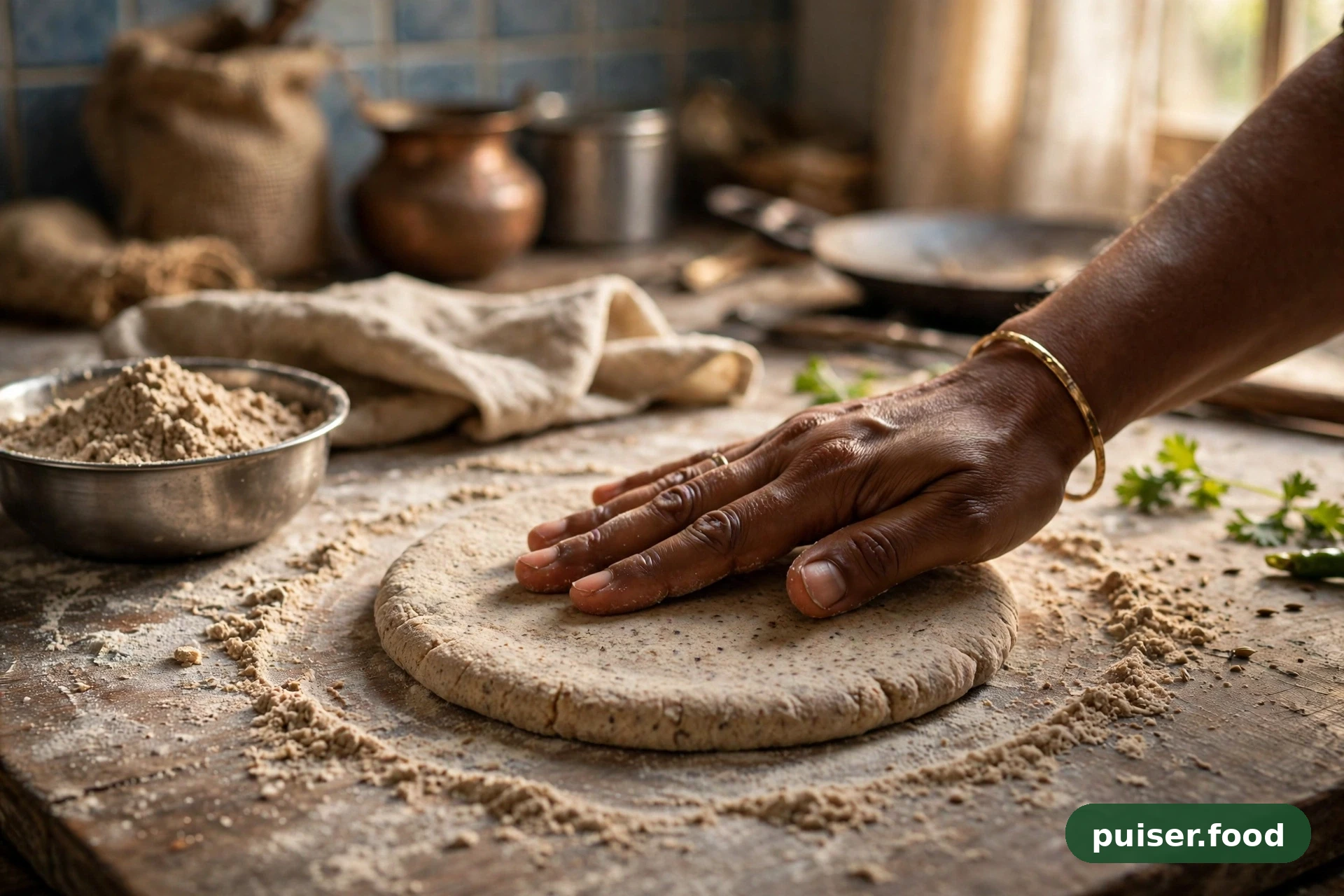
Bajra flour is a different skill. The dough needs hot water, patient kneading and a gentle hand, because there is no gluten to hold it together. Mix the flour with hot water a little at a time, knead while it is warm, rest it for ten minutes, then pat the roti by hand on a floured surface rather than rolling it. Cook on a hot tawa, flip once, and press the edges with a cloth so it puffs. Finish with a smear of ghee. Our millets for daily diet guide covers the same technique for other millet flours.
| Form | Soak | Water per cup | Cook time | Best for |
|---|---|---|---|---|
| Whole grain | 6 to 8 hours | 3 cups | 30 to 40 minutes | Khichdi, porridge, upma |
| Whole grain, pressure cooker | 6 to 8 hours | 2.5 cups | 4 to 5 whistles | Khichdi, pulao |
| Flour, roti | None, use hot water | As dough needs | 2 to 3 minutes per roti | Roti, thepla |
| Flour, porridge | None | 4 cups liquid | 10 to 12 minutes | Rabdi, porridge |
| Cracked bajra (dalia) | 30 minutes | 3 cups | 20 to 25 minutes | Porridge, khichdi |
Five Everyday Bajra Dishes
The easiest way to eat bajra is to start with the dishes that forgive a beginner. Roti comes last, not first, because the dough is the hardest part. Khichdi, porridge and thepla are the friendly entry points, and they are the dishes Rajasthani and Gujarati kitchens have used for generations.
| Dish | Form to use | Meal | Why it works |
|---|---|---|---|
| Bajra roti | Flour, hot water dough | Lunch or dinner | Classic winter meal, best with ghee and jaggery |
| Bajra khichdi | Whole grain, soaked | Lunch or dinner | One pot, dal softens the grain, very forgiving |
| Bajra porridge, rabdi | Flour or cracked grain | Breakfast | Ten minutes, gentle, good for children and older adults |
| Bajra thepla | Flour with methi and spices | Breakfast or travel | Keeps well, packs easily, spiced and filling |
| Bajra upma | Cracked grain | Breakfast | Tastes close to rava upma, far more fibre |
1. Bajra roti with ghee and jaggery
The classic winter meal is a hot bajra roti with a smear of ghee and a piece of jaggery, served with garlic chutney or a simple sabzi. Make the dough with hot water, pat the roti by hand, and cook it on a tawa until brown spots appear. Eat it hot, because bajra roti hardens as it cools.
2. Bajra khichdi with moong dal
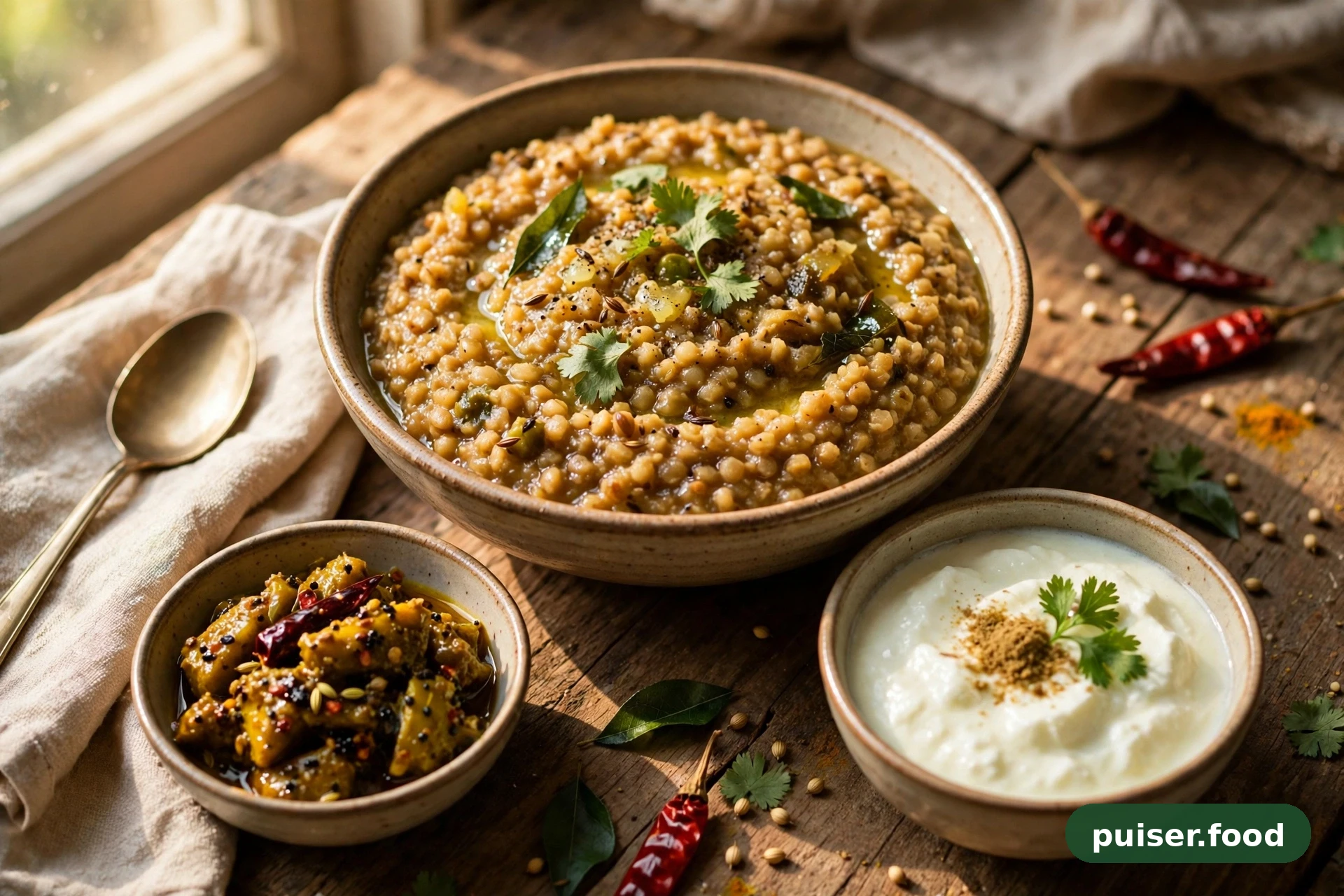
Cook soaked bajra with moong dal, vegetables and mild spices for a one pot khichdi. The dal softens the grain and the spices carry the flavour, so it tastes like a normal meal rather than a health project. Serve with curd and pickle. Our unpolished dal guide explains why whole moong dal is the better choice here.
3. Bajra porridge, or rabdi
Cook bajra flour with water or milk into a warm porridge, and add jaggery, cardamom or a spoon of ghee. It takes ten minutes, it is filling until lunch, and it is the gentlest introduction to bajra for children and older adults.
4. Bajra thepla with methi
Mix bajra flour with chopped methi leaves, ginger, green chilli and spices, knead with hot water and curd, and cook thin theplas on a tawa. They keep well for a day, pack easily for travel, and taste better the next morning with curd or pickle.
5. Bajra upma
Use cracked bajra in place of semolina for upma. Roast the grain lightly, add the usual tadka and vegetables, and cook with three cups of water per cup of grain. It tastes close enough to rava upma that the family will not object, and it carries far more fibre.
Why Bajra Is a Winter Grain
Bajra is a winter grain in the plainest sense: it is the grain India eats when the weather turns cold. The reason is partly tradition and partly digestion. Bajra is thermogenic, which means digesting it generates more body heat than digesting refined grains, because the complex carbohydrates, protein and fibre take more work to break down. Ayurveda calls it heating, ushna virya, and the winter thali built around it, roti with ghee, jaggery and garlic chutney, is designed to keep the body warm from the inside.
Winter is also when bajra is freshest, harvested after the monsoon and milled through the cold months. Buy whole grain in winter and flour in small packs, because flour turns bitter if stored too long. A winter routine of two or three bajra meals a week, roti on one day, khichdi on another, porridge on a cold morning, is enough to get the bajra benefits without turning it into a project.
Who Should Be Careful
Bajra is safe for most people in normal amounts, and the cautions are narrow. The main one is thyroid. Pearl millet contains goitrogenic compounds called C-glycosylflavones, which can interfere with iodine uptake when eaten in very large amounts. People with thyroid conditions should eat moderate amounts, keep iodised salt in the diet, and ask their doctor rather than cutting bajra out entirely. For most people, two or three bajra meals a week is well within a safe range.
The second caution is the fibre jump. A sudden switch from white rice to all bajra meals causes bloating and discomfort, and that is the reason most people quit after one try. Start slowly, soak the grain well, and drink enough water. The third caution is kidney stones: bajra contains oxalates, so people with a history of calcium oxalate stones should eat moderate amounts and drink plenty of water. None of these is a reason to avoid bajra, only a reason to eat it in normal portions.
Buying and Storing Bajra
Buy whole grain, not polished, and buy coarse flour rather than fine when you have the choice. Unpolished bajra keeps its bran, which is where much of the fibre sits. Check for stones and husk before cooking, rinse well, and store in glass jars with the name and date on the label. Whole grain keeps for six to eight months in an airtight jar in a cool dark cupboard. Flour keeps for a few weeks only, so buy it in small packs and use it quickly.
Price is not a barrier. Bajra is usually cheaper than basmati rice and close to the price of ordinary rice, and it is widely available in Indian grocery stores and online. If you want to fit it into a weekly shop without spending more, our budget guide shows how to plan the shop around grains like bajra.

5 Expert Tips
Soak whole bajra for six to eight hours, or overnight, because the soak is what makes the grain soft and easy to digest. Skipping it is the commonest reason people find bajra heavy. Make roti dough with hot water, not cold, and knead while it is warm, because hot water softens the flour and holds the dough together without gluten. Eat bajra roti hot, straight off the tawa, because it hardens as it cools. Pair bajra with a vitamin C food like lemon, amla or tomato, which helps the body absorb the iron. And start with khichdi, porridge and thepla before you attempt roti, because the easy dishes build confidence and the roti comes naturally after a few wins.
Common Mistakes to Avoid
The biggest mistake with bajra is replacing every grain at once. A sudden switch to all bajra meals causes bloating, puts the family off, and ends the experiment in a week. Start with two or three bajra meals a week. The second mistake is skipping the soak, which leaves the grain hard and heavy. The third is making roti dough with cold water, which crumbles because there is no gluten to bind it. Hot water is the fix.
Other mistakes are easy to fix. Buying flour in bulk and keeping it for months lets it turn bitter, so buy small packs. Eating bajra roti cold is a disappointment, because the roti hardens, so serve it hot off the tawa. And expecting bajra to treat anaemia or diabetes on its own is a misunderstanding. It supports a healthy diet, it does not replace medical care.
Frequently Asked Questions
What are the main bajra benefits?
The main bajra benefits are iron, fibre and steady energy. Bajra carries about 8 mg of iron per 100 g, the highest of any common cereal, with 11.5 g of fibre and 11.6 g of protein. It is naturally gluten free, has a low glycaemic index of about 54, and it keeps you full for hours. It is a warming winter grain that suits roti, khichdi and porridge.
Is bajra good for diabetes?
Bajra is a reasonable swap for white rice, because its fibre slows digestion and its glycaemic index of about 54 is lower than white rice at about 72. That means a gentler rise in blood sugar after a meal. It does not treat diabetes, and portion still matters. Anyone managing diabetes should fit it into their carbohydrate plan and check the effect with their own monitoring.
Can I eat bajra every day?
Yes, bajra can be part of a daily diet, and many families in Rajasthan and Gujarat have eaten it daily for generations. A varied diet is best, so rotate bajra with rice, wheat and other millets rather than eating one grain every day. Start with two or three bajra meals a week and increase slowly as your digestion adjusts to the extra fibre.
Is bajra good for weight loss?
Bajra can help indirectly, because the fibre and protein keep you full for longer, so a smaller portion feels like enough. It carries about the same calories as rice, 361 kcal per 100 g raw, so the swap alone does not cut calories. Weight loss still comes from the whole diet and activity, not from one grain. Keep the portion to one or two rotis and load the plate with vegetables.
How do I make bajra roti without it cracking?
Use hot water for the dough, not cold, and knead while it is warm. Rest the dough for ten minutes, then pat the roti by hand on a floured surface instead of rolling it. Cook on a hot tawa, flip once, and press the edges with a cloth so it puffs. Eat it hot with ghee, because bajra roti hardens as it cools.
Is bajra gluten free?
Yes, bajra is naturally gluten free. If you cook for someone with coeliac disease, buy a pack labelled gluten free, because millets are often milled in shared facilities where wheat is also processed. For most people avoiding gluten, ordinary bajra is fine.
Why is bajra called a winter grain?
Bajra is called a winter grain because it is warming: digesting its complex carbohydrates, protein and fibre generates more body heat than digesting refined grains. Ayurveda classifies it as heating, ushna virya. Winter is also when it is freshest, harvested after the monsoon, and the classic winter meal is bajra roti with ghee and jaggery.
Does bajra affect thyroid?
Bajra contains goitrogenic compounds that can interfere with iodine uptake when eaten in very large amounts. People with thyroid conditions should eat moderate amounts, keep iodised salt in the diet, and ask their doctor. For most people, two or three bajra meals a week is well within a safe range.
What is the difference between bajra and jowar?
Bajra and jowar are both gluten free grains, but they differ in nutrition and use. Bajra has more iron, about 8 mg per 100 g against jowar at about 4.1 mg, and it is a warming winter grain. Jowar has more magnesium and a milder, cooler nature in Ayurveda. Bajra roti is the classic of Rajasthan, jowar bhakri the classic of Maharashtra. Both are worth eating.
How do I store bajra?
Keep whole grain in an airtight jar in a cool, dark cupboard, and it lasts six to eight months. Flour keeps for a few weeks only, so buy it in small packs. Check for weevils in hot weather, sun the grain for a day if you find them, and always rinse well before soaking and cooking.
Conclusion
Bajra benefits come down to a better bowl of a familiar meal: the most iron of any grain, far more fibre than white rice, and a warming grain that suits winter cooking. Start with khichdi or porridge, soak the grain, and try roti once the easy dishes feel natural. The swap is small, the meal stays familiar, and the nutrition improves without a lecture.


